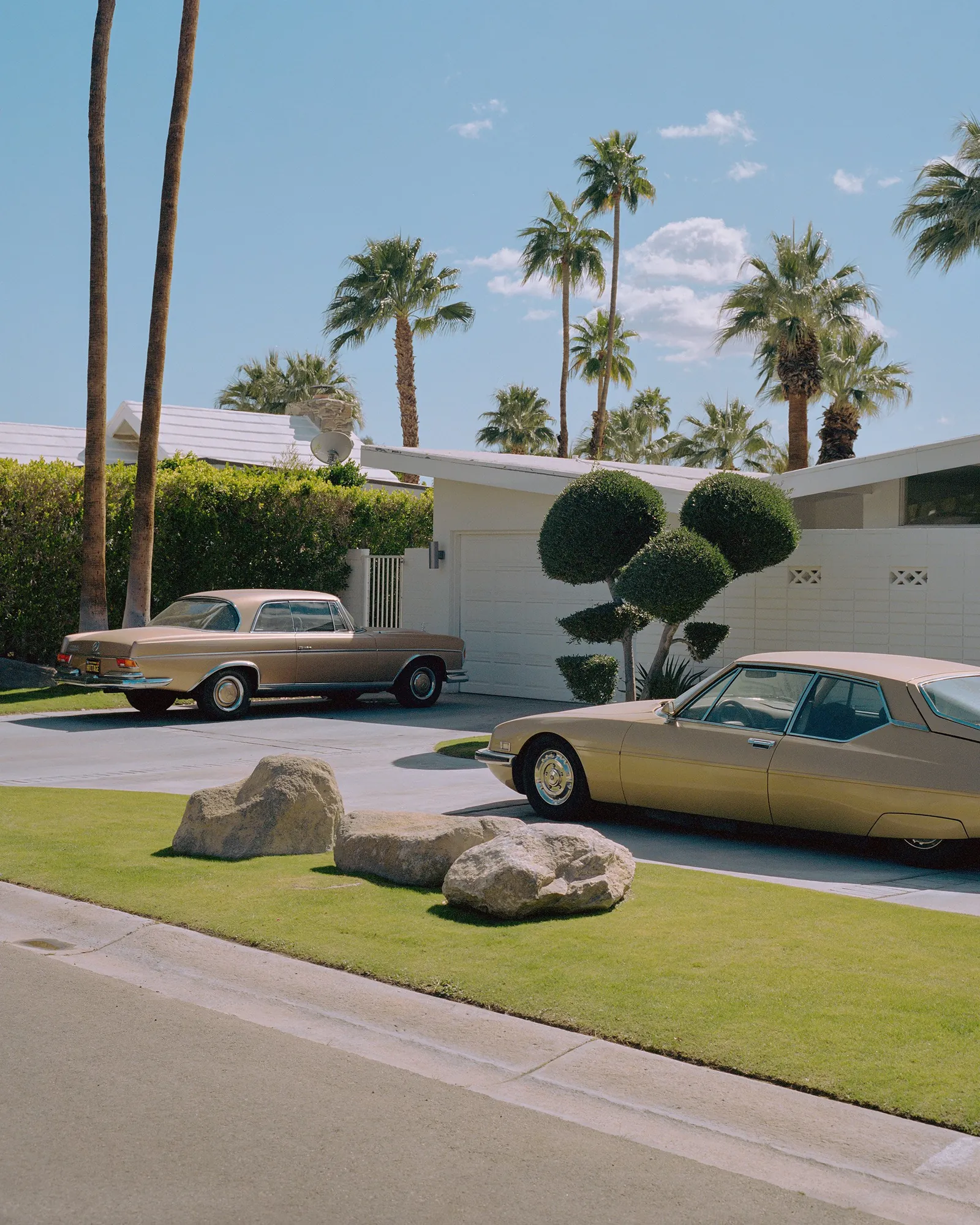
Dino Kužnik photographs the quiet parts of America that often slip past at seventy miles an hour. A pastel motel sign leaning into the wind. A faded gas station against an endless sky. The edges of the West that feel both familiar and dreamlike.
Surprise marked his beginning. Born in 1986 while his family vacationed on the Croatian island of Mali Lošinj, he likes to say he arrived early to the party. He grew up in Slovenia during the country’s turbulent transformation after independence in 1991. Western movies, MTV, skate culture, and glossy American iconography poured in. “So I was kind of attracted to the American aesthetic by default,” he says.
Photography came from childhood trips and hours spent flipping through his grandfather’s National Geographic magazines from the 60s. Still, it did not become a calling until college, when he saved up for his first DSLR. “I have always been a very visual person,” he says. “It felt natural and super exciting, although my roommate hated me because I was photographing everything and everyone all the time.”
“So I was kind of attracted to the American aesthetic by default,” he says.
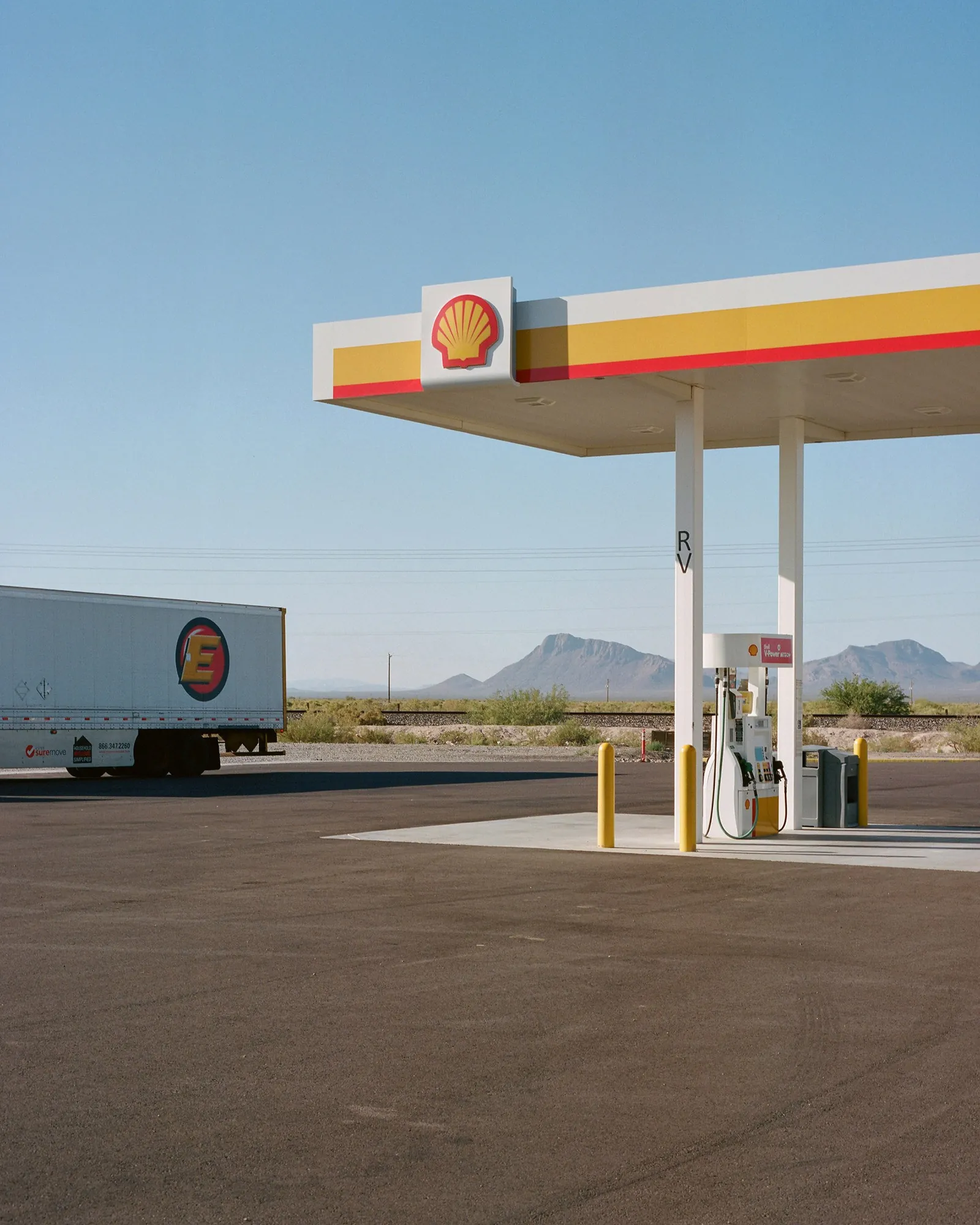
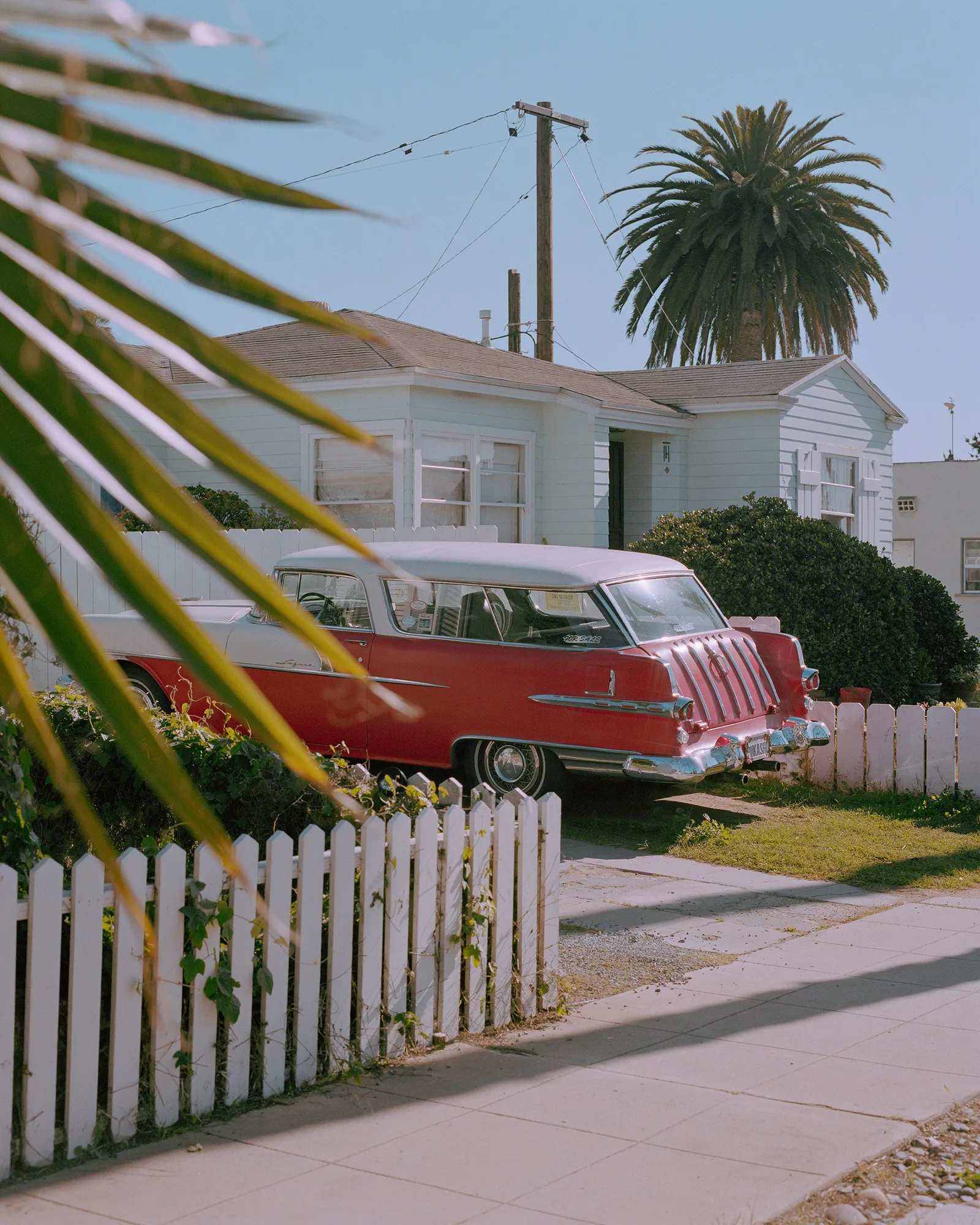
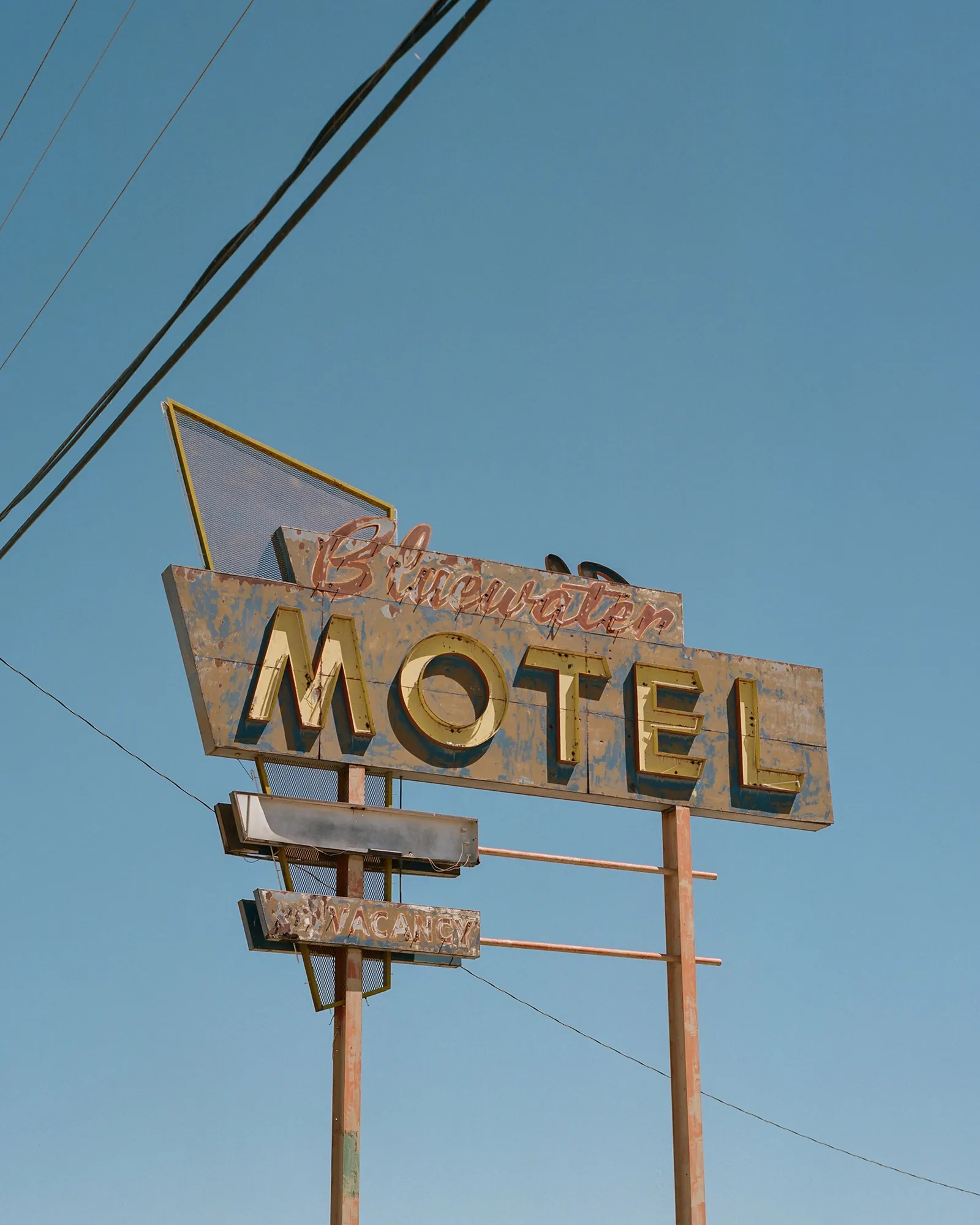
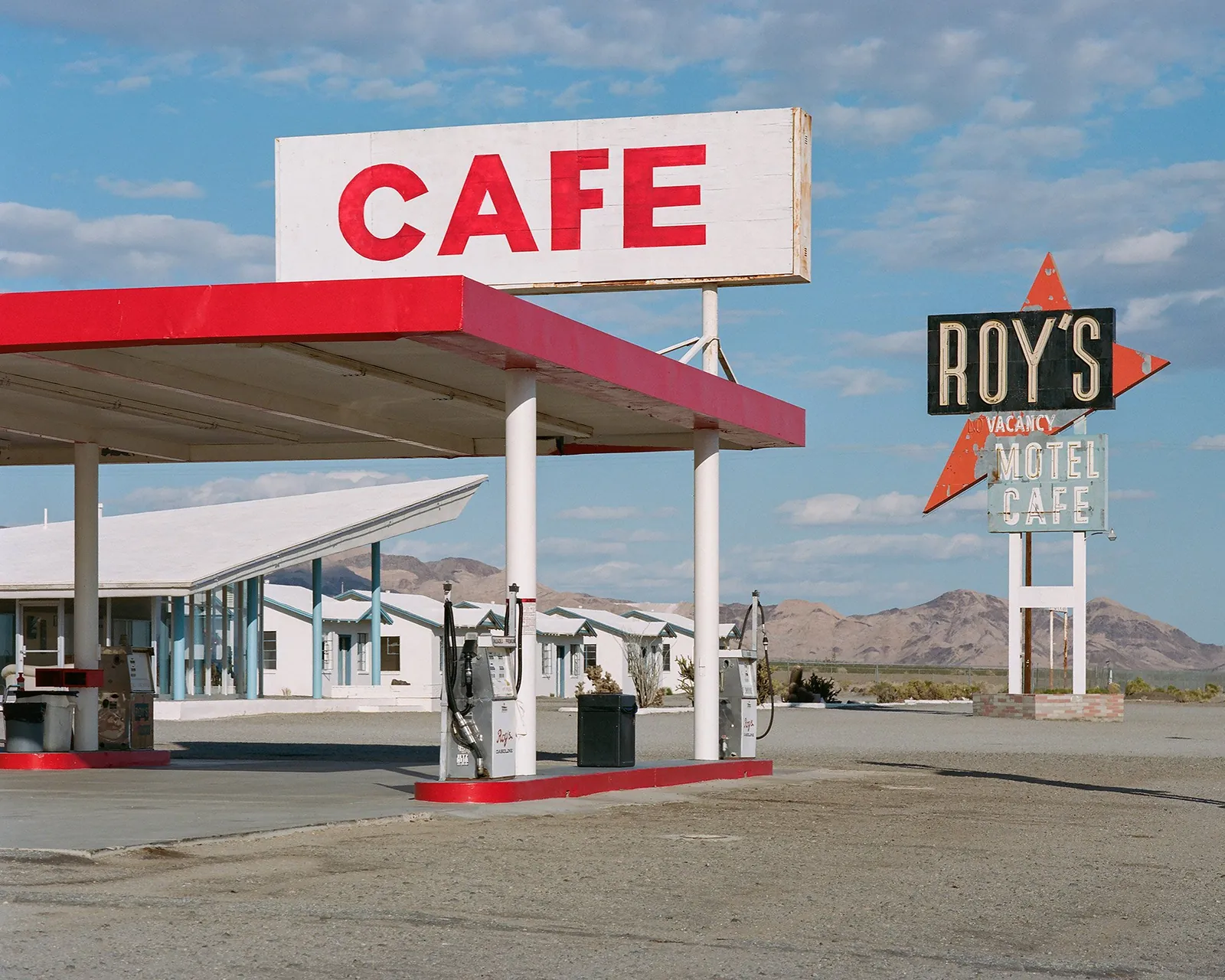
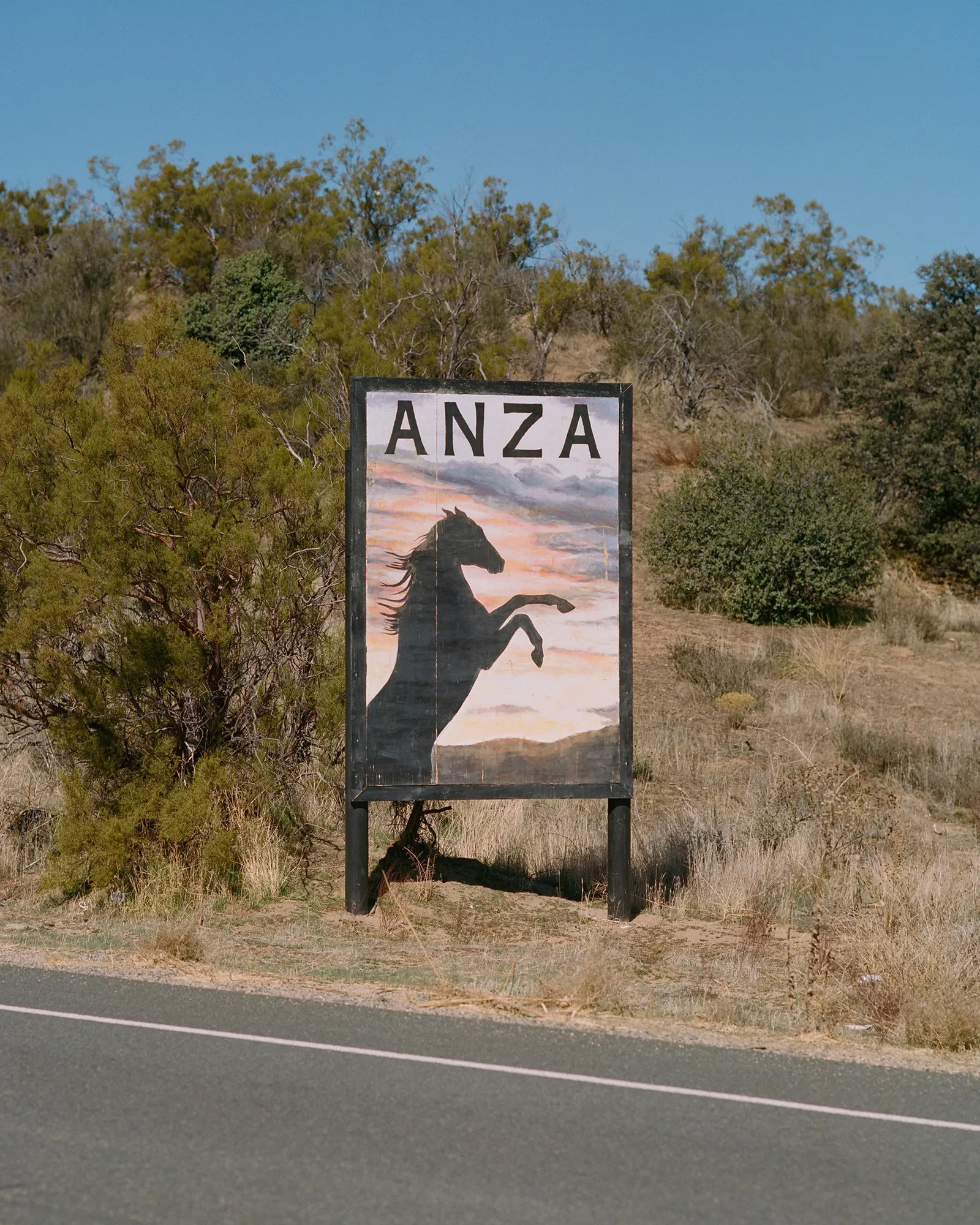
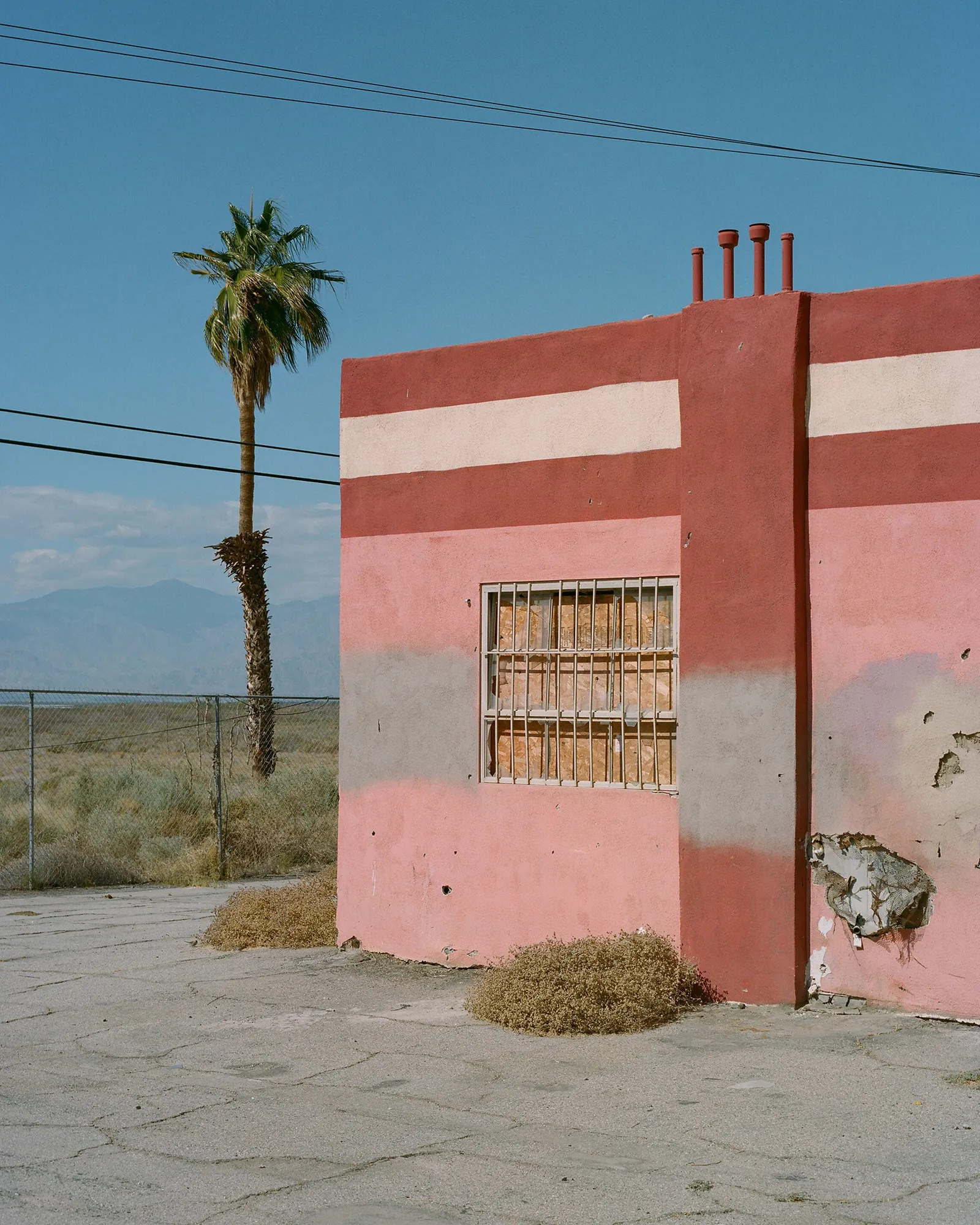
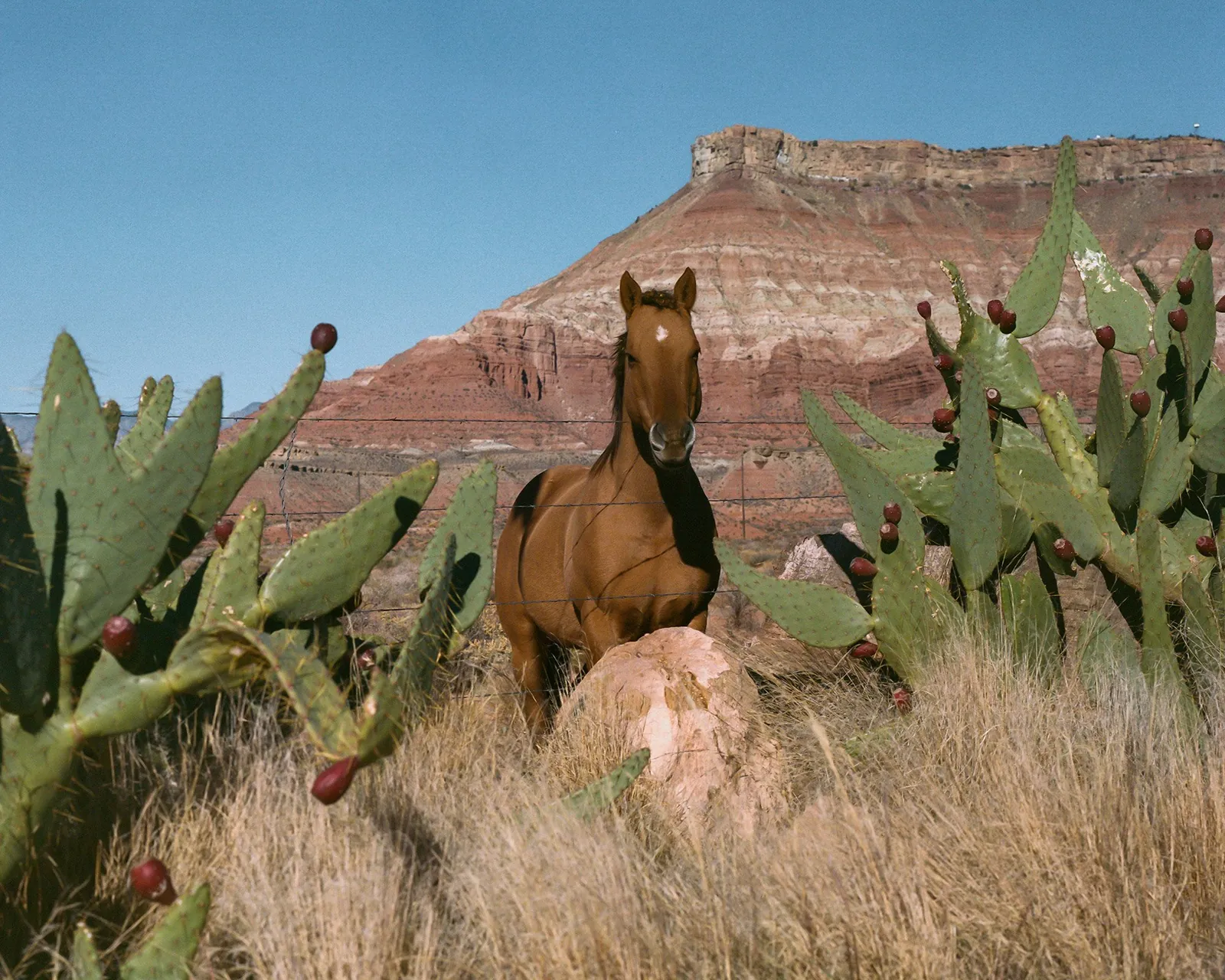
He began with journalistic and street photography, chasing adrenaline and unpredictability. “The thrill of shooting something that scared me made me feel really alive,” he recalls. Later, his work as a graphic designer sharpened his eye and gave structure to his instinct. “I would describe it as OCD compositing,” he says. “I am super aware of everything in the frame and very precise, but I try not to get to the point of being sterile.”
The real shift happened when he moved to San Francisco. Weekend road trips through the desert became a ritual and a revelation. “That really was a stepping stone for my photography,” he says. The West matched the version of America he grew up imagining, only the light was softer, the colors more surreal, and the distances far greater. “I never think too much about it,” he says. “I just do it by feeling.”
Over time, his work has developed a visual language defined by emptiness and calm. Sparse compositions. Muted tones. Structures that seem suspended between past and present. These images feel like a pause in a restless place. They suggest a different kind of Americana, far away from noise and narrative.
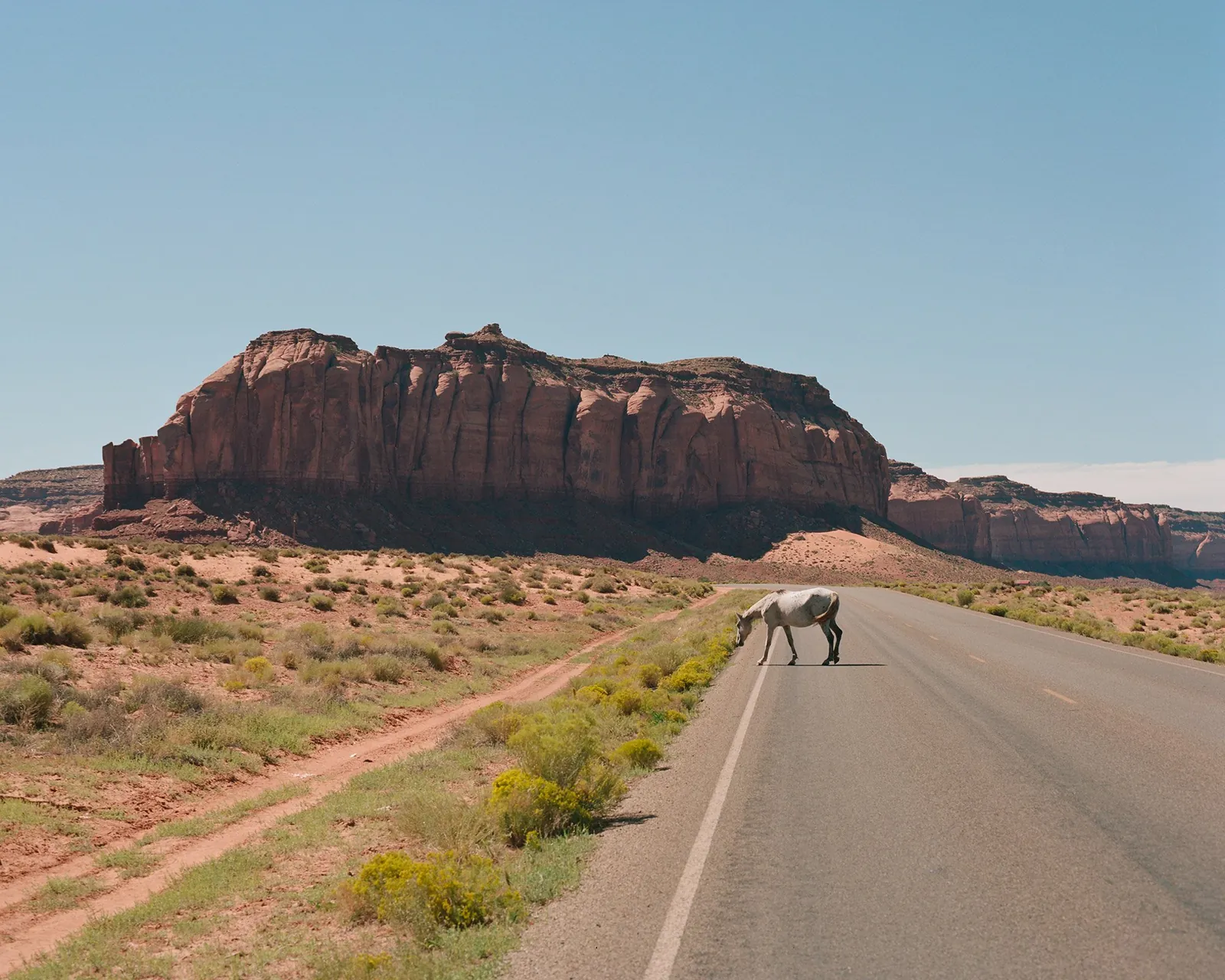
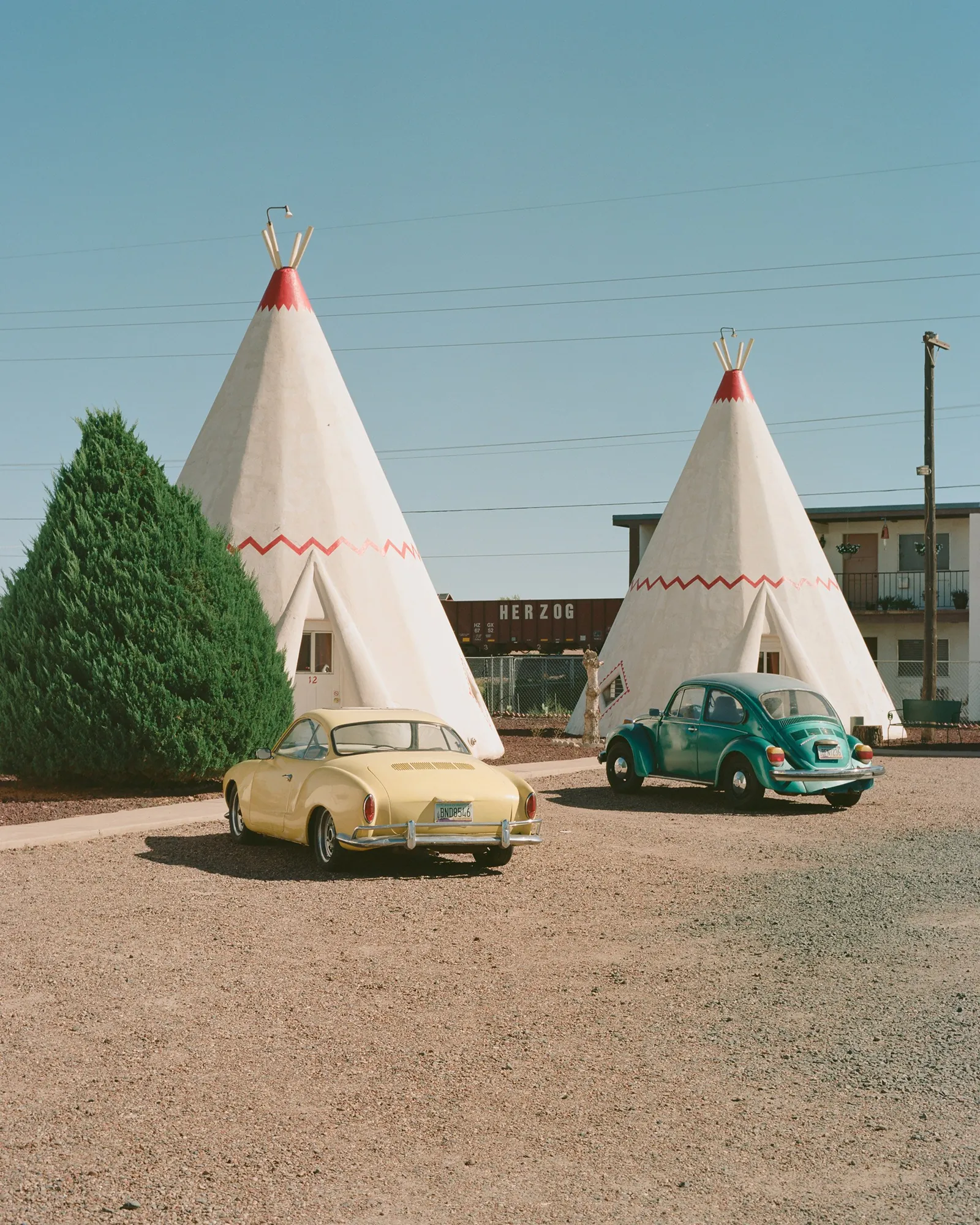
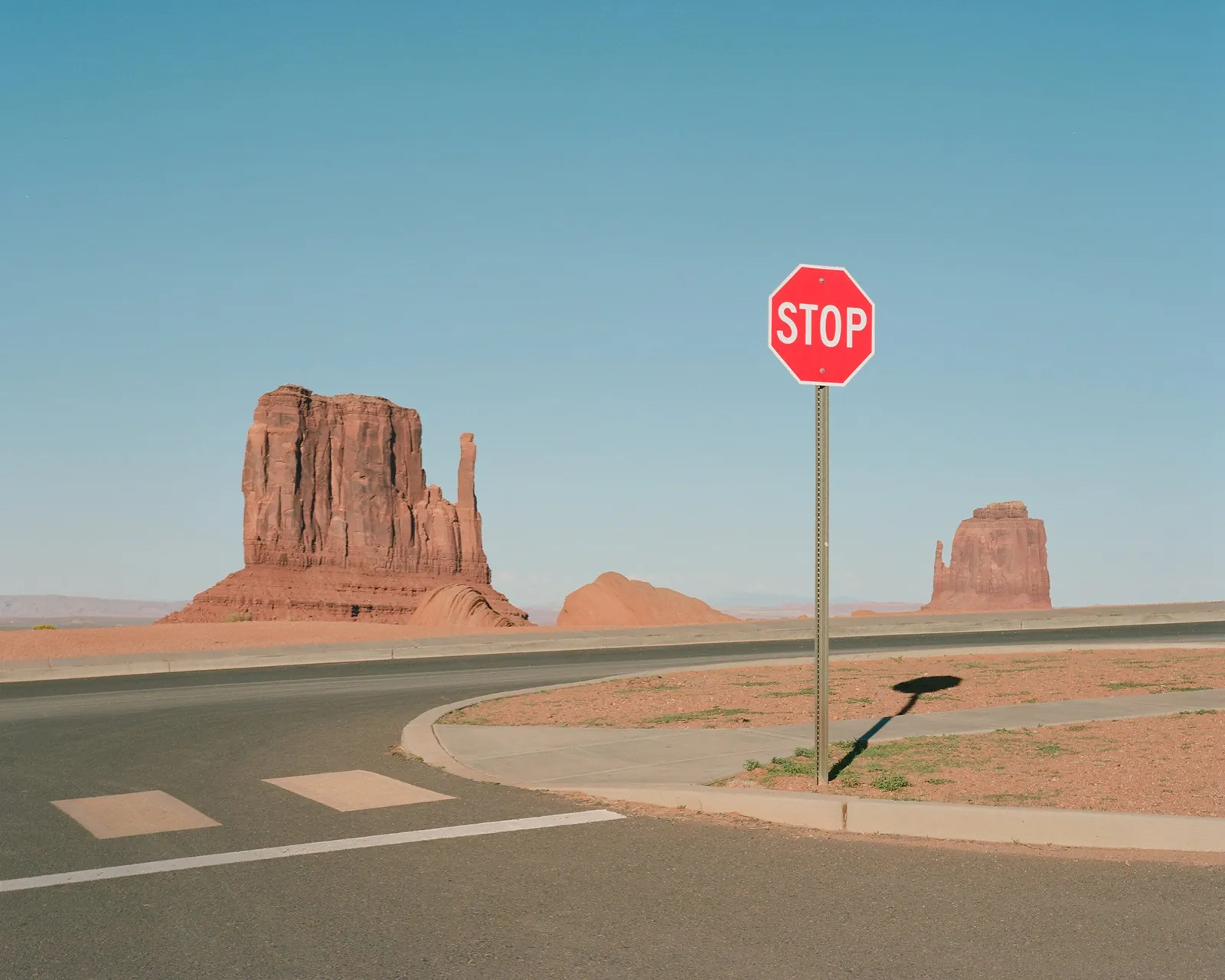
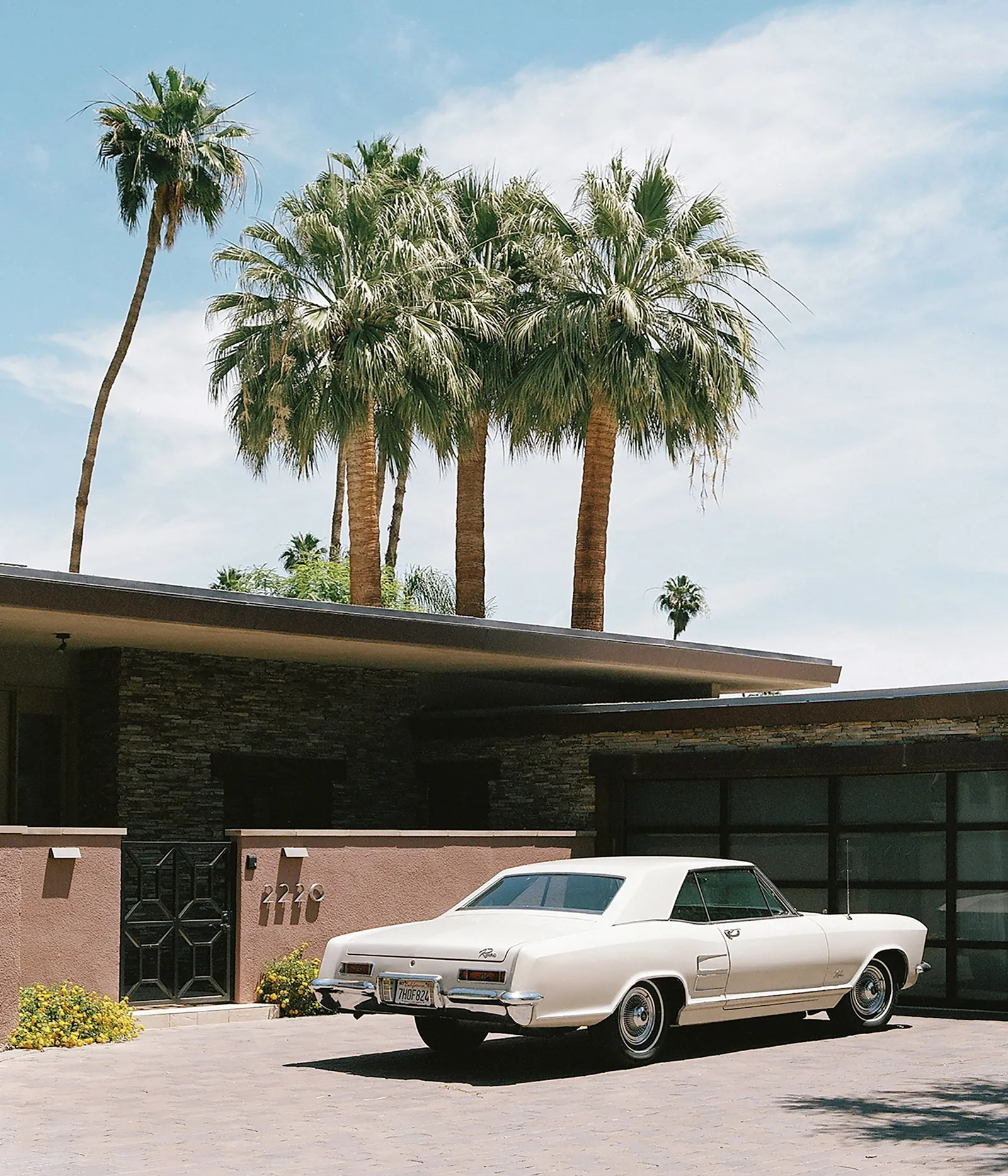
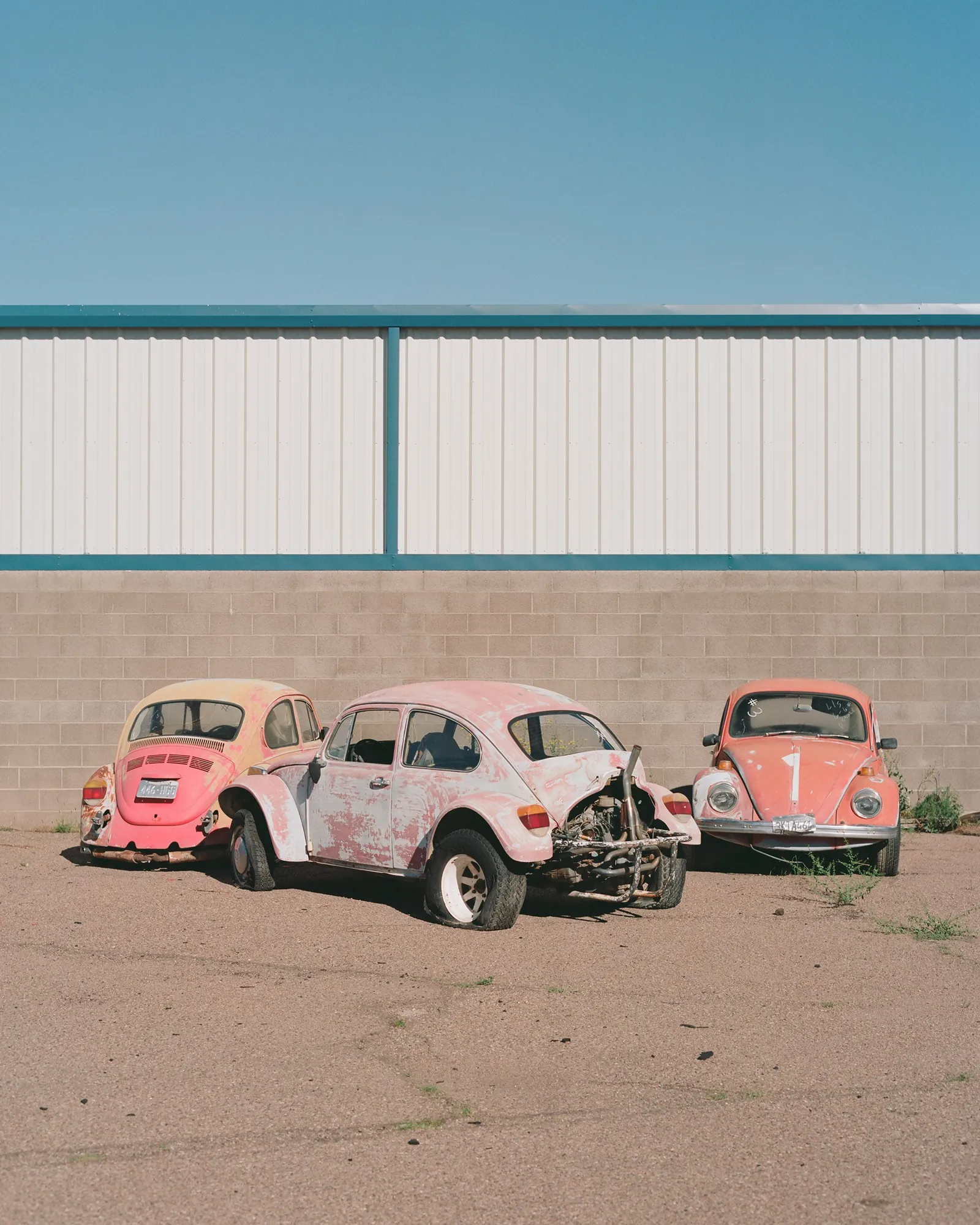
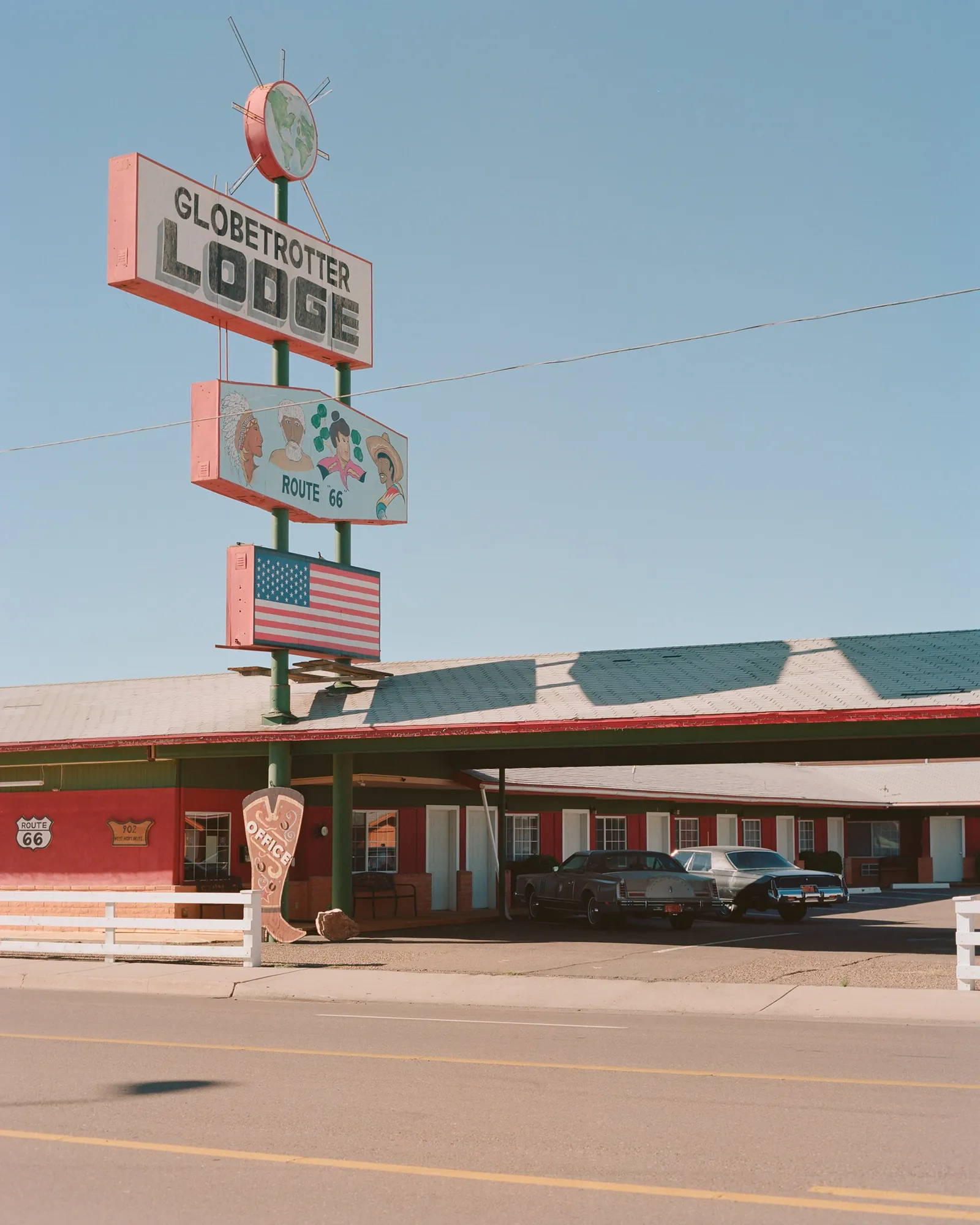
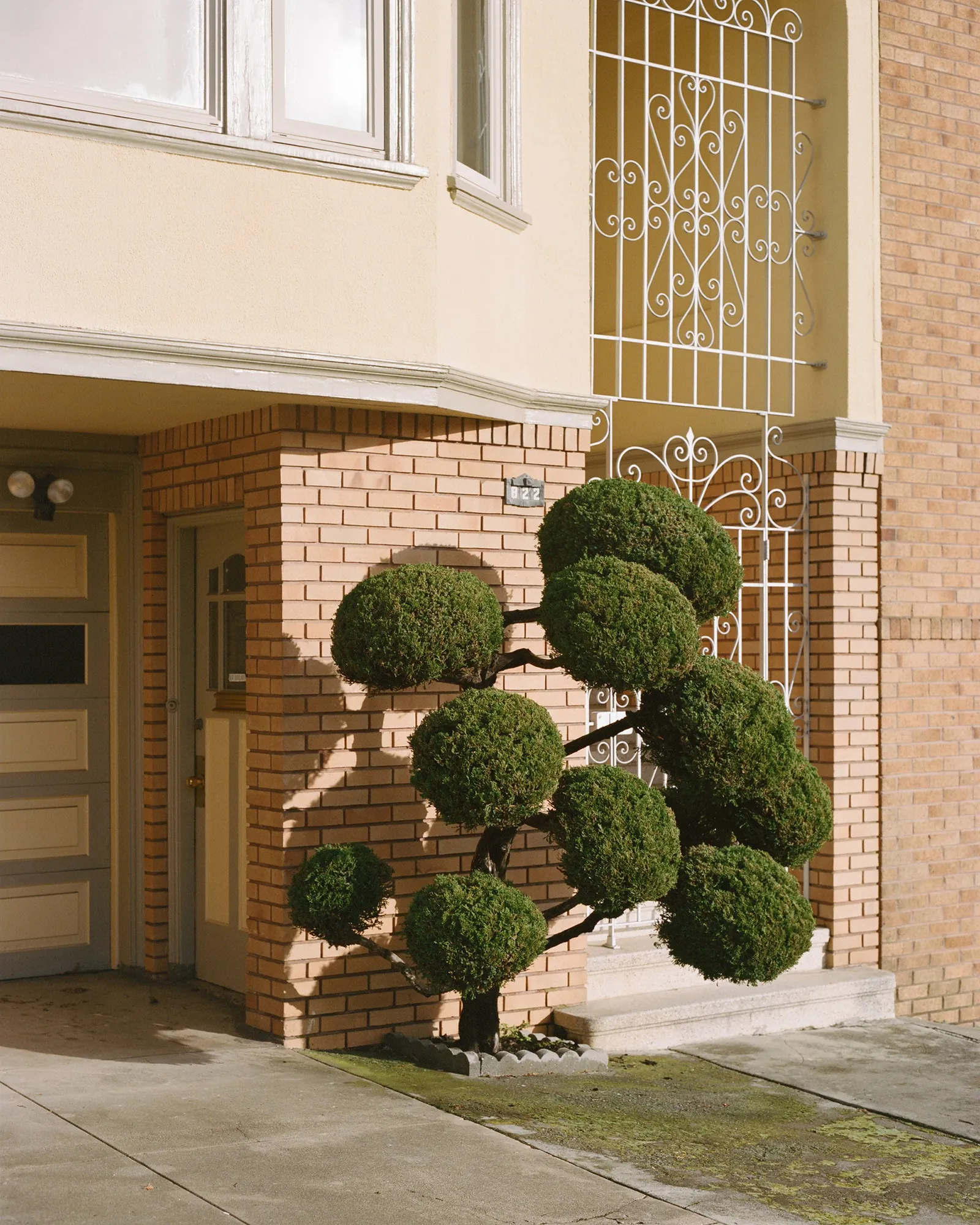
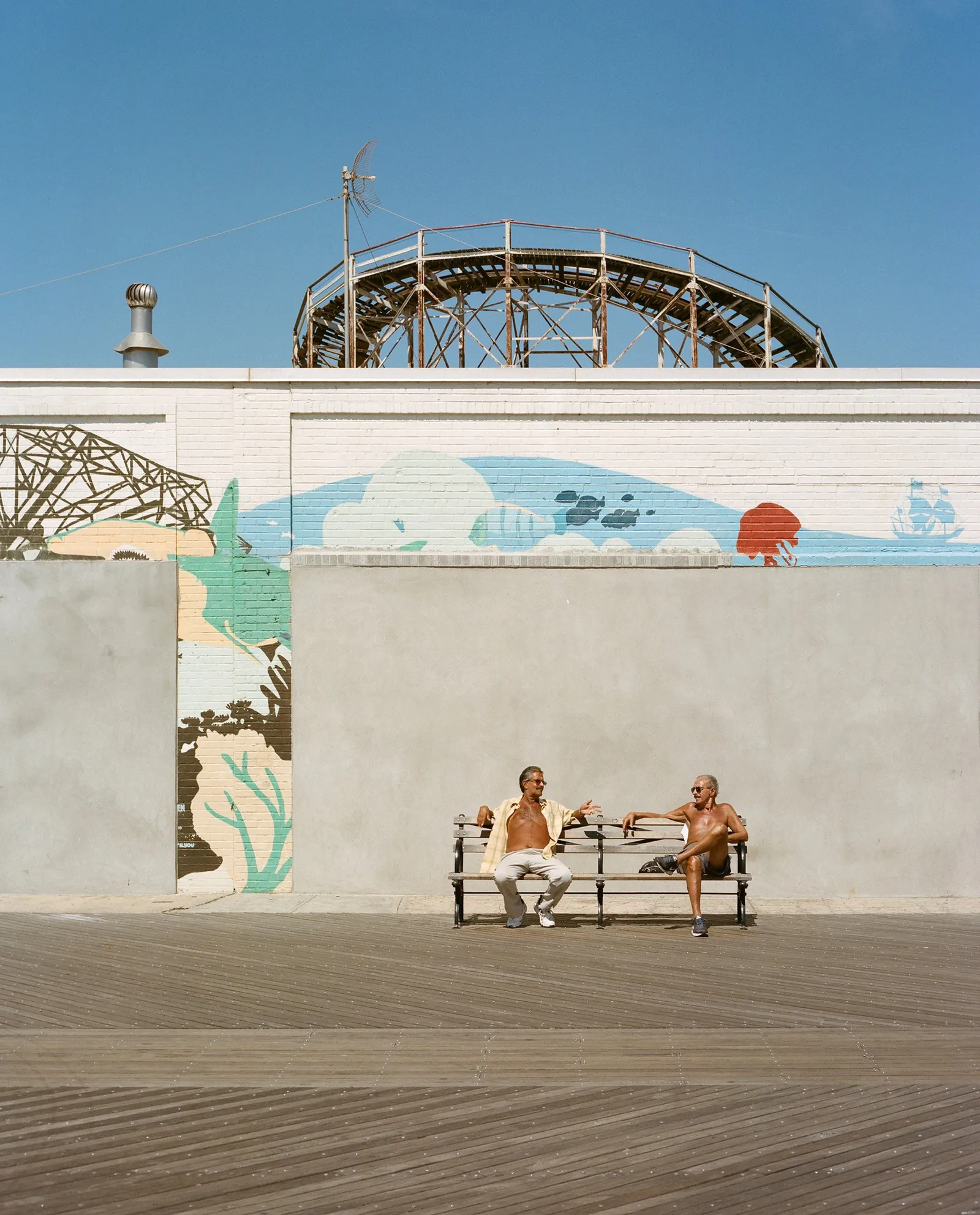
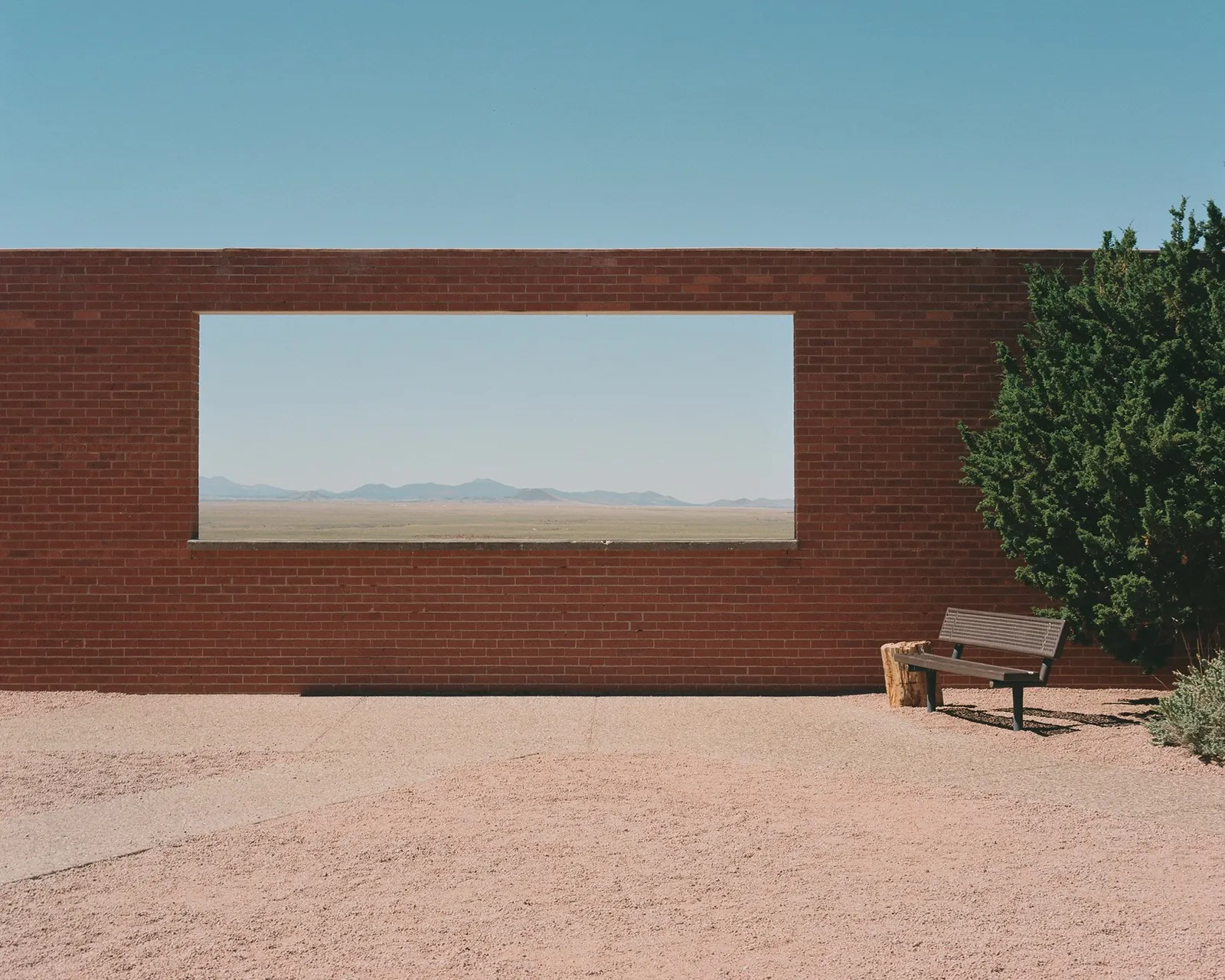
“I really like the feeling of solitude when I am photographing in the desert or exploring a new place,” he explains. “I get into this weird mode where I see so much stuff that I usually miss. It is almost like a meditative state.” His landscapes often appear unbothered by time. They feel like fragments of a country that still exists, but only for those who wander without hurry.
Now based in New York, Dino keeps returning to the West. The contrast between Manhattan’s urgency and the untouched stillness of roadside America fuels his work. He plans just enough, marks a few pins on Google Maps, and drives. “It usually helps if I am inspired by something,” he says. “Not necessarily always positive either. Sometimes good, sometimes bad, but I try to shape those feelings and inspiration into something good.”
His images arrive at a particular moment, when ideas about American identity are shifting and often contested. In his view, the overlooked places have something to say. They are reminders of freedom that feels both real and imagined, a lingering promise in a country always in motion.
“I do not like to get stale in life,” he says. “The process of evolving something I love and hold so dearly is what really makes me feel alive.”
For Dino Kužnik, photography is not an attempt to define America. It is an invitation to look again.
From the LYFSTYL original series - “In Focus.”
Words by Braeden Alexander.