The Barcelona photographer learned how to see in a hospital room, caring for a sick boy named Manuel. In lockdown, she found a subject she had never really looked at: a man’s body.
Martina Matencio can point to the moment she became a photographer. It was in a hospital at night, where she had offered to look after a seriously ill boy named Manuel. It was a hard thing to commit to, and she took it on.
“I started taking pictures of his knees, his arms,” she says. “He was sick but it all looked very beautiful. The light in that room was gorgeous and it really got me thinking how something so sad could seem so beautiful to me.”
Those pictures are why she does this work. “There I realized that there was nothing more human and beautiful than that memory,” she says. “I would say that life put me in front of Manuel so I could learn everything that I now communicate through my photography.”
Her career started with clothes. She and a friend set up Luna de Marte, a vintage-inspired fashion label, and Matencio took the photographs. Shooting the clothes, she found the way of seeing she still works in.
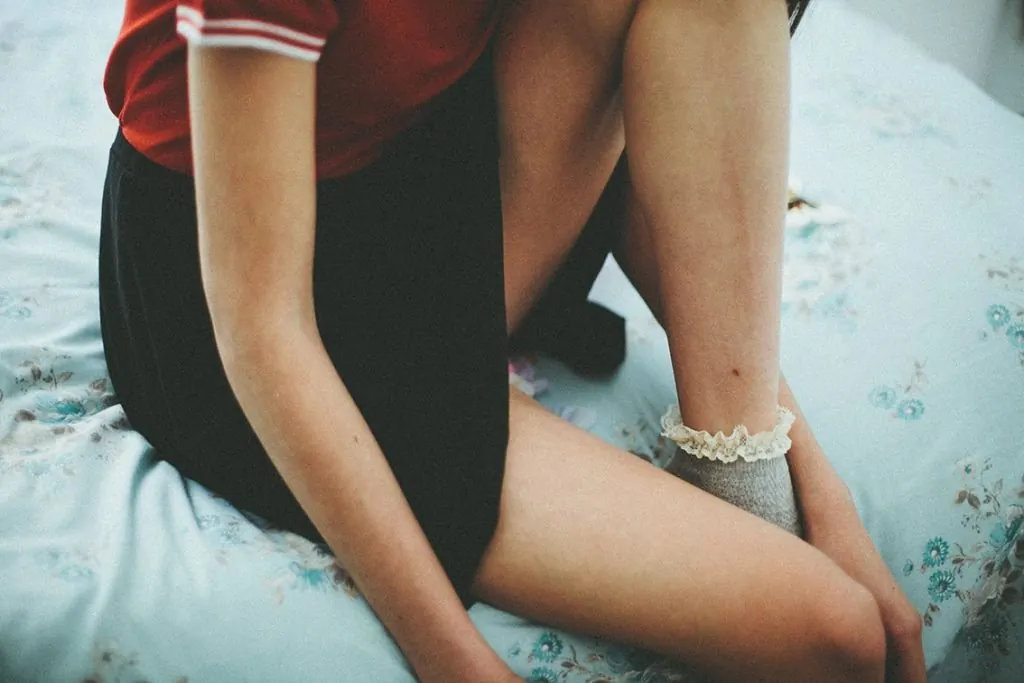
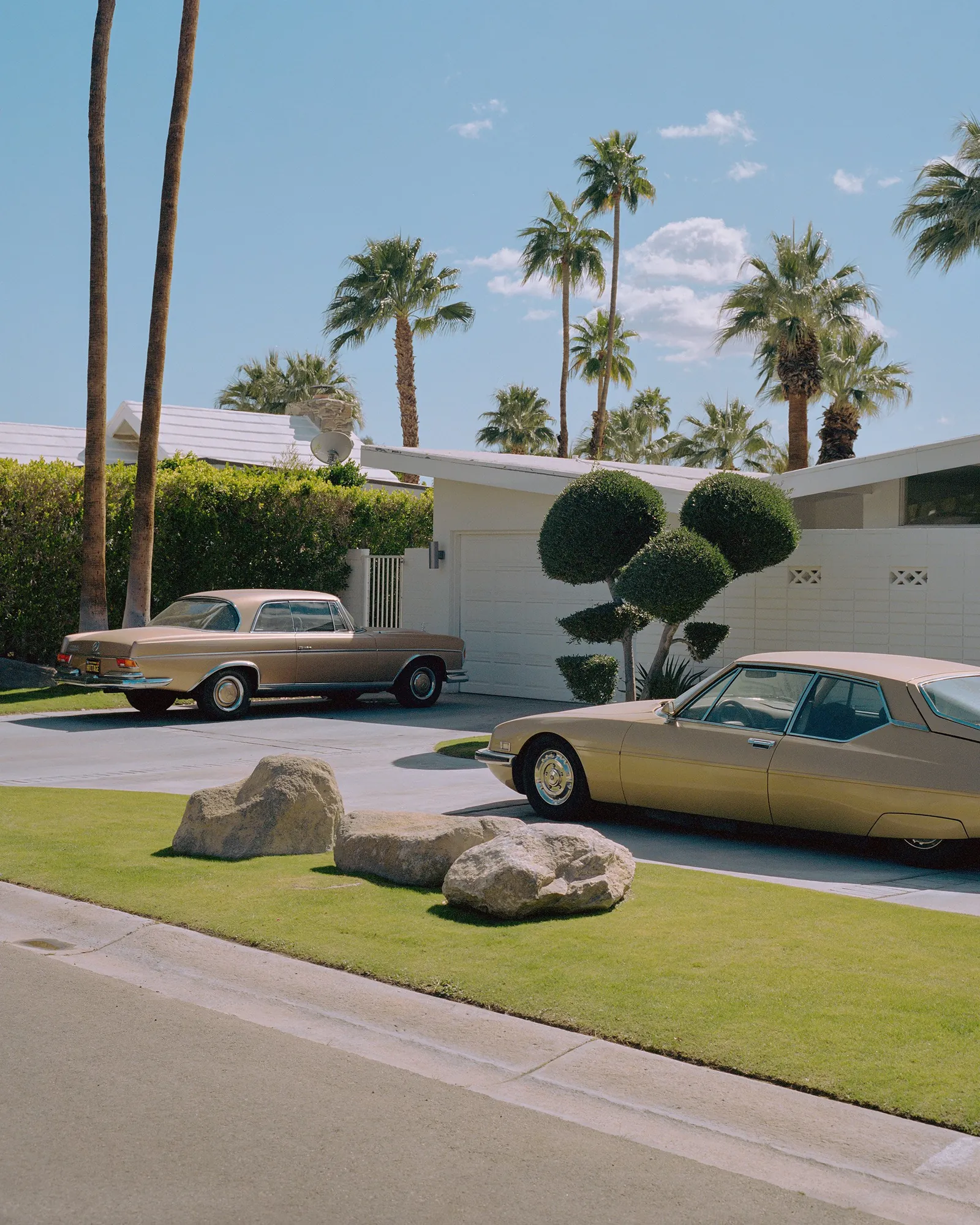
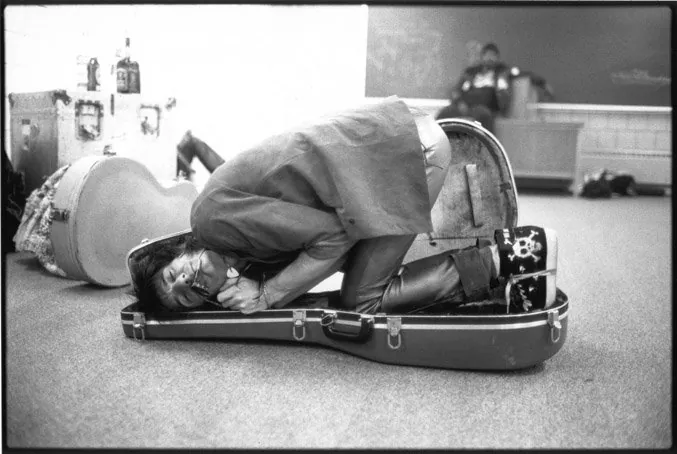
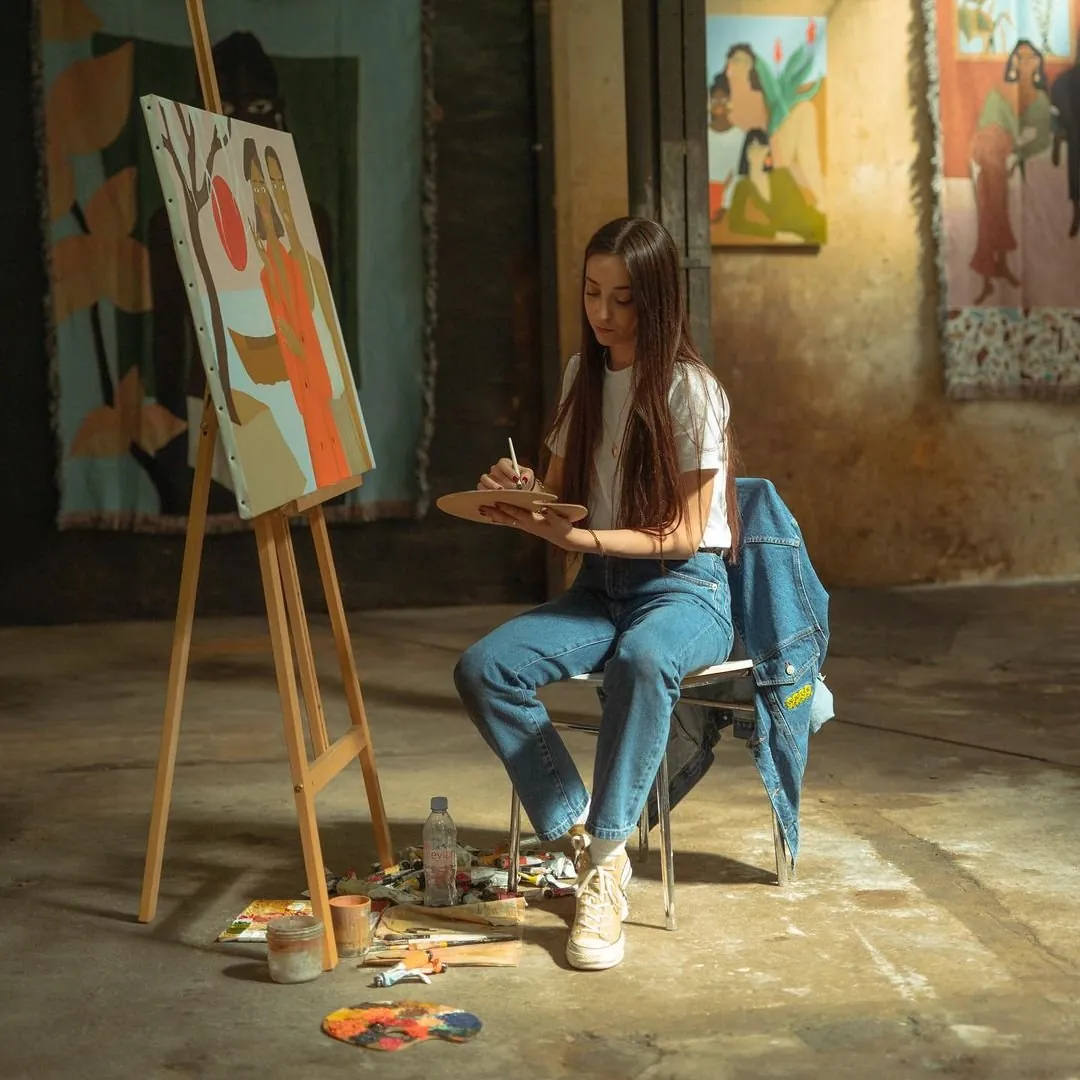
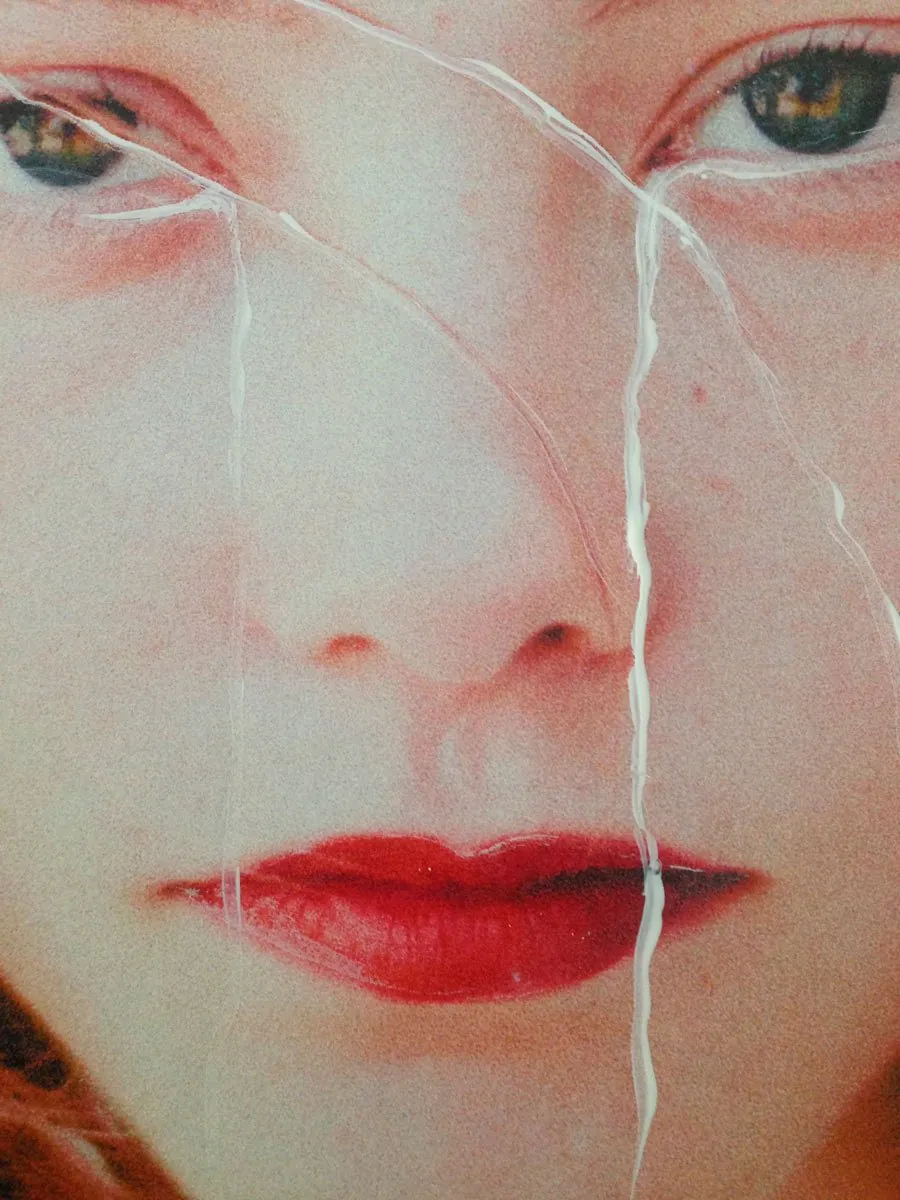
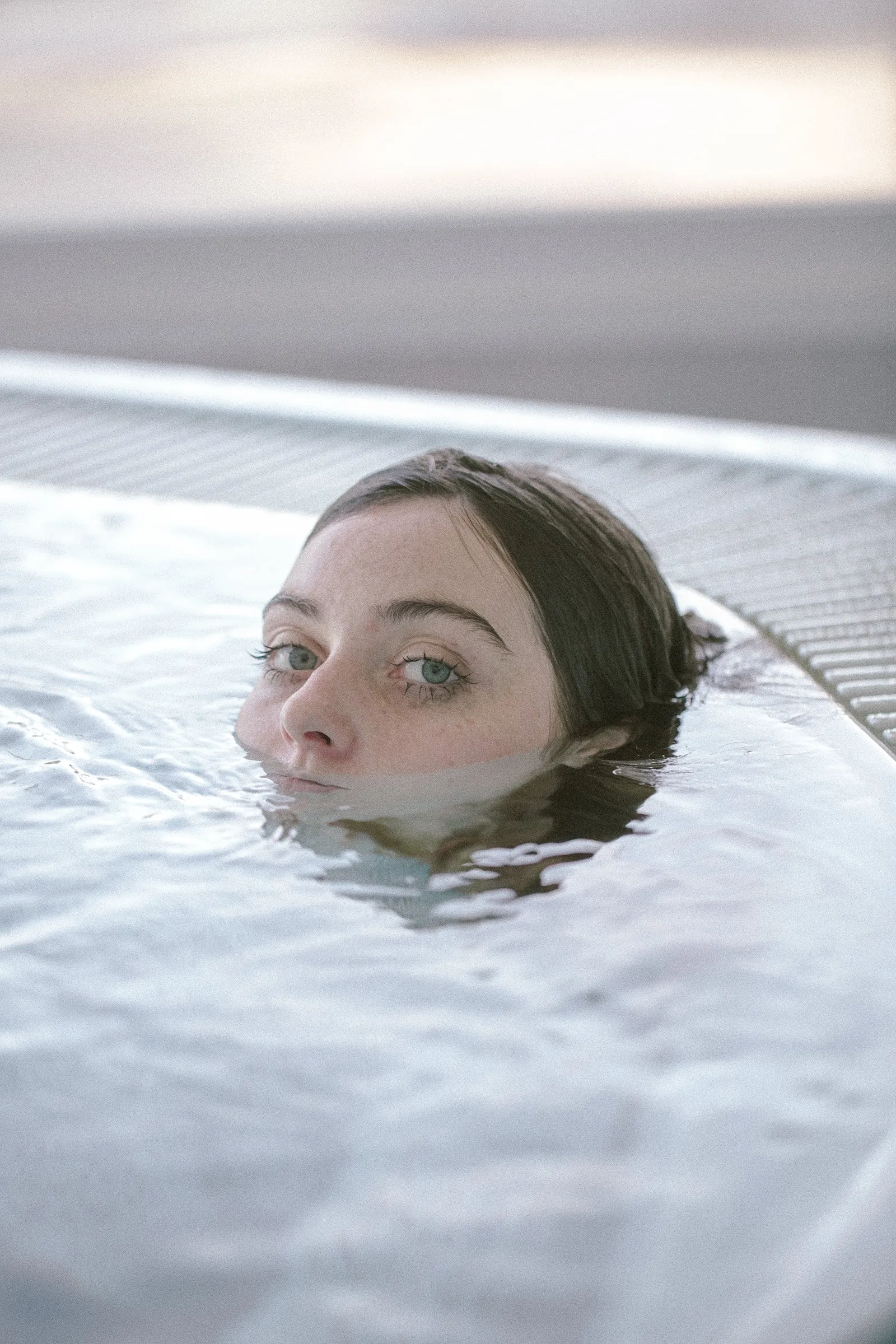
On Instagram she goes by Lalovenenoso, from love and venenoso, Spanish for poisonous. The name fits the pictures: natural light, washed-out colour, mostly women, with expressions somewhere between pain and pleasure. She doesn’t plan much. “I rely on intuition,” she says. “I almost always end up improvising and letting myself get carried away by the moment, the space and especially the light. I feel like light gives strength to my images.”
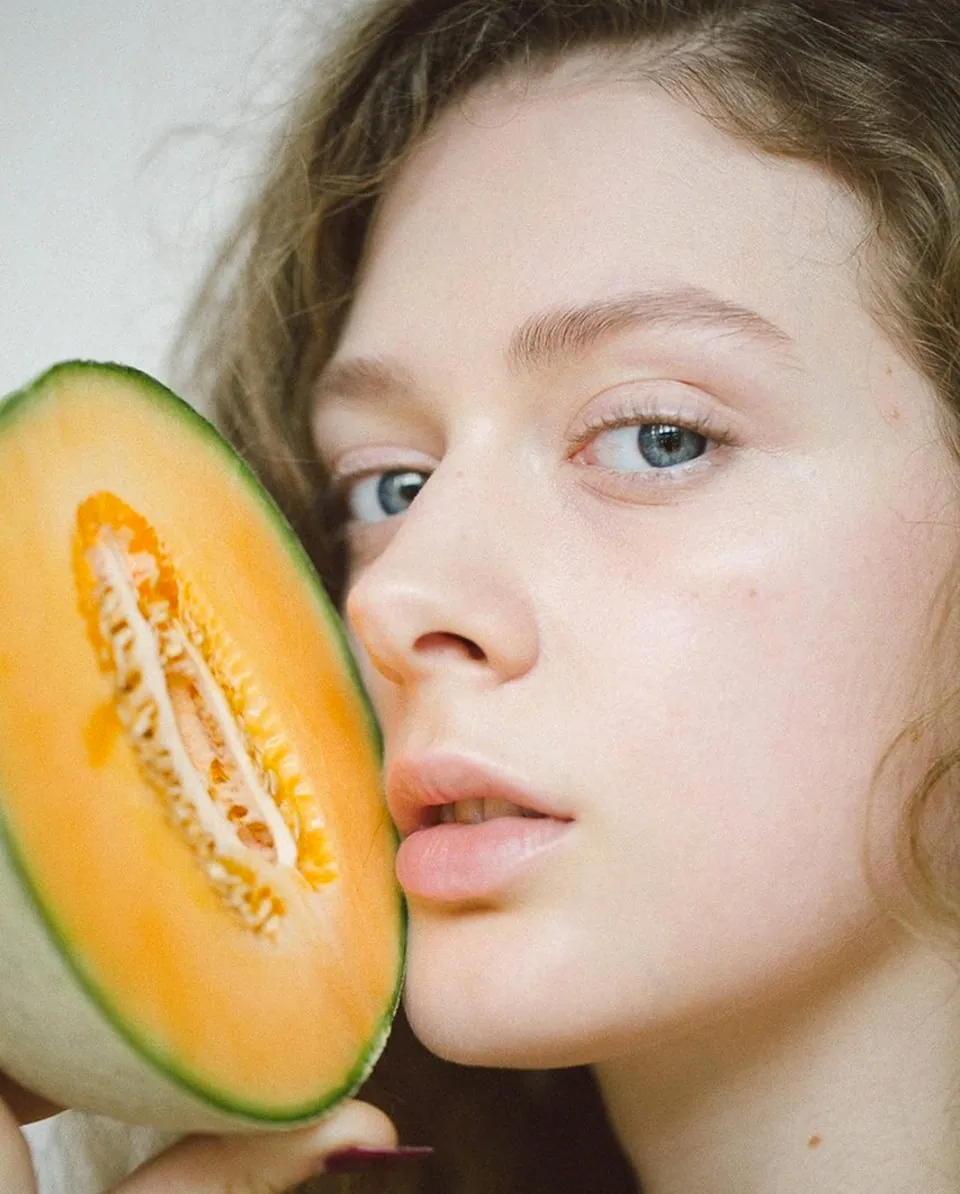
She rejects the idea that her subjects are fragile. To her, they show strength.
Ask her why the body, and her answer is short. “The unknown,” she says. “What you don’t really see with the naked eye. I like to find parts that the human eye can’t see. I like to find details and spaces in the body.” She shoots it a piece at a time. “For me, every body, all bodies are beautiful,” she says. “I feel like I show it in small parts and, in the end, they all create some sort of map with all my images.”
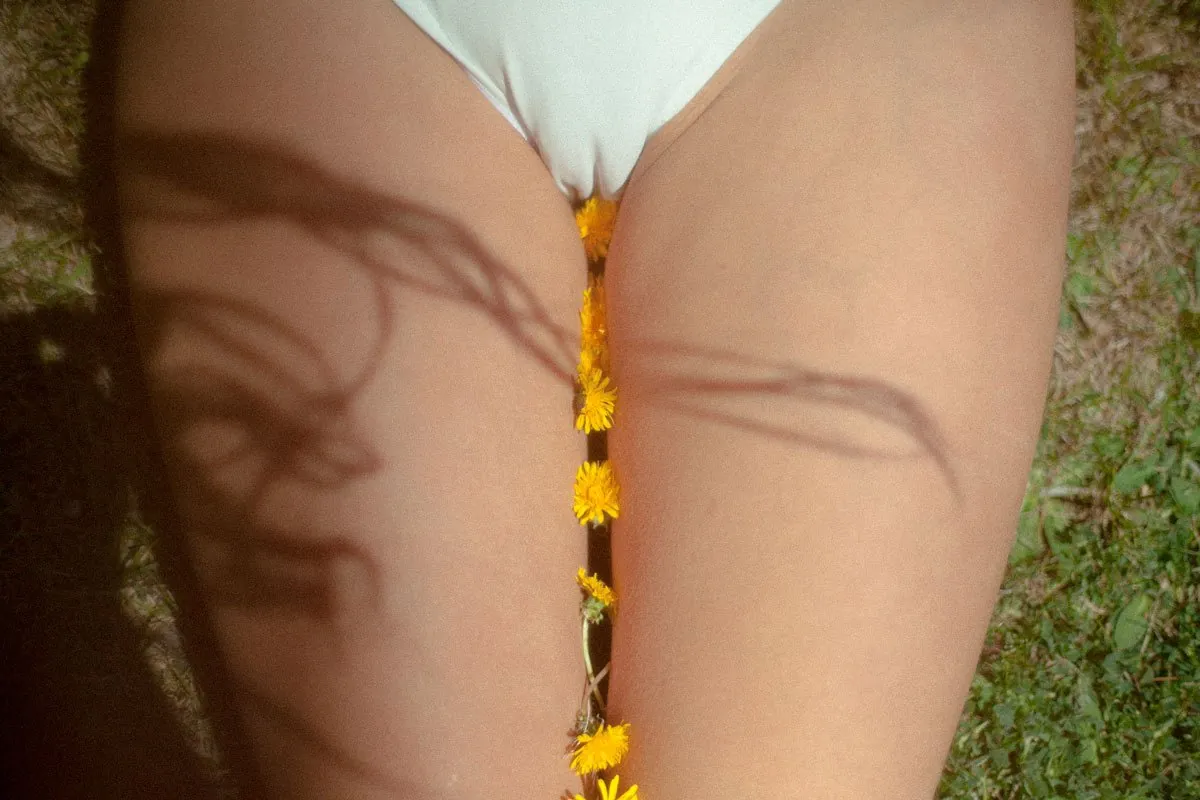
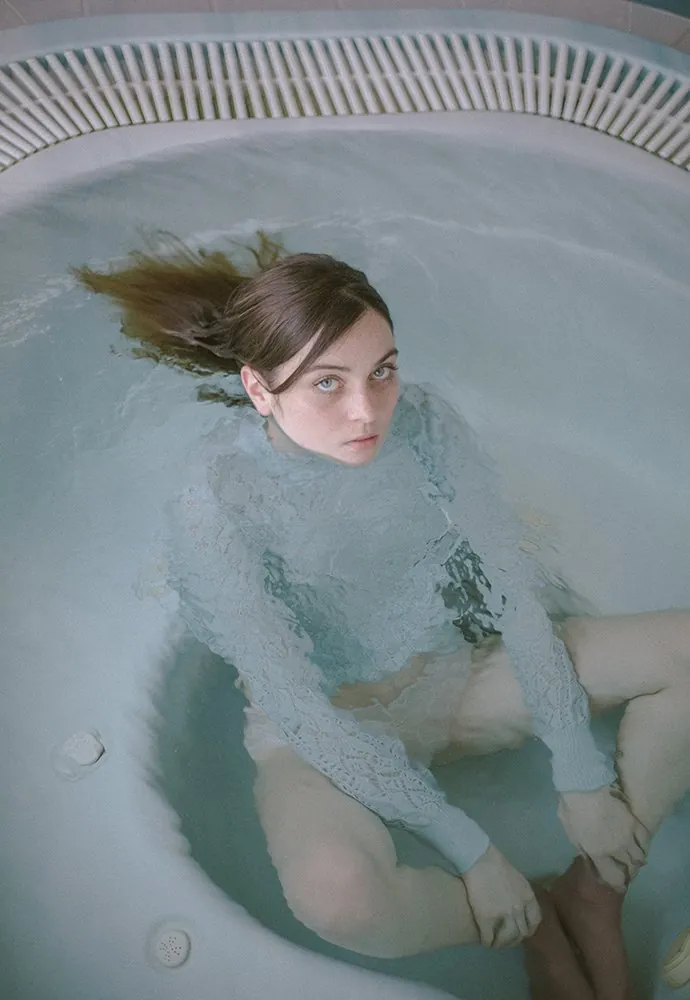
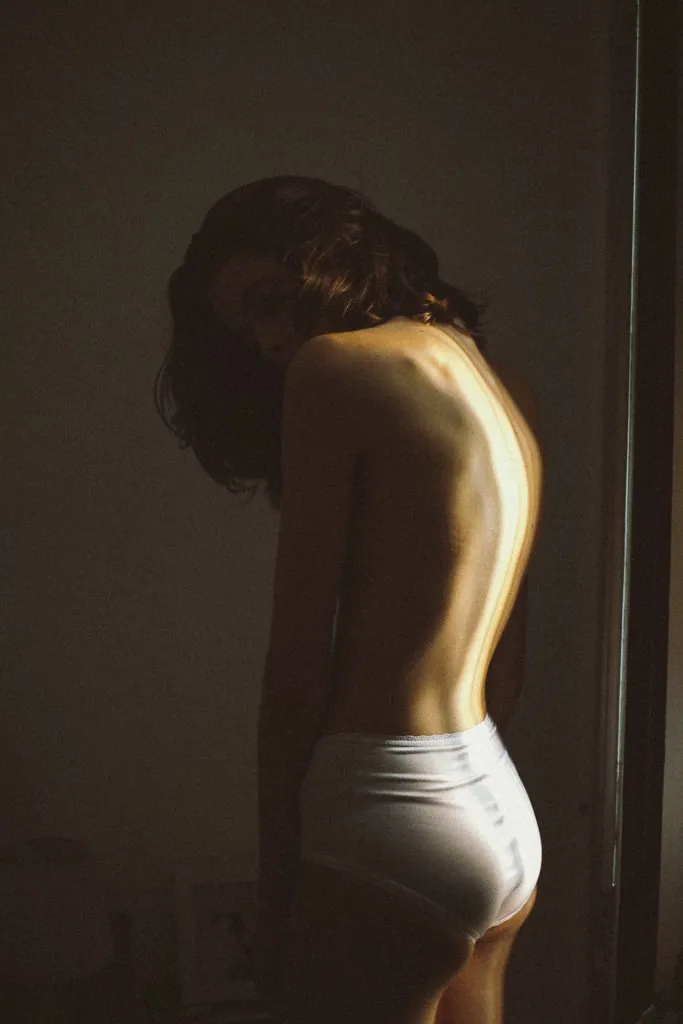
“I remember the first job I did professionally and I remember thinking ‘this was the best decision I’ve made in my life,’” she says. “It all started in that hospital room with Manuel. Step by step I have been growing and evolving and gaining more experience, but my main starting point comes from that essence.”
“I guess what I want the viewer to feel is what I am feeling, although that may be complicated,” she says, and laughs.
Barcelona, May 2020
When Barcelona went into lockdown, Matencio was confined with two close friends. “Our days have been pretty similar to one another, in an unconscious way we set some routines,” she says. She was the early riser. “I was always the first one to get up in the morning, I’d calmly prepare breakfast for the three of us.” In the afternoons they usually took photos.
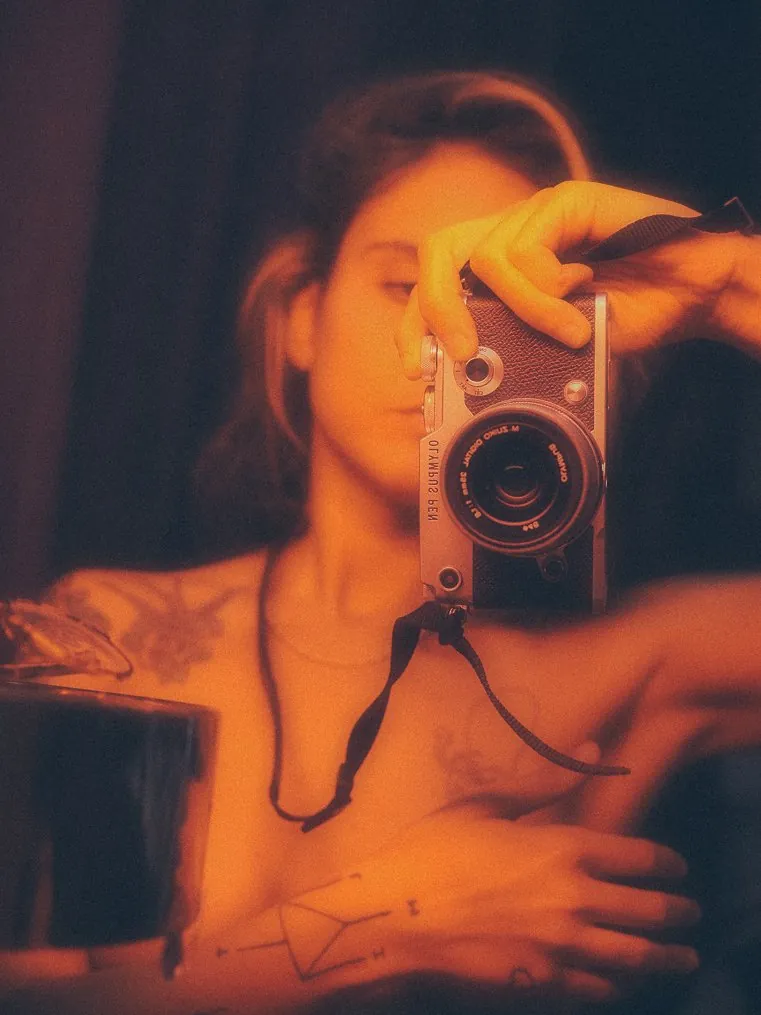
Her work barely had to change, because part of it already happened in her studio. “What I like the most about my studio is the light that comes in, luckily I have a large space with lots of light throughout the day,” she says. “It allows me to create with amazing natural light, which is essential for my work.”
Besides reading, her inspiration came from her two friends and her boyfriend, and her camera turned somewhere new. “It has been the first time I’ve photographed a man’s body in such an organic way, I was able to discover a beauty in the man’s body that I’ve never explored before,” she says. “I’ve always felt attracted to the woman’s body only, odd but true.”
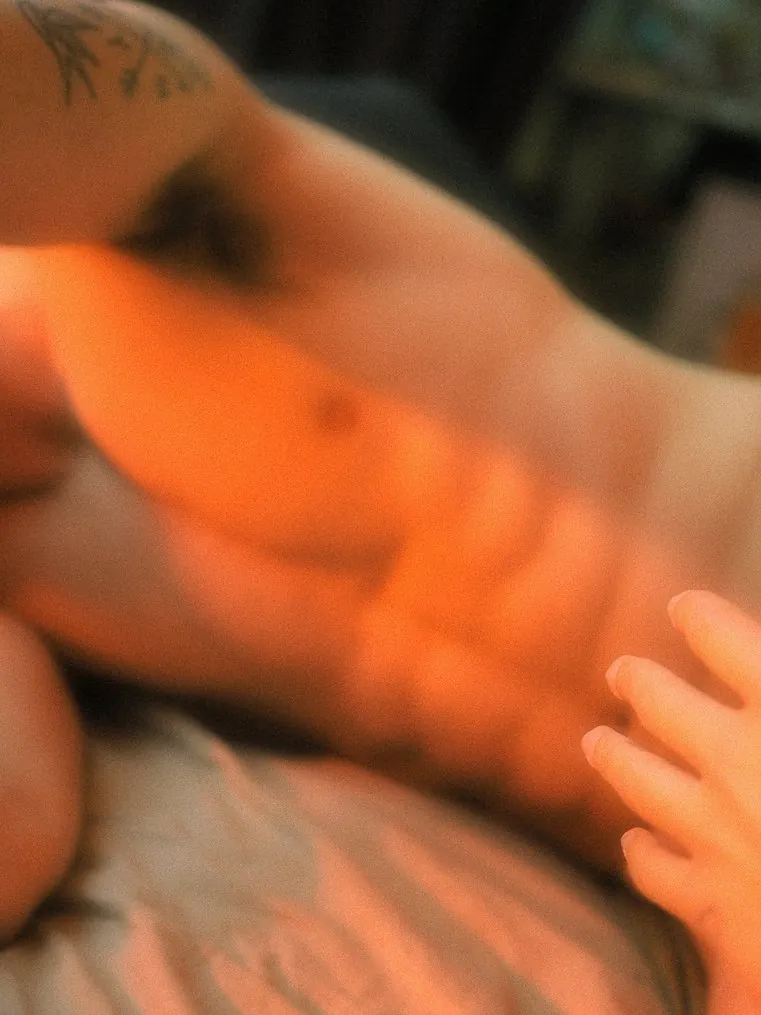
It wasn’t all easy. “I’ve had some bad moments, I feel like the quarantine has brought out the best and the worst in us,” she says. But the time showed her something. “More than learning about myself, I got to know myself from another perspective; this has given me the opportunity to see myself from another angle, another Martina.”
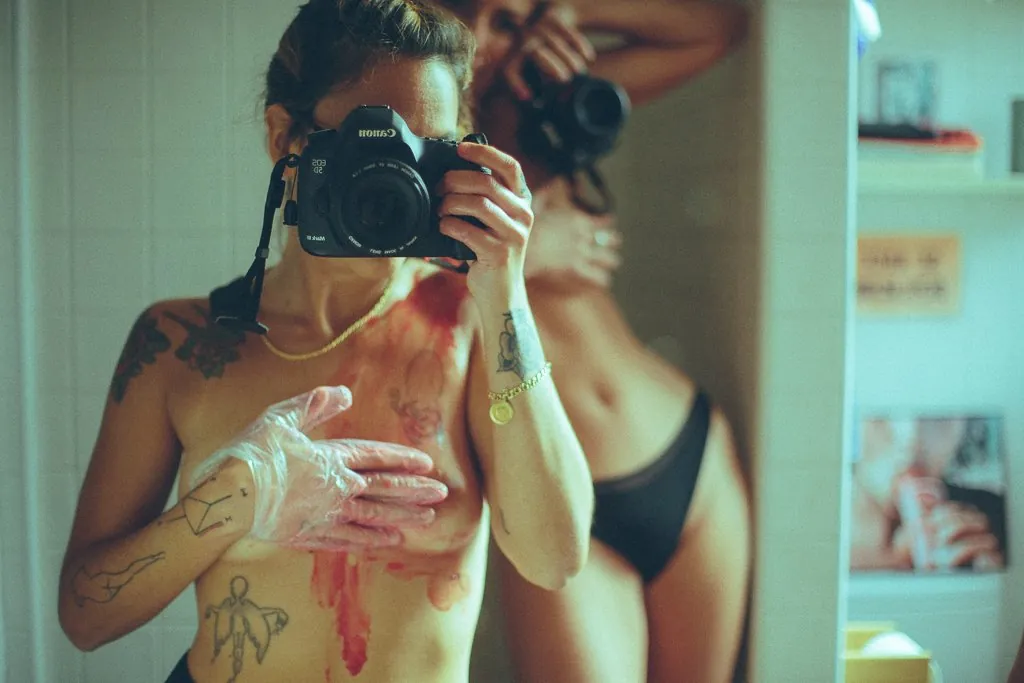
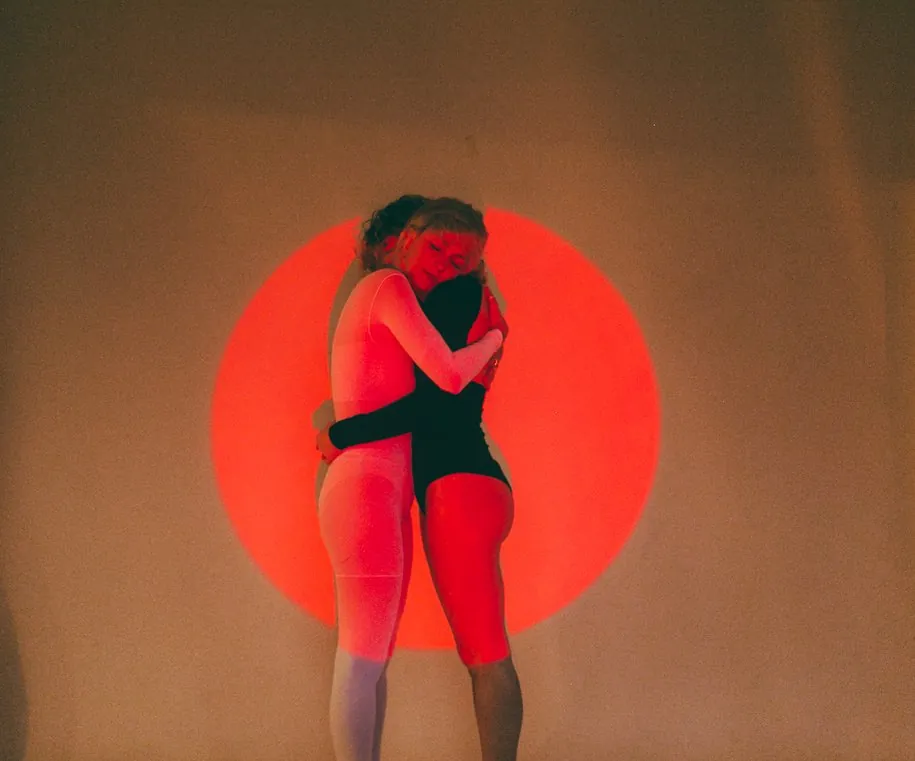
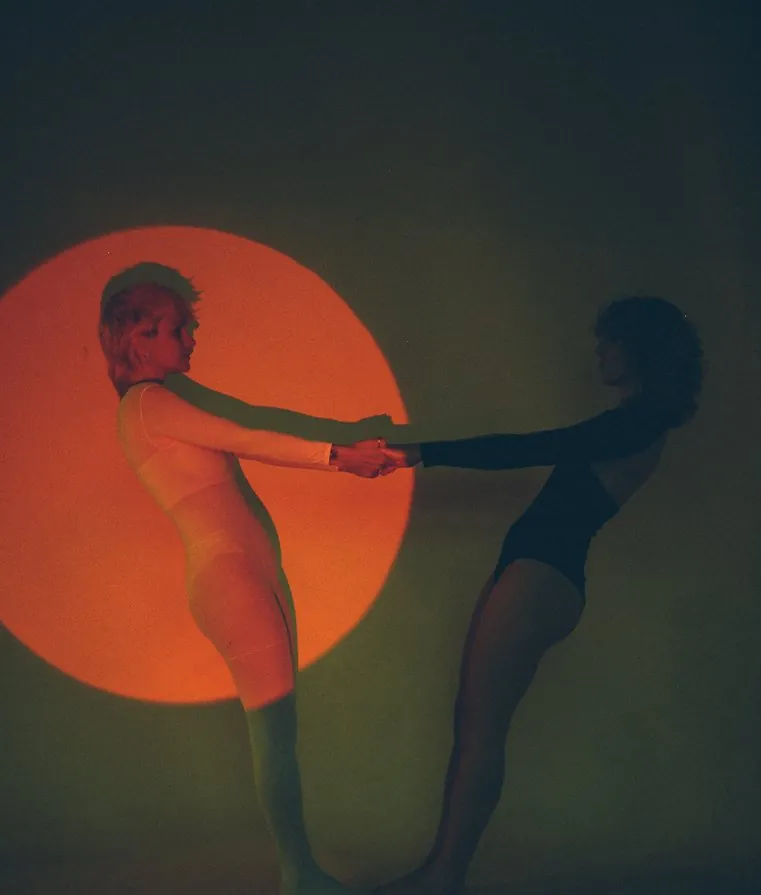
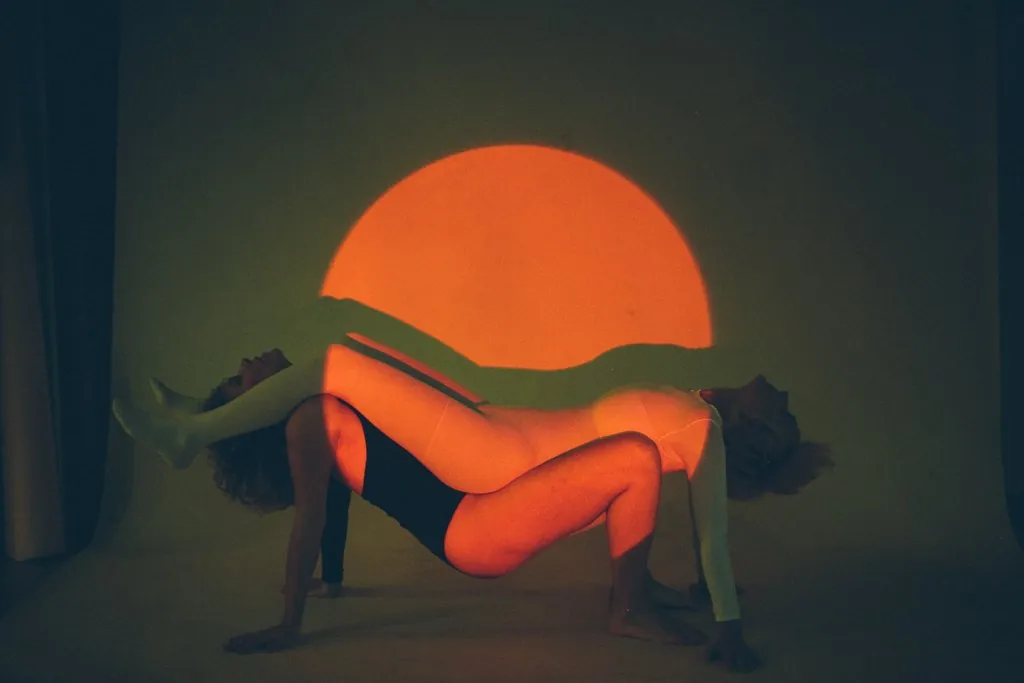
That spring she was working on a book of photographs and phrases she had written over the years, and during those months indoors. In 2018 she said her images added up to a kind of map. In 2020 she used the same word for photography itself. “I think I couldn’t live without taking photos,” she says. “It’s my oxygen, the map to find myself.”
Words by Braeden Alexander. Images courtesy of Martina Matencio.