Mid-tour and deep in a Canadian winter, the Long Beach trio on the care they put into every part of what they make.
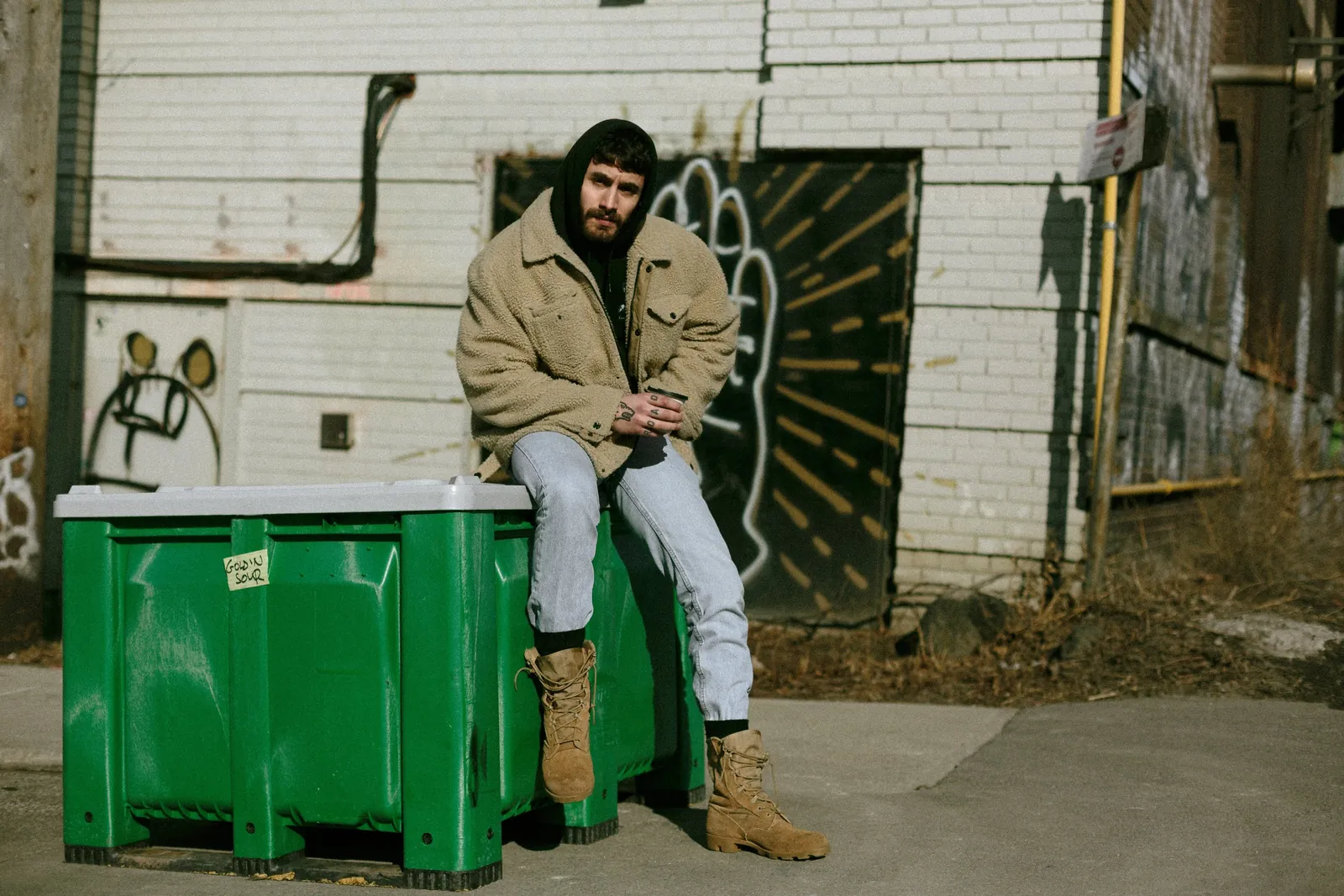
A February blizzard was pounding Toronto when Half Alive pulled into the city, a little after noon. It was the kind of day that makes even southern Ontario wince, and the three members of the band, who call Long Beach, California, home, had come dressed for it in down jackets and heavy boots.
No amount of layering could hide how tired they were. The night before, they’d played a show in Syracuse, New York, packed their gear onto the bus and driven through the early hours to get here. Tonight they would play The Drake Underground, their first concert in Canada.
They were roughly a third of the way through a fifteen-city tour, and they had learned to sleep through the sway of the bus and the beeps and bursts of traffic outside. Going home to a bed that stays still, they said, would take some getting used to.
Before the interview could start, there was the Los Angeles Rams’ Super Bowl loss to discuss. Nobody seemed too disappointed. Then the talk turned to music, and their focus sharpened like the wind coming off Queen Street.
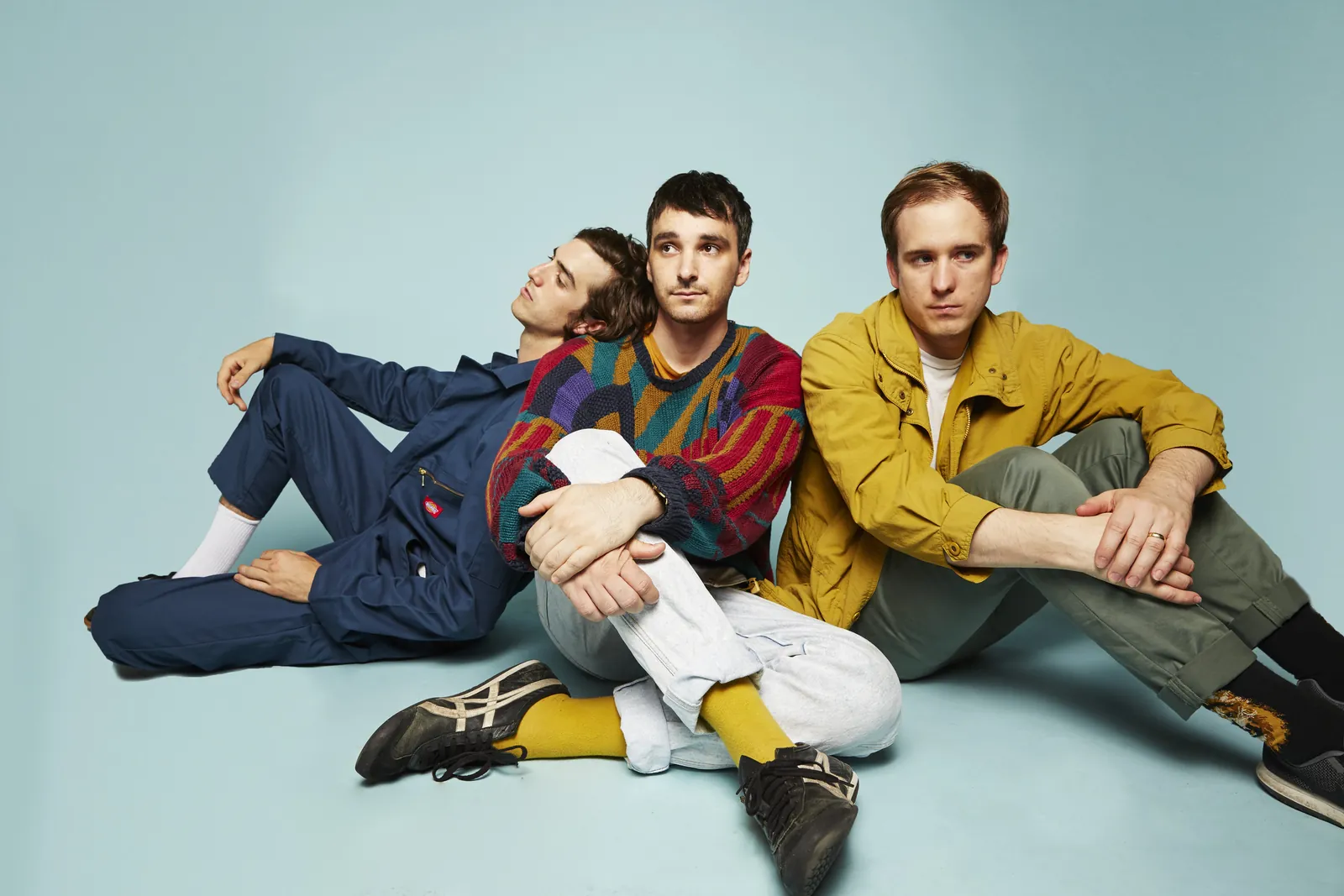
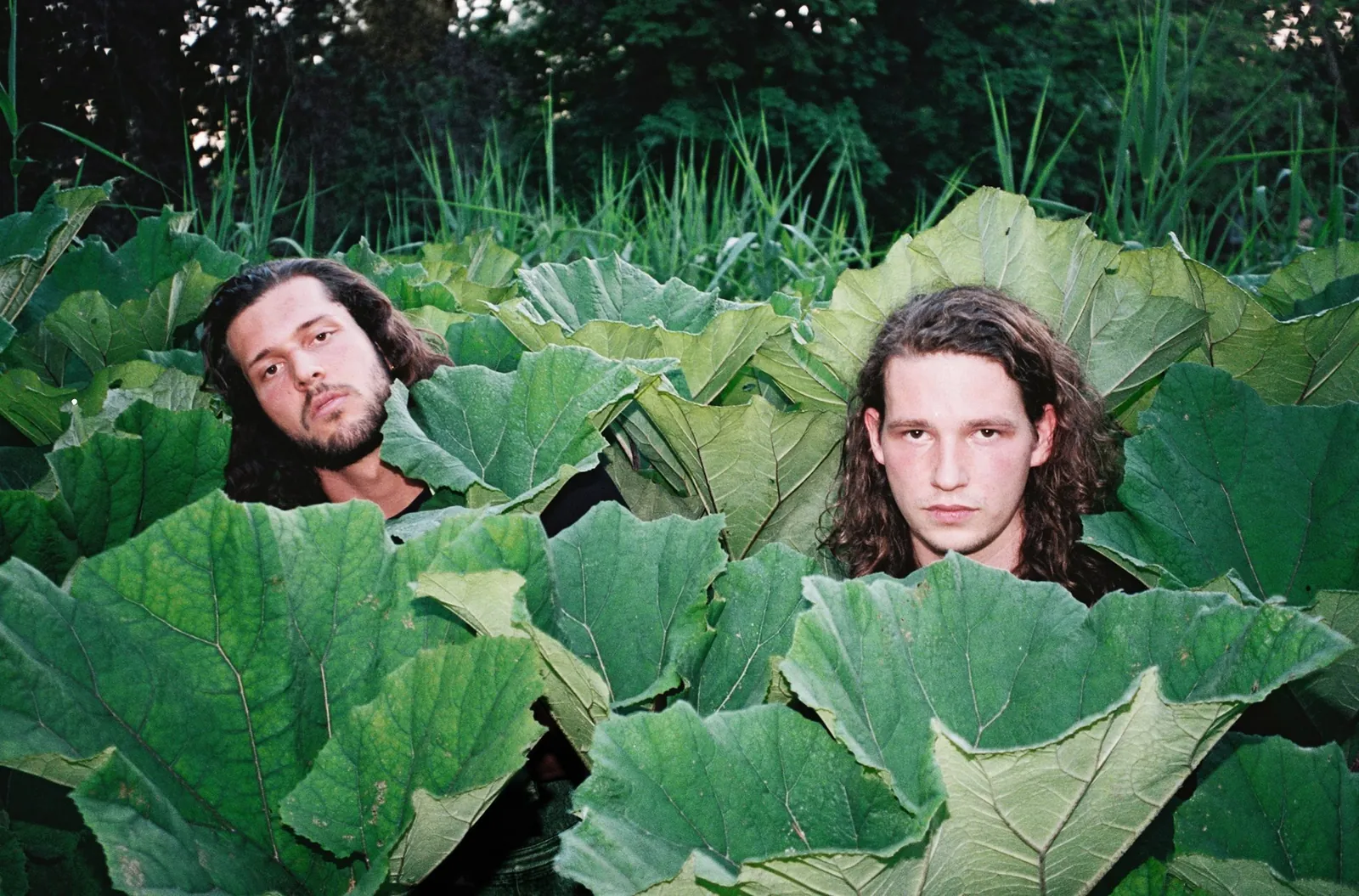
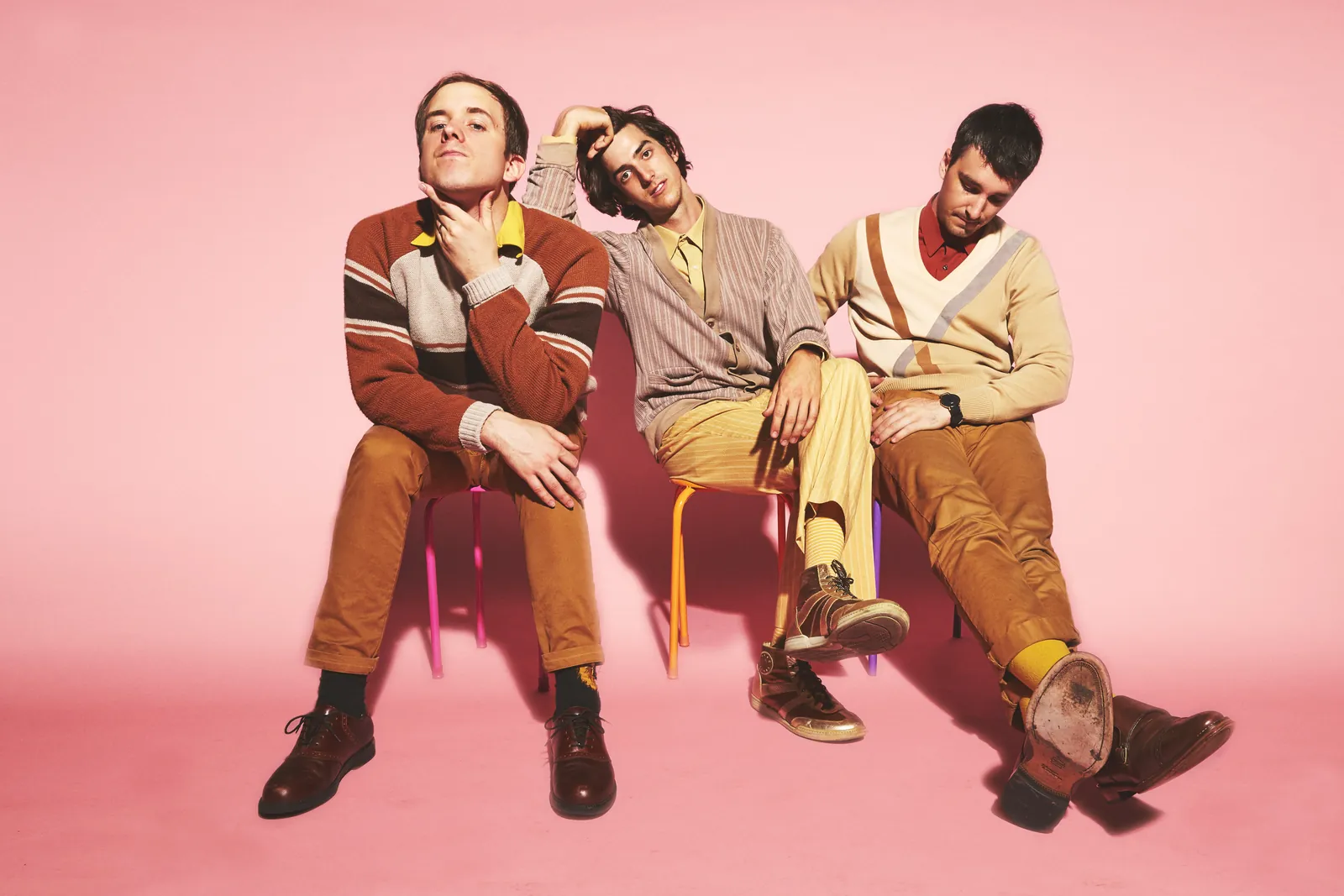
Half Alive is Josh Taylor on vocals, J Tyler Johnson on bass and Brett Kramer on drums, and the first thing you notice is how deliberately they work. “From our recordings, to the shows, to the music videos, we’ve been very attentive to what we’ve put out,” says Kramer, the most measured of the three.
On record, their songs are big and glossy, layered with reverb and deep bass, made for indie radio. On stage, the trio strips them back to something rawer. “There is just a natural energy to the show that’s a little bit more rock ’n’ roll,” Taylor says.
There is just a natural energy to the show that’s a little bit more rock ’n’ roll.
Taylor also oversees the band’s visuals, and he treats a video with the same seriousness as a song. Take “Still Feel,” their breakout single. Its video is drenched in 1970s oranges and browns, all corduroy jackets and wide lapels, and it is choreographed to unfold as what looks like one unbroken shot against a set of glowing blue squares, like an early computer screen. The aim, as Taylor puts it, is for every part of the band’s work to carry “the same amount of wonder and captivation and care.”
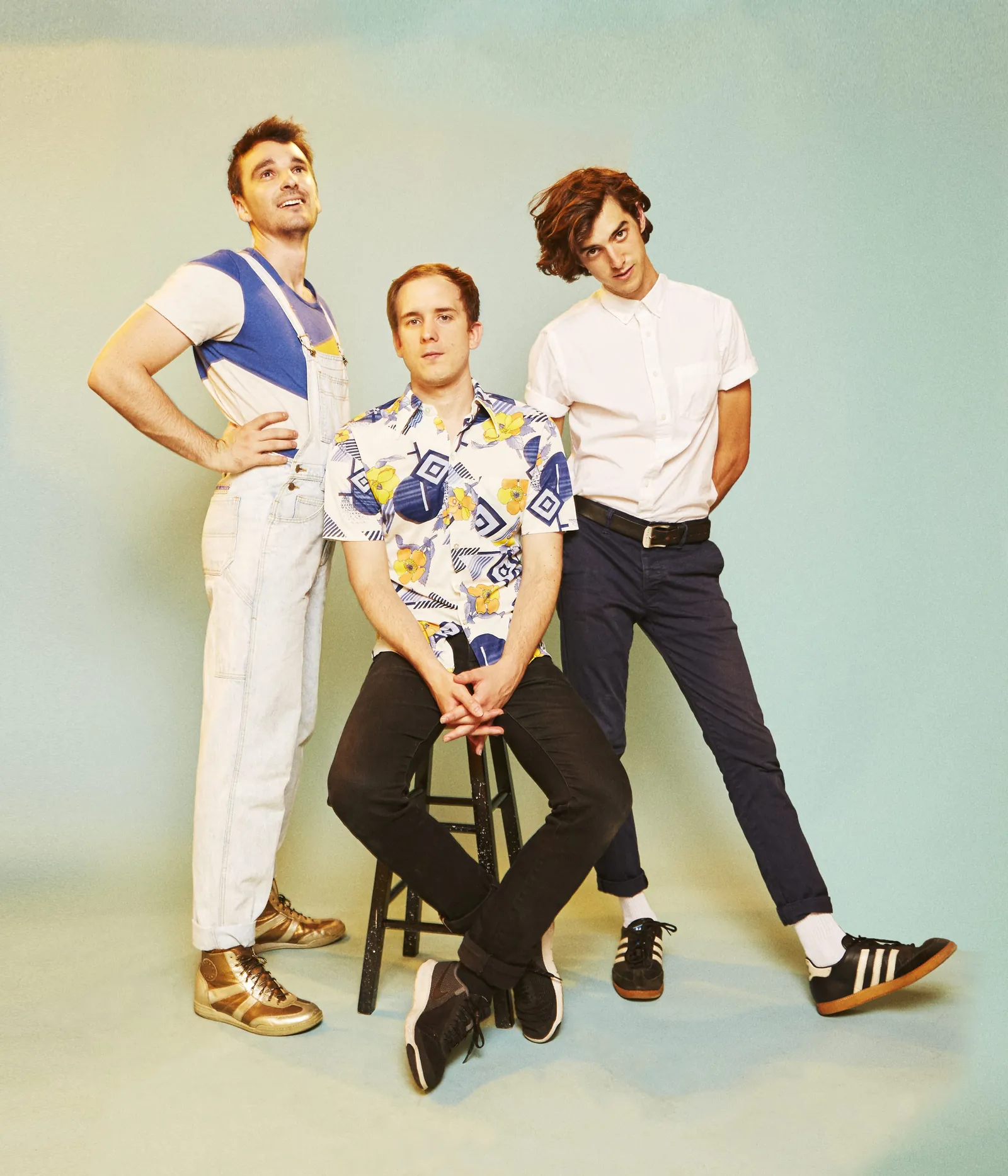
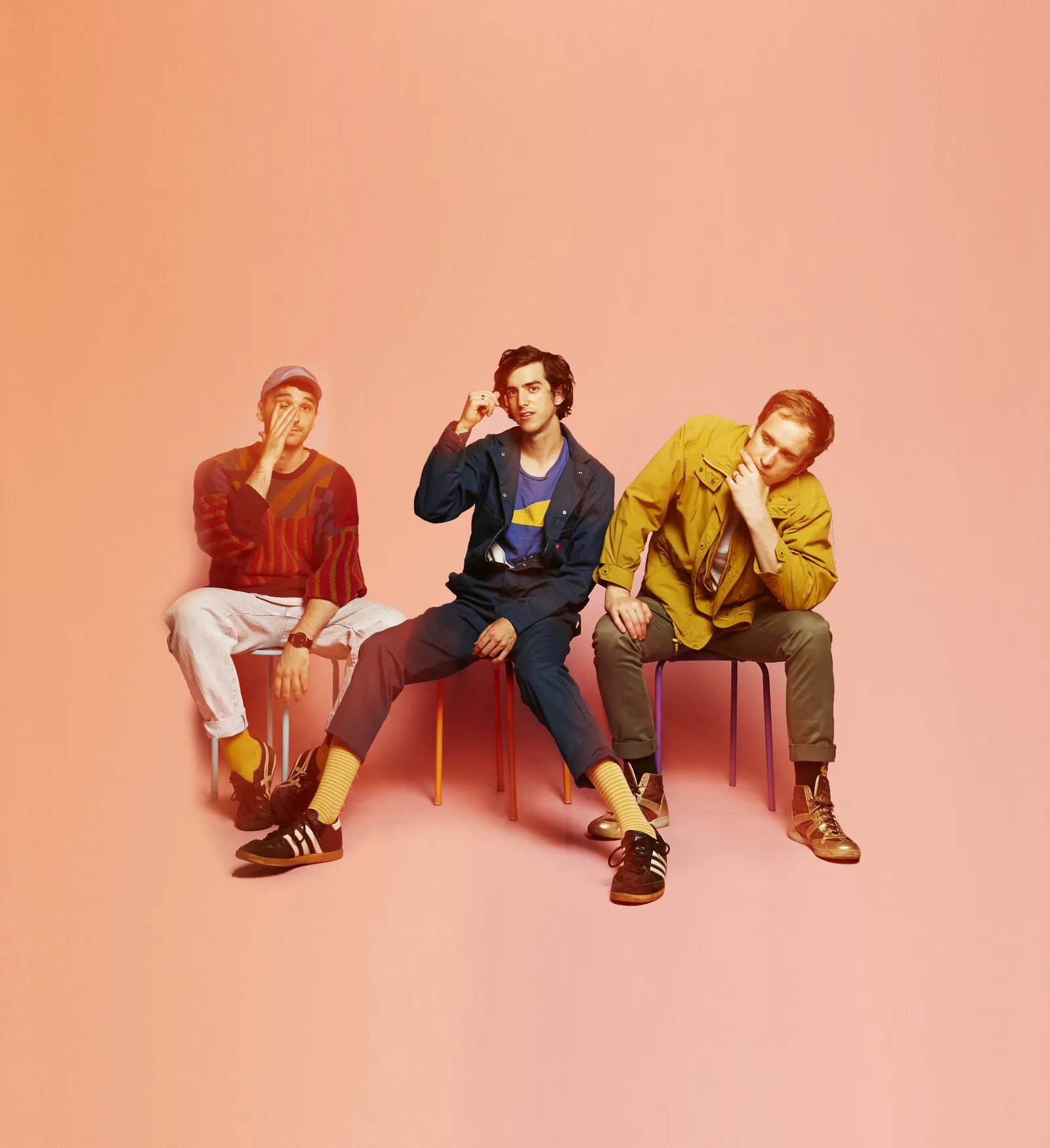
That care extends to where they make music. The band’s first EP was recorded in an unlikely place, a helicopter hangar in the Mojave Desert that had been converted into a recording studio, and the sun of that setting seems to run through their roaring bass lines and stacked harmonies.
“I think we’re really choiceful in going to different areas just to be in a different space and I think the difference in atmosphere really inspires,” says Johnson, the band’s resident philosopher. “We try to get out of our normal situation. I don’t know if, per se, that seeing water versus snow or mountains would inspire a different song, but just anywhere that’s not the beach or our street is very inspiring.”
One of them compares the Mojave to the world of “Mad Max,” and it is a relief to report that their desert sessions went ahead without a single leather-clad raider in sight.
Outside the hotel window, Toronto was doing its best impression of the opposite landscape. Grey slush lined the curbs and the wind cut down Queen Street. If the desert gave Half Alive their sound, it will be worth listening for what a Canadian blizzard leaves behind.
Words by Sam Farrell. Images courtesy of Half Alive.