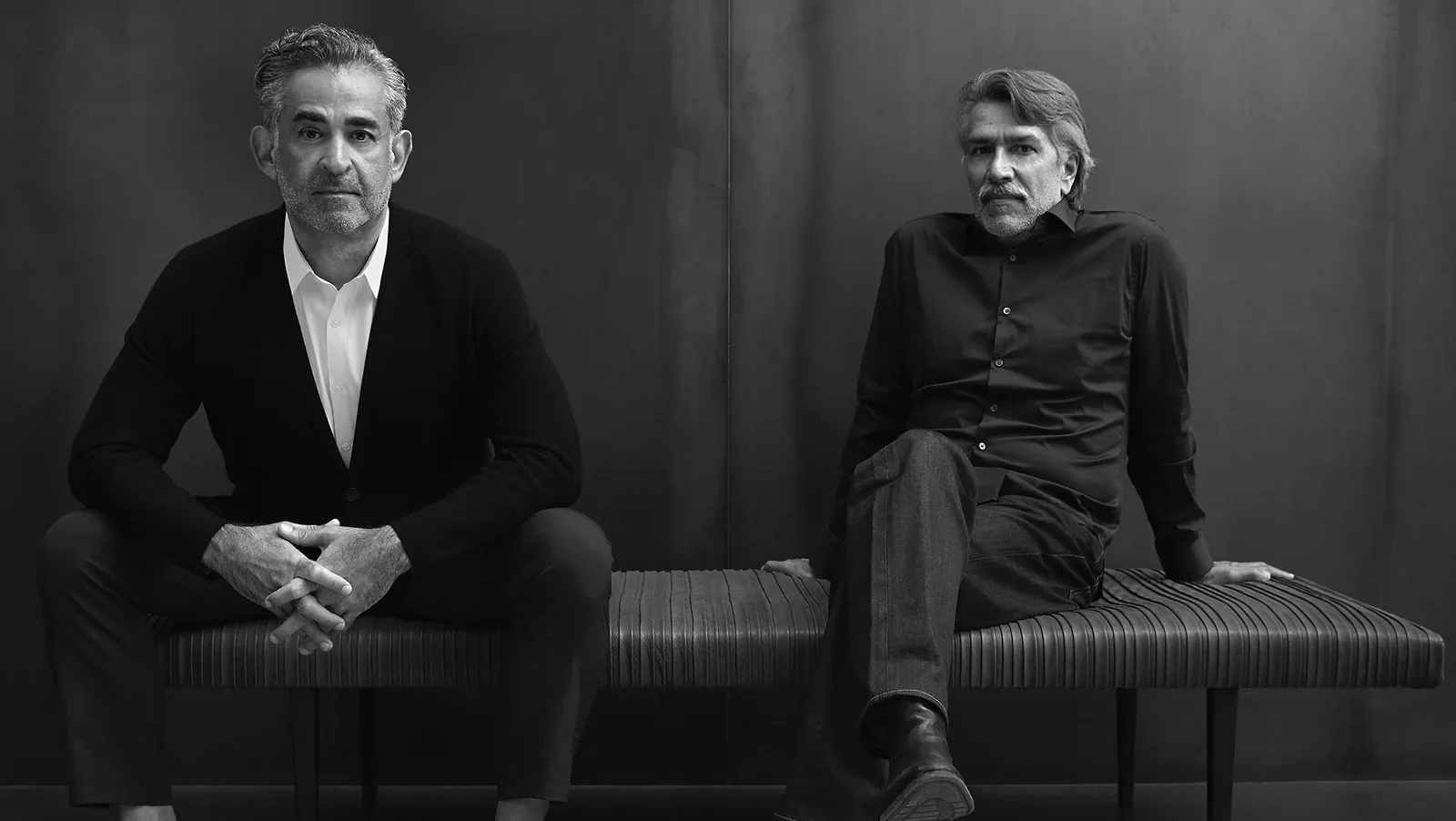
He made his name with rammed-earth houses in the Arizona desert. Then his studio designed a train station in Princeton.
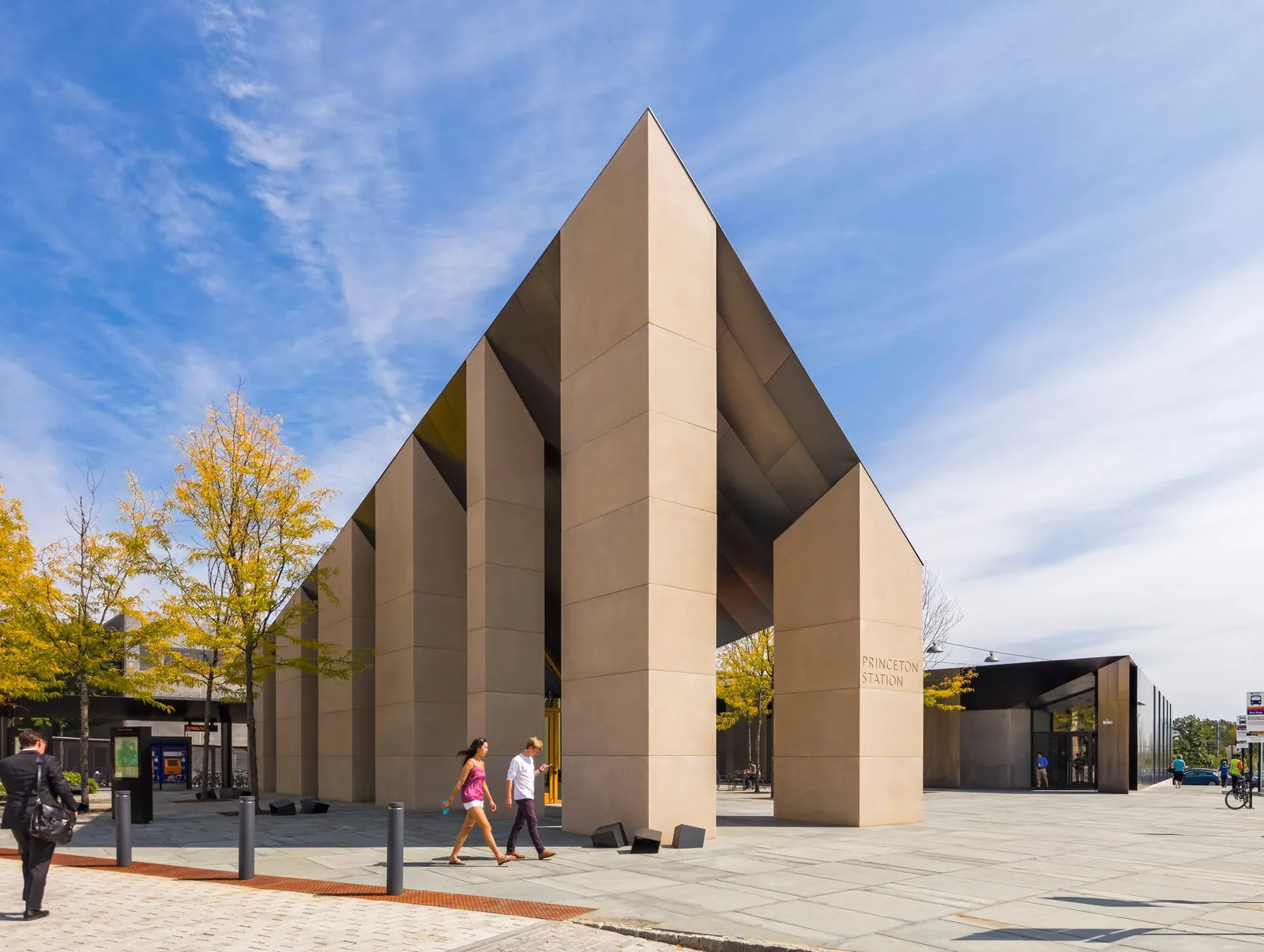
At Princeton Transit Hall, students and academics in winter coats cross a plaza between two low buildings on their way to the train. A dark steel roof angles down toward the tracks. Concrete pillars hold it up, and inside, walnut benches sit under tall glass windows. The station was designed on the other side of the country, in Tucson, Arizona, by Studio Rick Joy.
The station opened in 2014, and it is the kind of project the studio could not have landed when Joy founded it in 1993. He sees it as a marker of how far the practice has come. “We are part of an evolution, we need to live with that in mind,” he says.
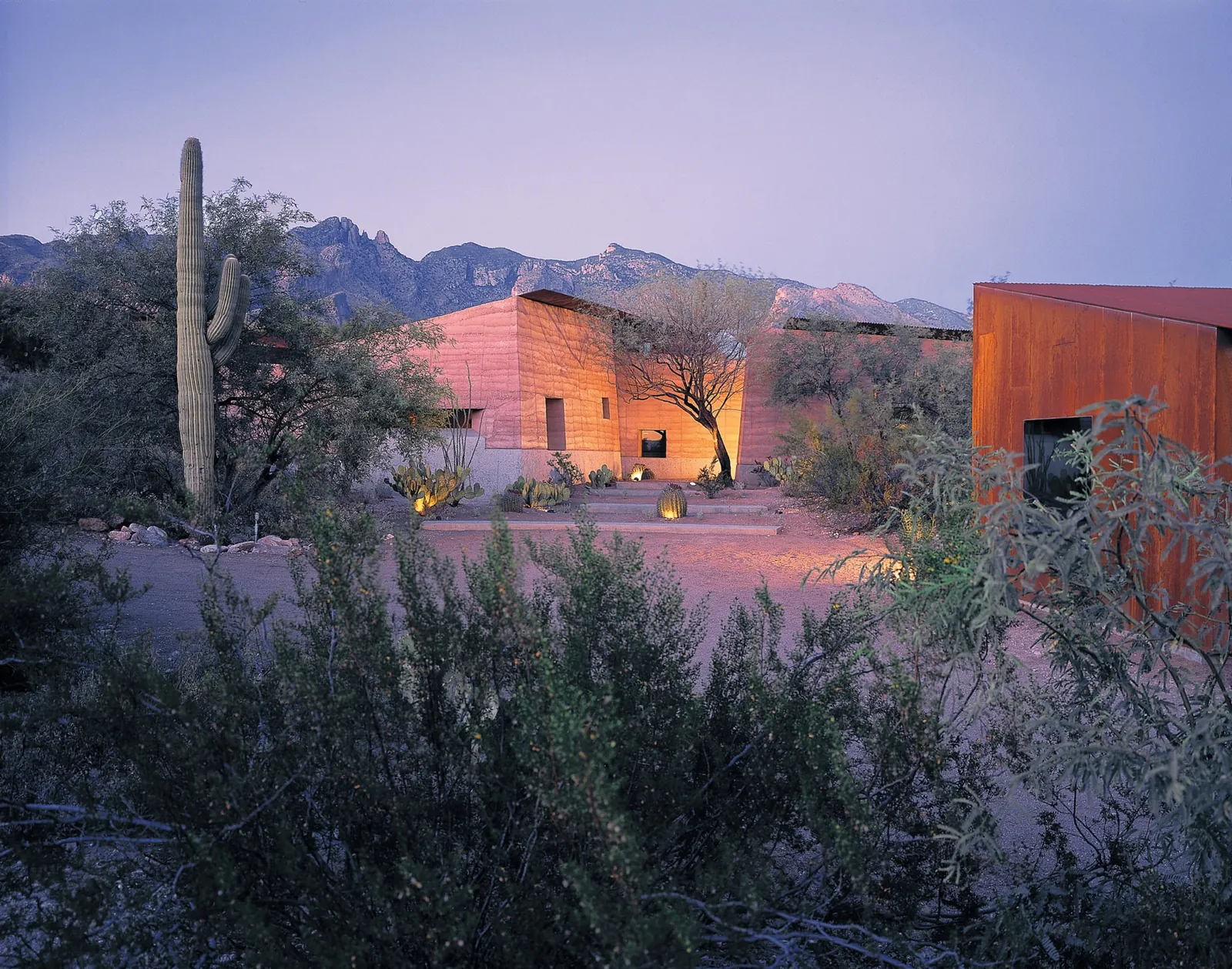
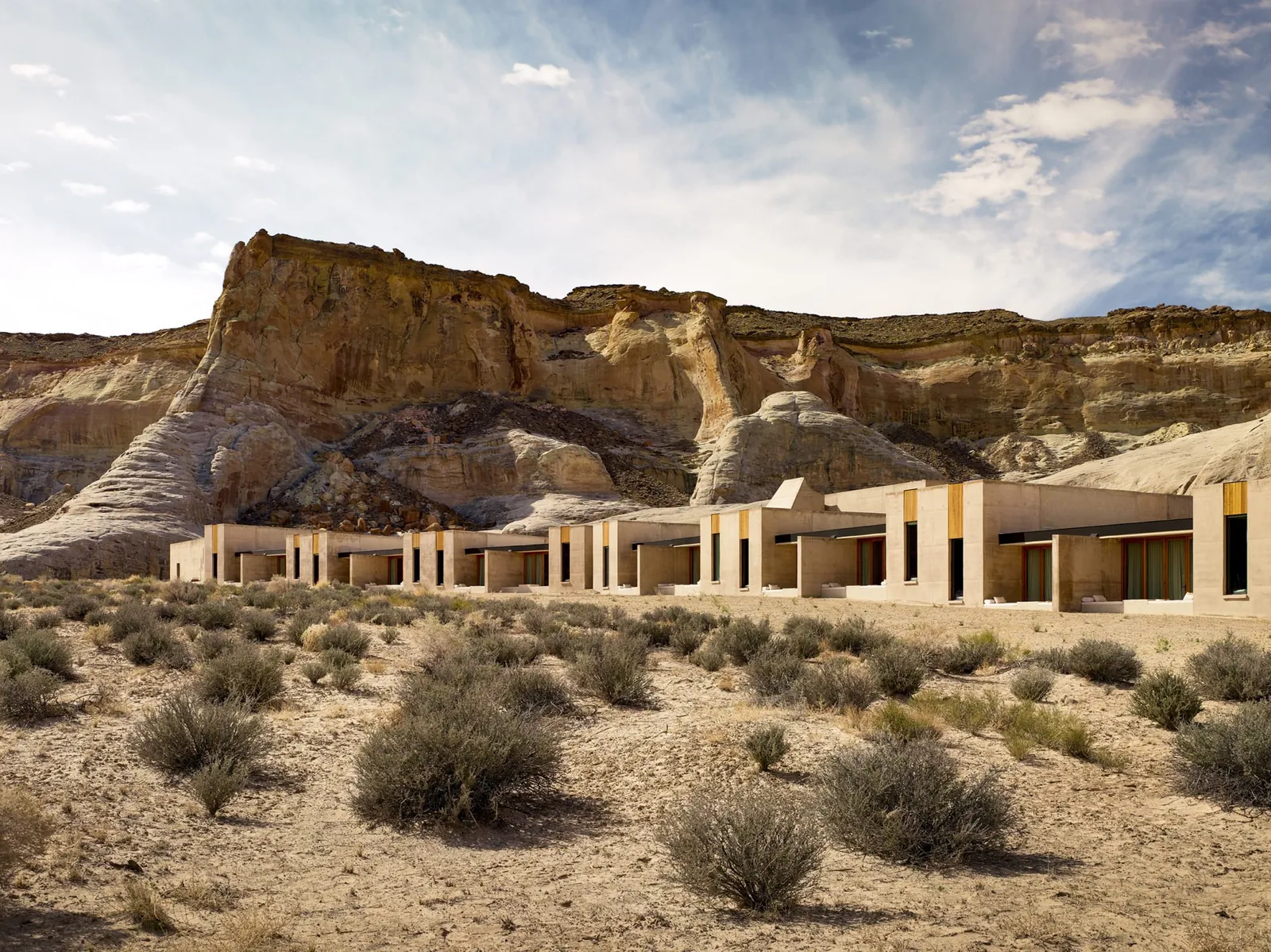
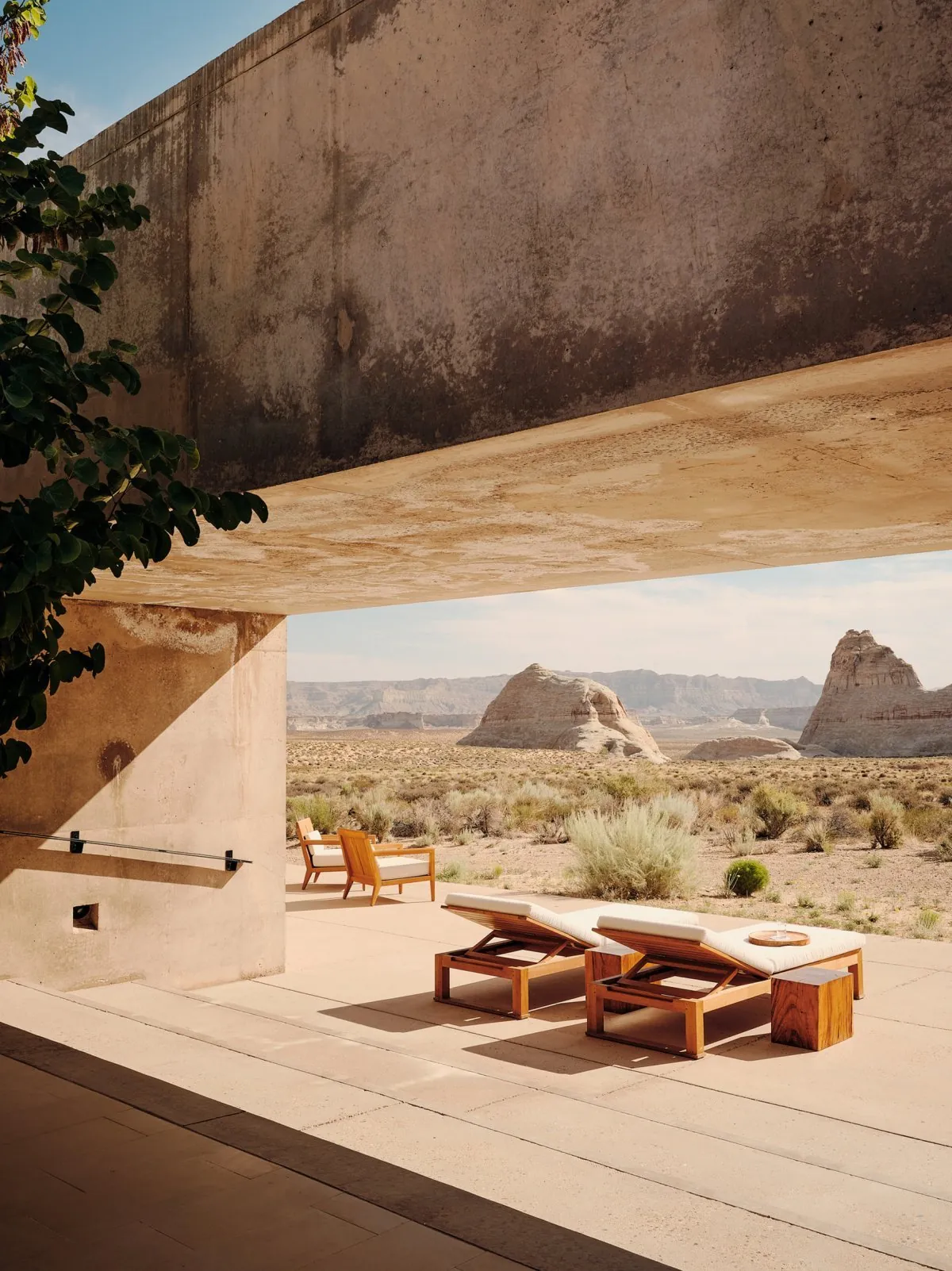
The studio made its name in the desert, with houses built of rammed earth: sand, clay and gravel compacted into thick walls. Those early houses filled its first book, Desert Works, in 2002. “Starting out working in Tucson, many of the projects were rammed earth, weathered steel or galvanized steel, which are good materials for this type of place,” Joy says. “And then once I moved onto Vermont, for example, we used cedar shingles because in that type of environment there’s such extreme freeze-thaw and temperature swings and stuff that you need the ability for the material to expand and contract in individual pieces.”
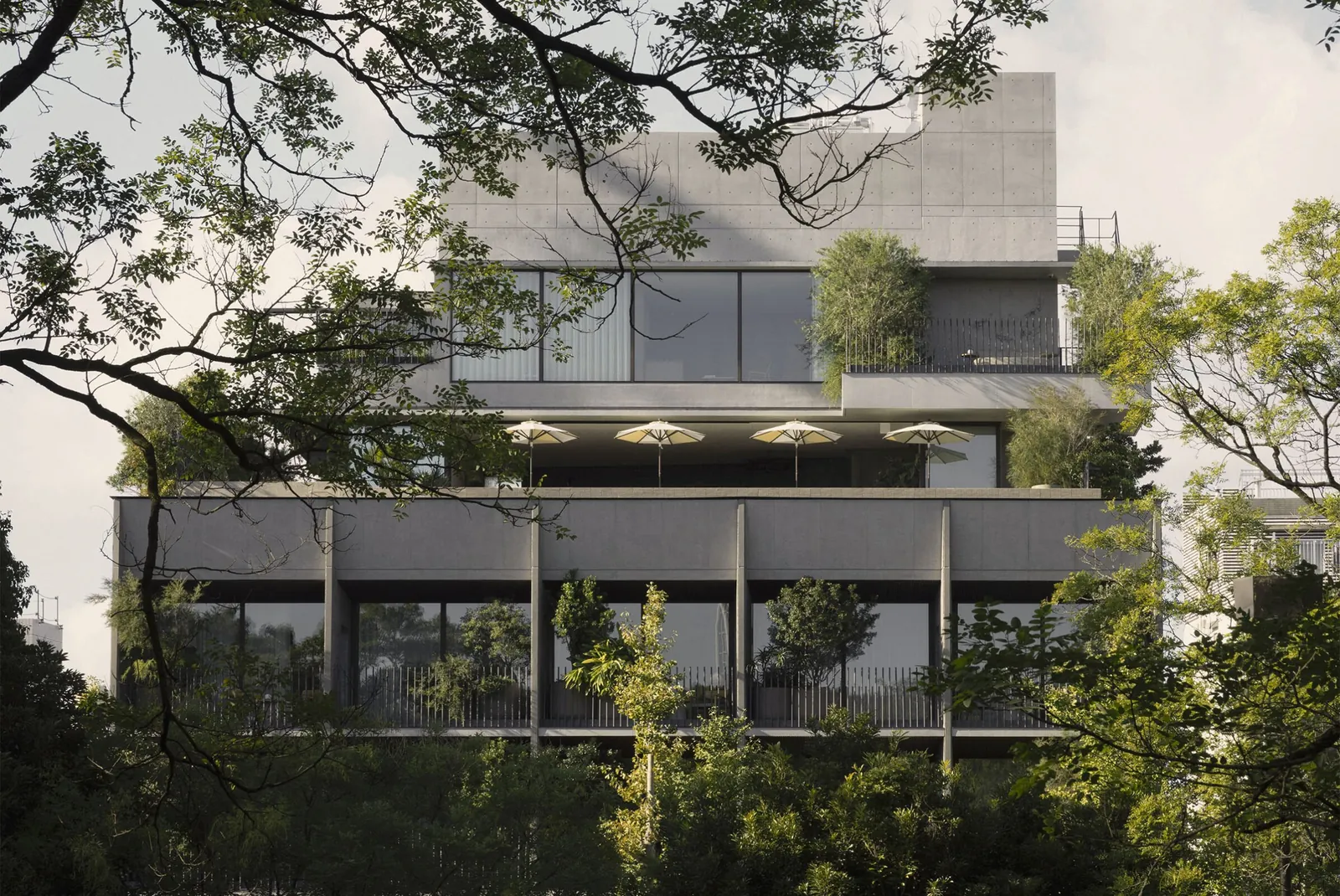
Since then it has been white concrete in Turks and Caicos and copper-lined belvederes on a house on the northeastern coast. Which is how an architect still best known for one material can say this: “I don’t have a signature style. My style is derived from the location I’m building in.”
The people who know architecture know him, even if the public doesn’t. “All serious architects in the U.S. know of his work,” says Mark Lee, chair of the architecture department at Harvard’s Graduate School of Design, where Joy has taught. “His dedication to material practice, his dedication to finishes of buildings are very unlike many American practices.”
Lee puts him in a particular company. “I think he belongs to a group of perennial outsiders who are on a slow burn. They are very good, they’re very serious, not on a fast track, but pursuant to old architecture interests, with a certain tenacity, quirkiness and also confidence,” he says. “He’s been producing quietly subversive work without keeping up with the latest trends and I think that’s something that’s his strength.”
Matt Luck, the senior designer who led the Princeton project, saw that in the work before he met the man. “When I graduated from Cornell with my master’s degree, Rick’s office was the only one I actually applied to work at,” he says. It was that or teaching. “Desert Works had been out for a few years. The work was heavy, unapologetic and it sort of took a stand.”
Inside, he found an office that works from the site out. “We don’t really have a specific architectural style, we’re not going to drop a white house in the middle of nowhere,” Luck says. “What we’re trying to do is be very honest with ourselves and really respectful of the place, so we can come to some truth and work from there.”
It is also an office where the design doesn’t come down from the top. “Rick doesn’t just come in and sketch buildings for us to make real, there’s a lot of offices that’s how it works,” Luck says. “Our office is really much more about the open sharing of ideas, every single employee has a big piece of ownership on these projects and Rick’s the person who fosters that.” Joy describes the office in terms of fairness. “It’s a real equality-driven practice,” he says. “Two people with the same amount of experience, a man and a woman, get exactly the same thing.”
For Luck, the work has been the education. “For me, seeing how he perceives the world, observes the world, takes and makes things from the world has been by far the best experience of my professional career,” he says.
The studio marked its 25th year with a second book, Studio Joy Works. Joy’s own measure of success is borrowed from the Australian architect Glenn Murcutt: “You do the best you can at what you do and you make sure nobody recognizes you at the beach.”
Words by Daniel Lebaron.