Two Berkeley classmates, years of phone calls between Los Angeles and San Francisco, and a garage office: the long road to Garcia Tamjidi.
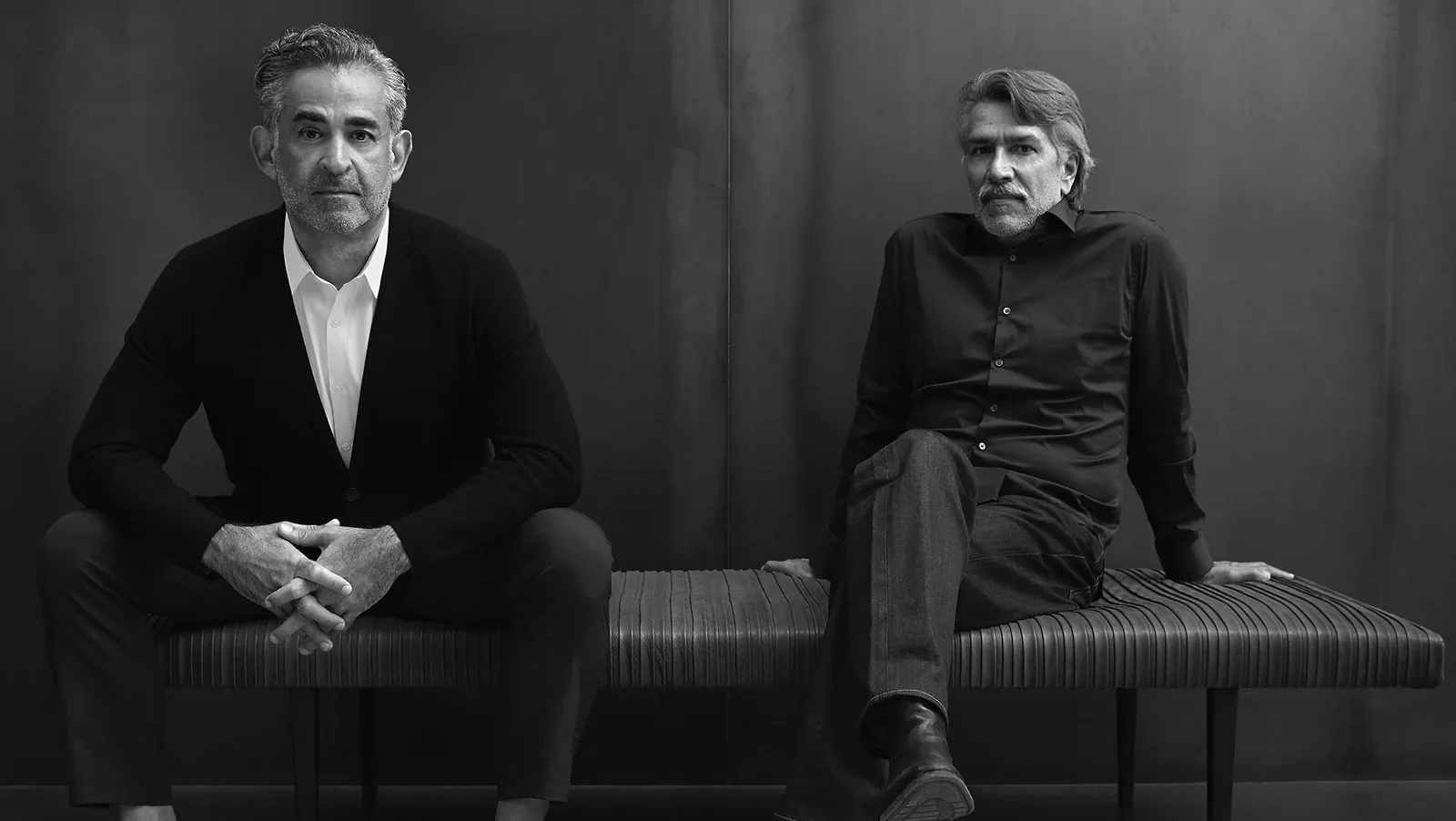
In the mid-1980s, before Silicon Valley became the world’s tech capital, Michael Garcia and Farid Tamjidi were architecture students at UC Berkeley. They often toyed with the idea of starting a firm together, though back then it was more daydream than plan.
“There were 20-30 of us,” Tamjidi recalls of their student days. “We became a sea of desks.” Pushed together, those desks were where they worked through every term.
When they graduated, the firm had to wait. Both went to Kaplan McLaughlin Diaz, a renowned San Francisco firm with projects around the world, and both felt hemmed in by its corporate structure. Tamjidi eventually moved to Los Angeles while Garcia stayed in San Francisco, but they never stopped talking. “We would talk by phone a lot,” says Garcia. “Farid would tell me what was happening in LA, and I’d do the same for San Francisco.”
In 1997, they finally did it, launching Farid Tamjidi Architects, which later became Garcia Tamjidi. The start was humble. “We started in a small garage,” Tamjidi says. “We relied on our own money and the relationships we’d built. The biggest leap was hiring our first employee.”


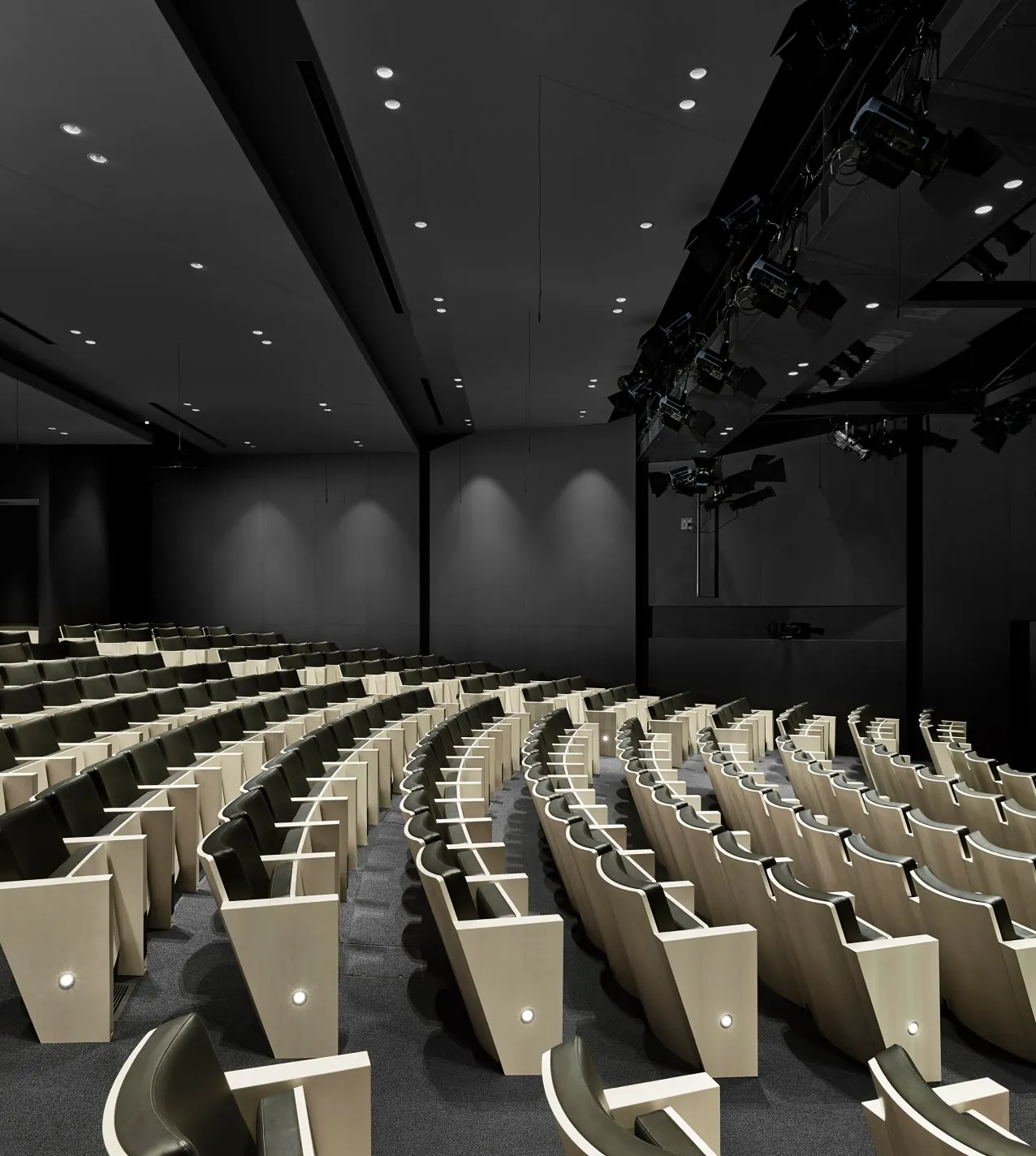
The firm grew from there, known for simple forms and carefully resolved buildings. “Problem-solving, that’s the exciting part,” says Garcia. “We design with a sense of permanence.”

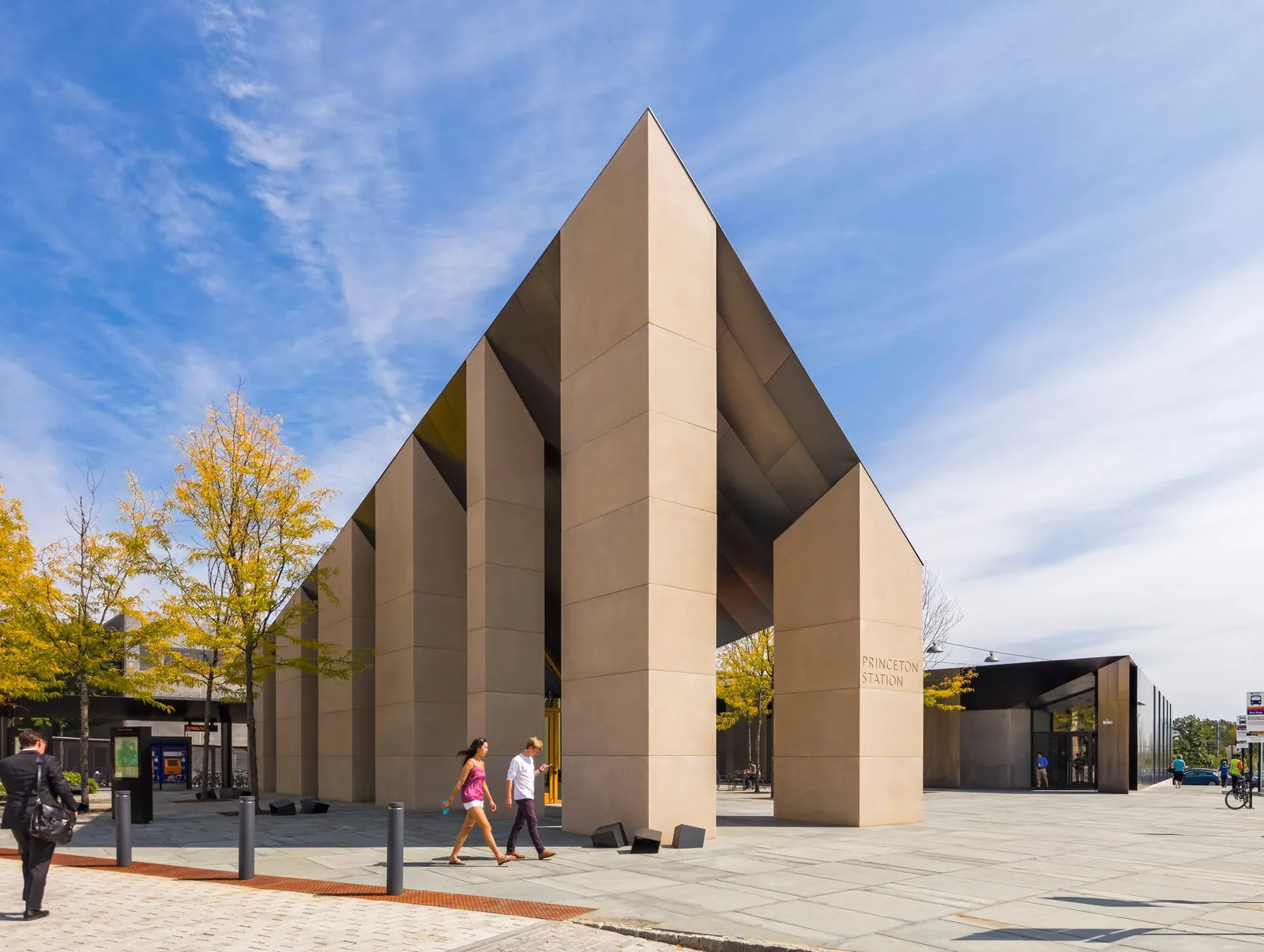
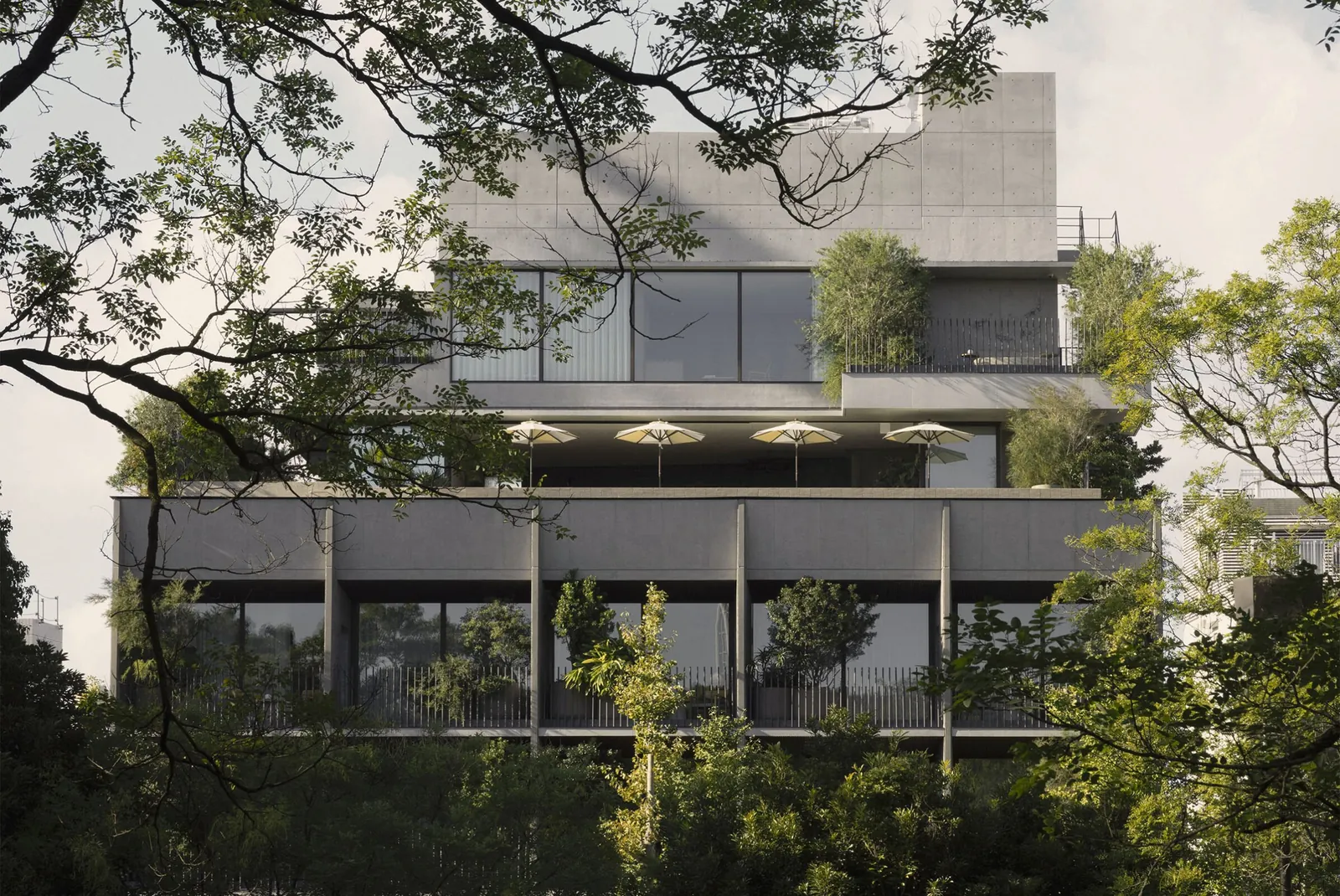
Their work runs from private homes in San Francisco to larger commissions such as the Apple Theater in Silicon Valley and two projects for Kendo. Erin Hunter’s San Francisco home, which the firm completed in 2012, is one of them. “Michael and Farid took the time to help us articulate our priorities and designed a home that exceeded our wildest imaginations,” she says. “They transformed ‘storage and an open floor plan’ into what is now our incredible jewel box in the sky.”
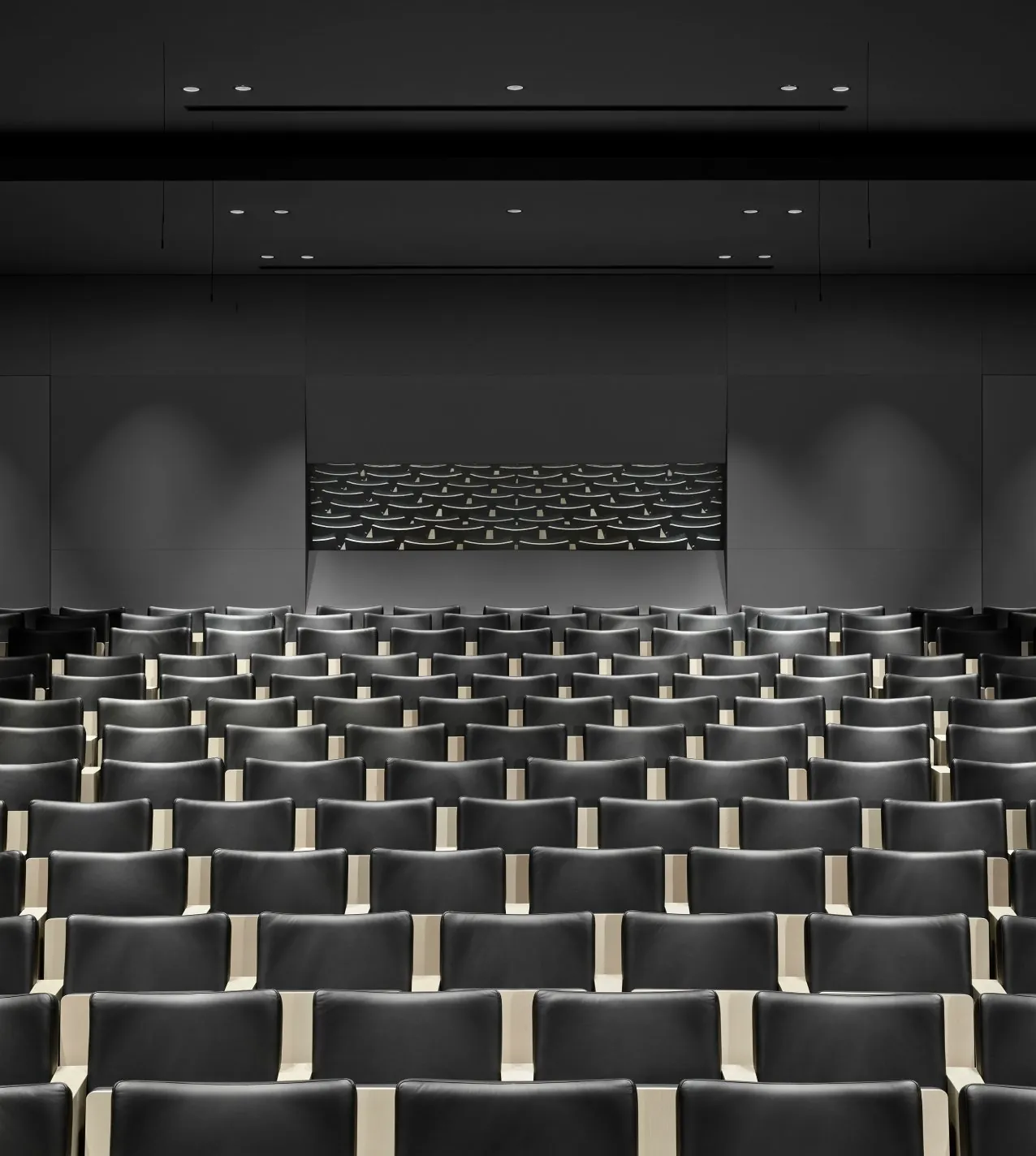
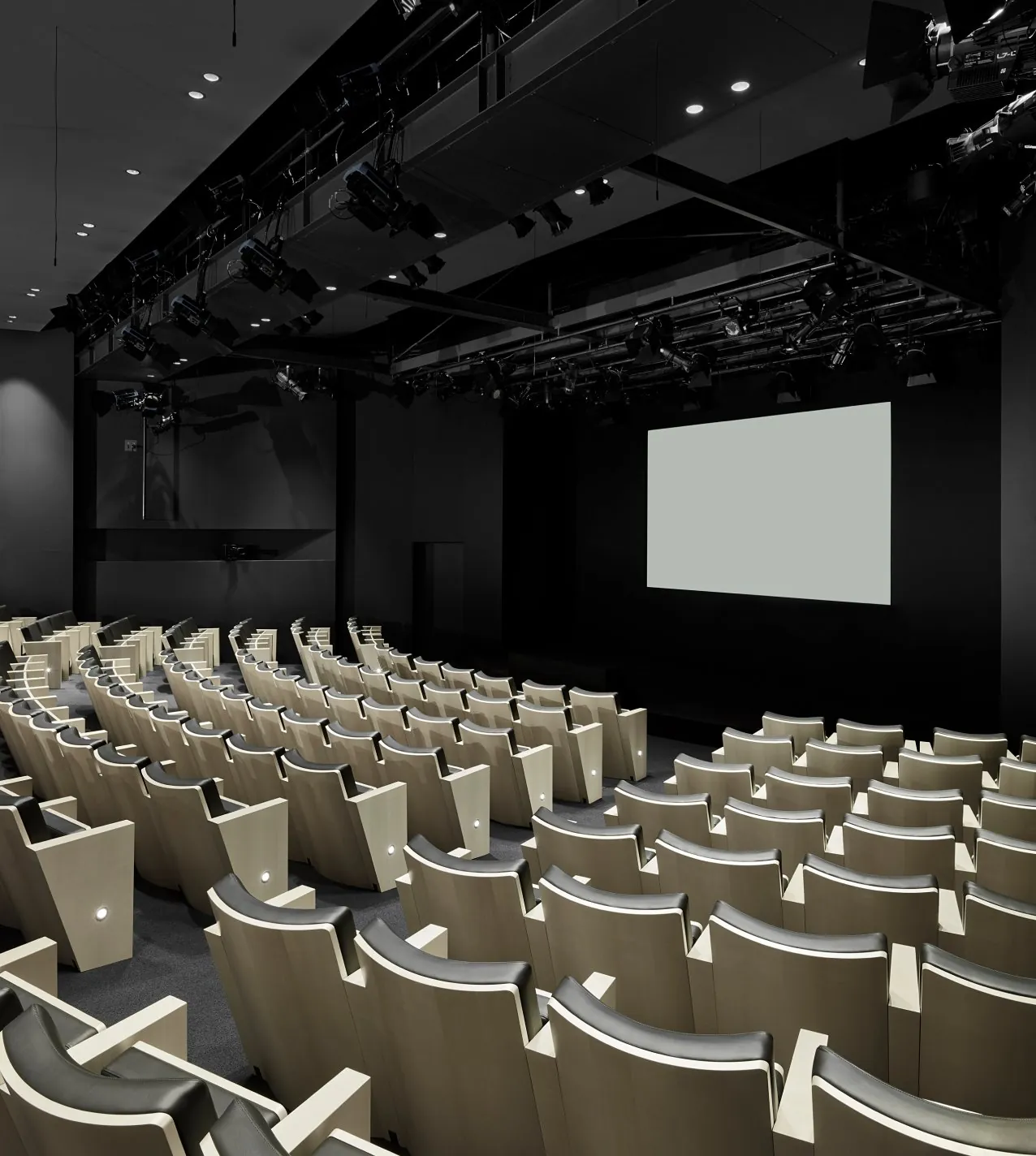

Inside the studio, Tamjidi wants every employee to be a “generalist,” encouraging versatility across the board. In 2018, the firm marked two decades with a monograph of its work.
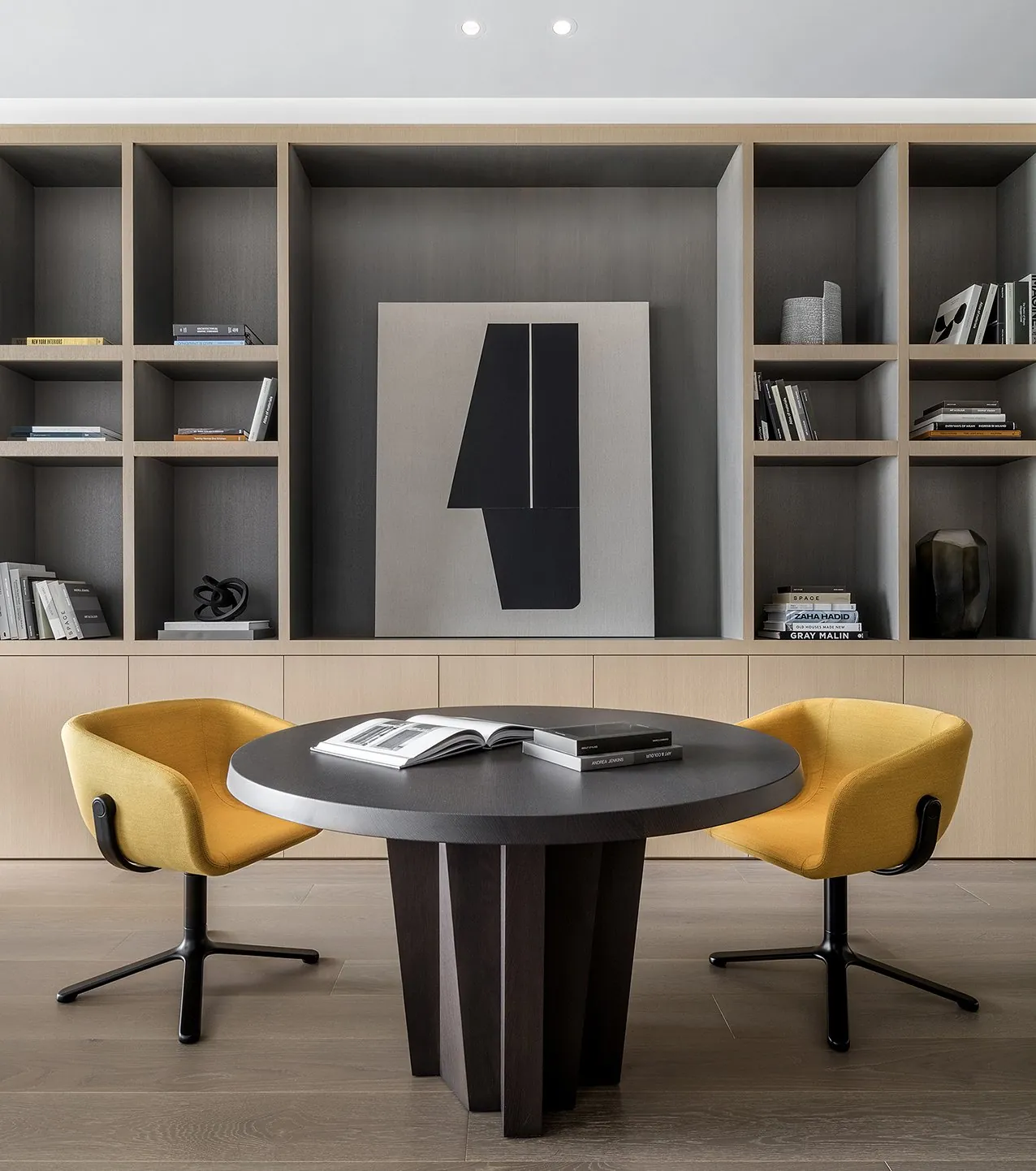
People often call that work minimalist. Tamjidi puts it differently. “It’s a reductive, utilitarian approach to problem-solving,” he says. Asked to name a standout project, Garcia doesn’t hesitate. “Our signature project is always the next one.”

And their advice to young architects who share the daydream they had at Berkeley? “We would’ve started sooner.”
Words by Daniel Lebaron.