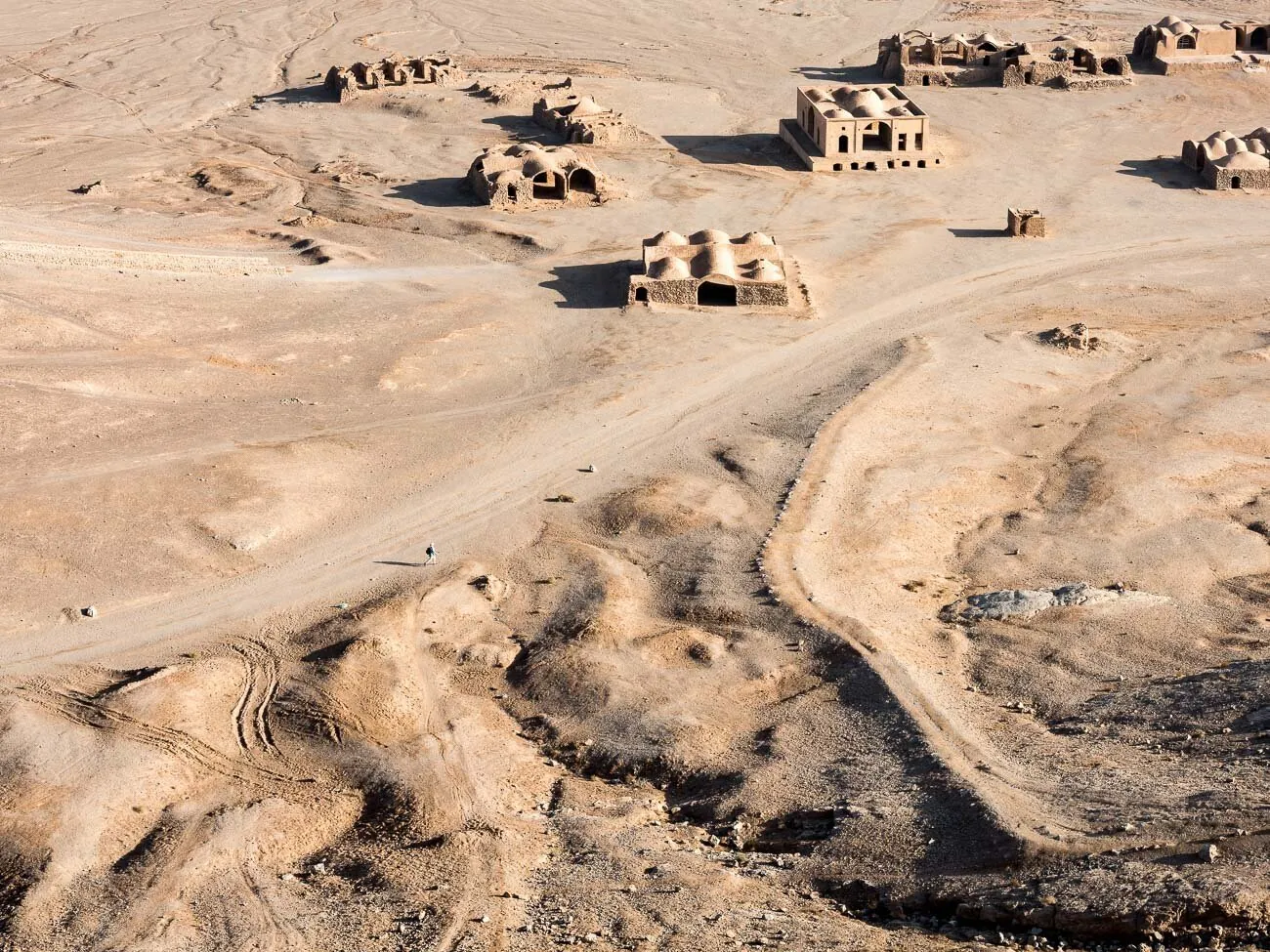
Photographer Edouard Sepulchre rode through the deserts of North Africa and the Middle East. The landscapes were empty. The people were not.
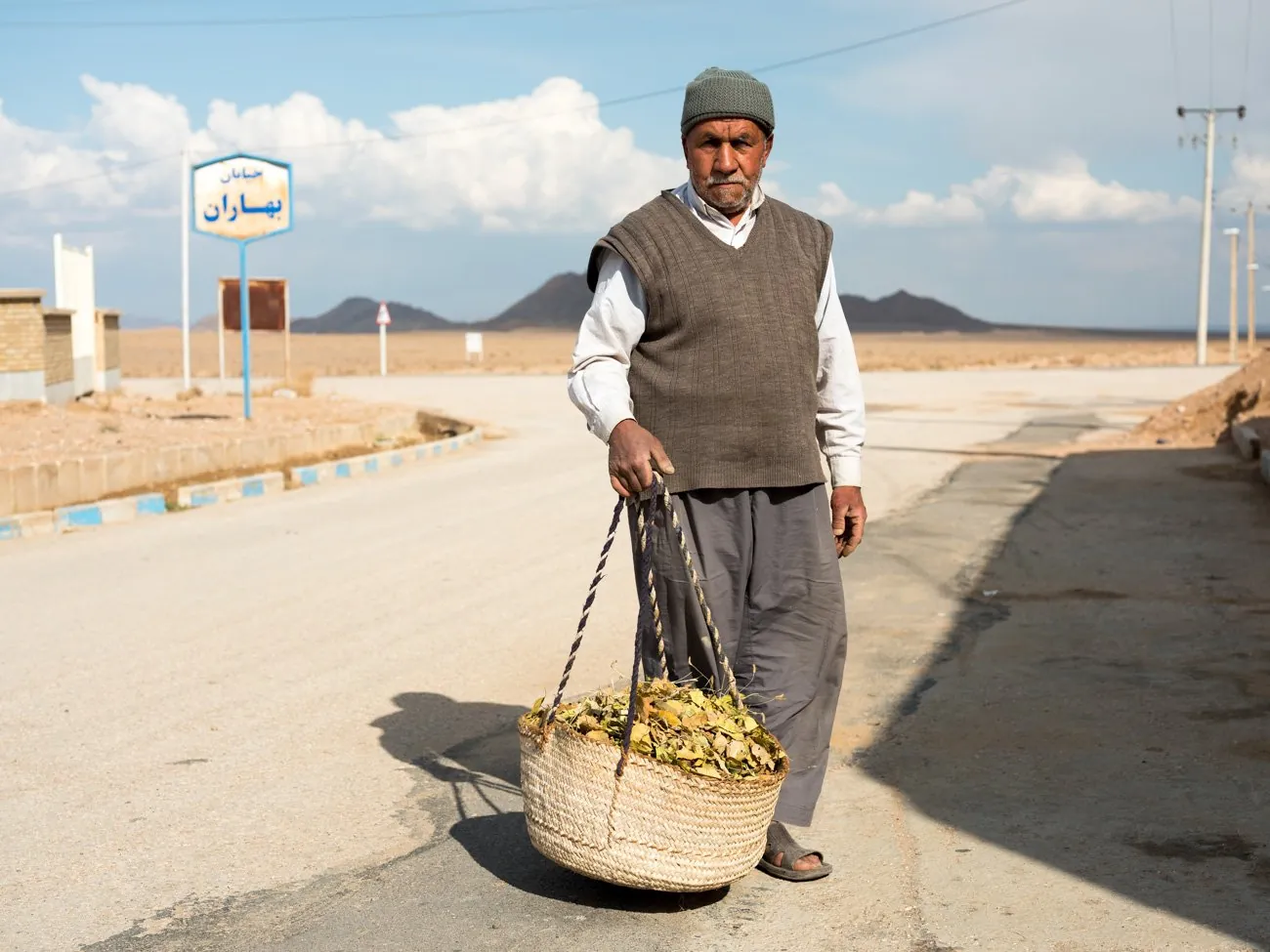
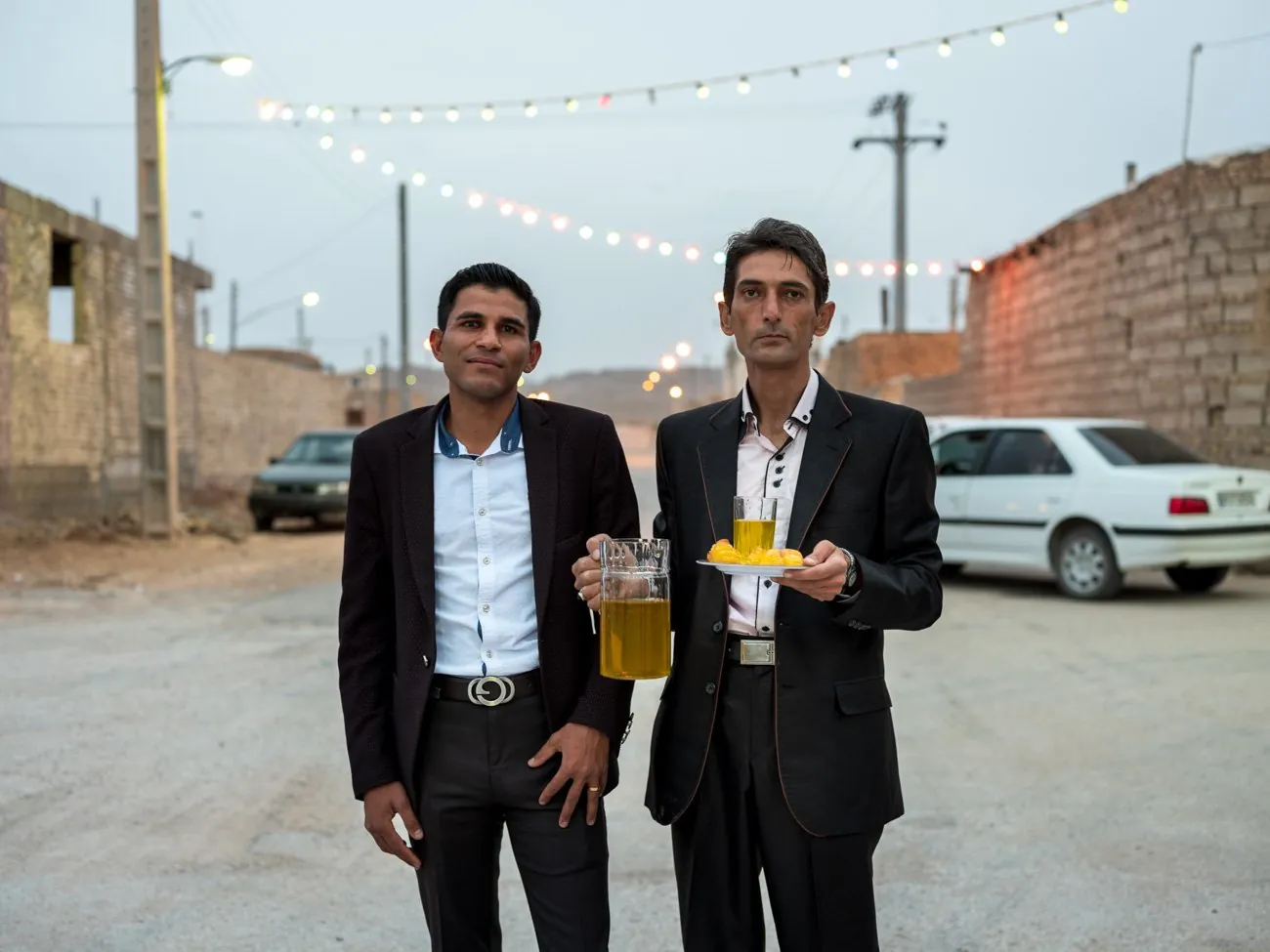
Edouard Sepulchre had stopped to photograph a street corner. It was evening in Khur, a small town in Iran’s Isfahan Province, lights were strung across the road and the last of the sun was falling on the buildings. Nearby, a wedding party was under way.
“Soon enough, these two men came out into the street to offer me food and drink,” he recalls. “A few minutes later I was invited to join them in the house.”
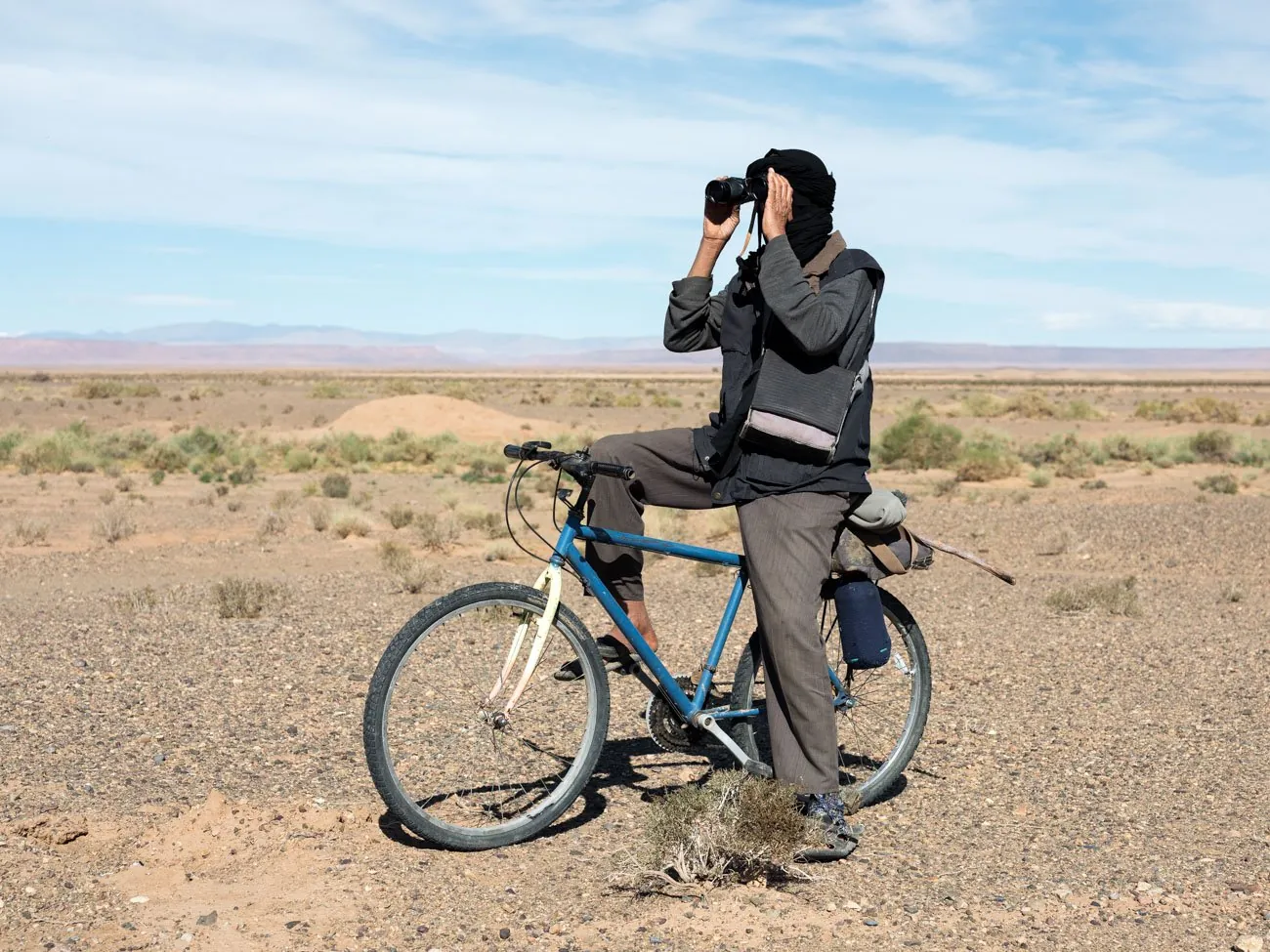
Encounters like that became the heart of the journey. The Paris-based photographer spent six months cycling through the deserts of North Africa and the Middle East, and the people he met along the way are as much a part of his series Dry Land as the dunes. “On a bike, you naturally attract kind people,” he says. “You’re like a magnet with them, especially when you’re alone. The curious and generous ones want to talk with you.” The warmest welcomes, he says, came from the Berbers and the Balochs.
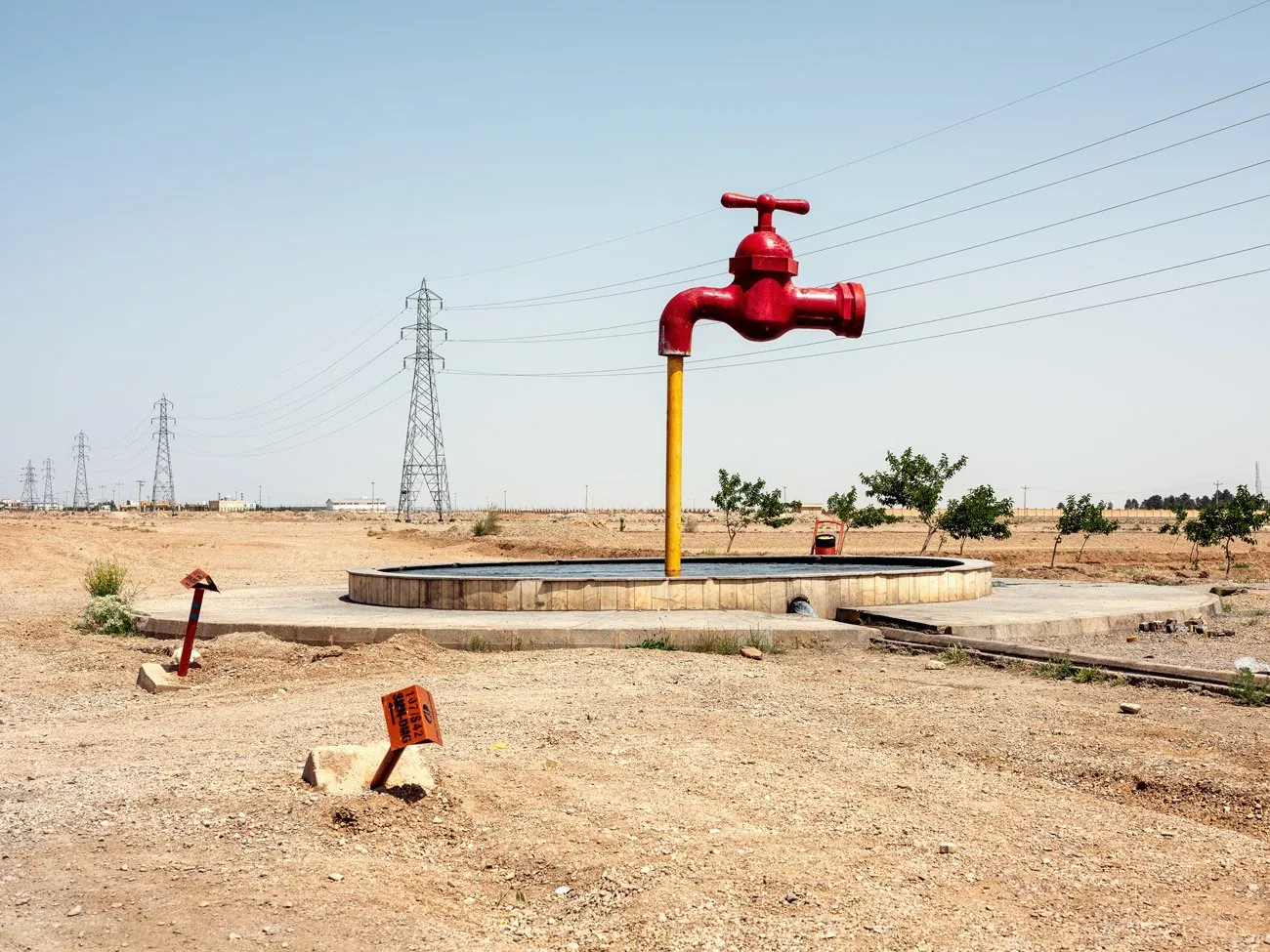
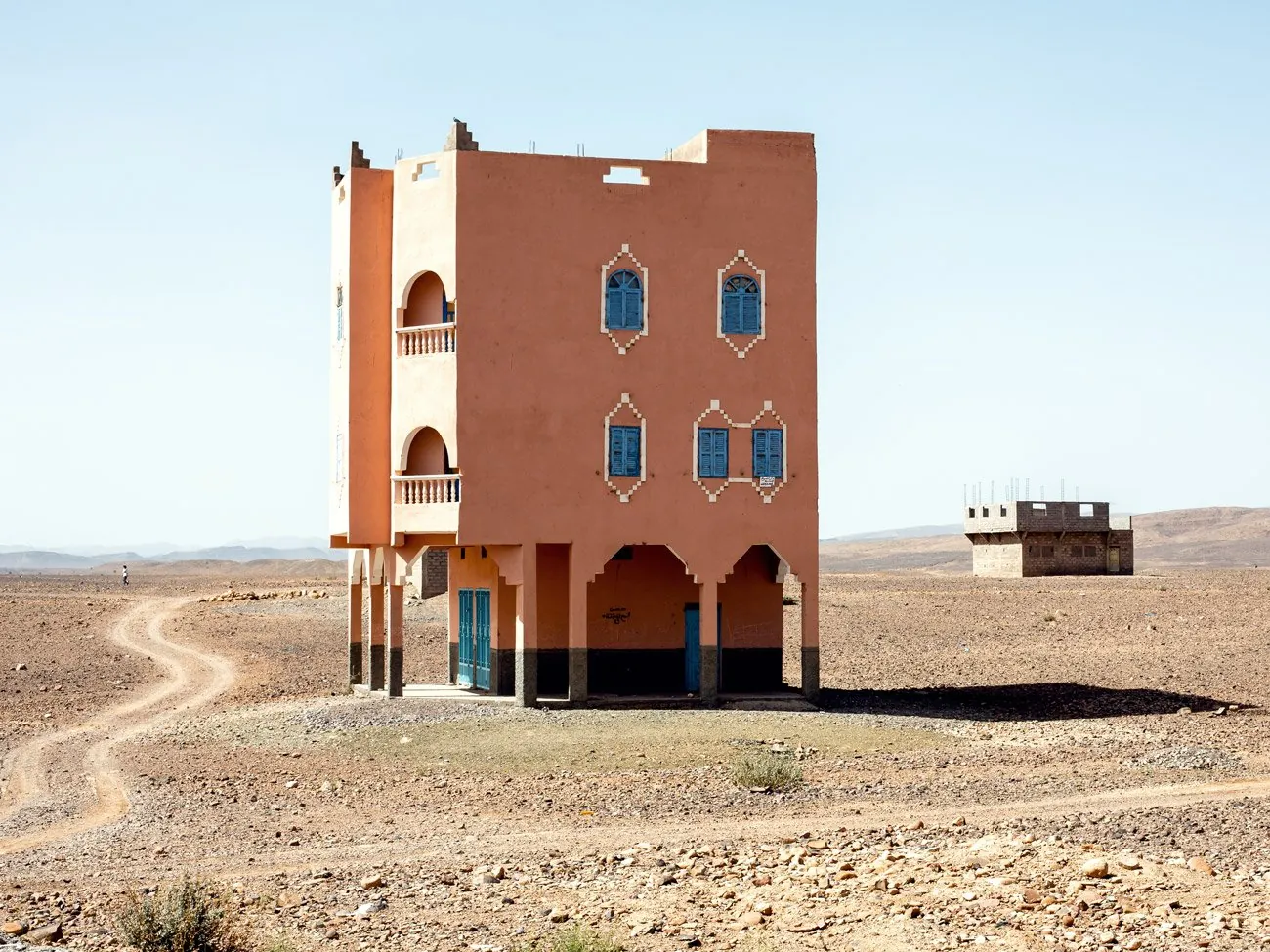
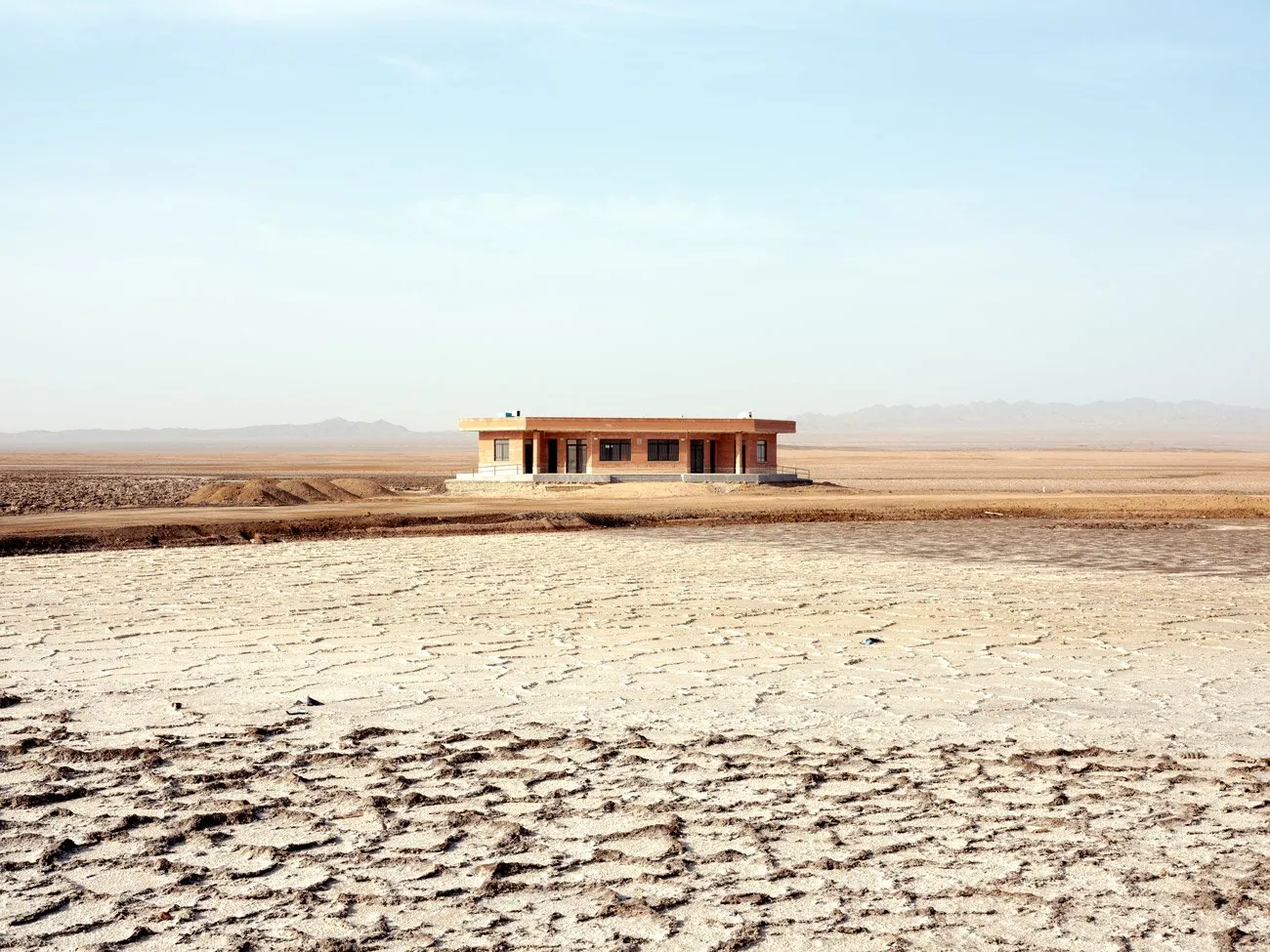
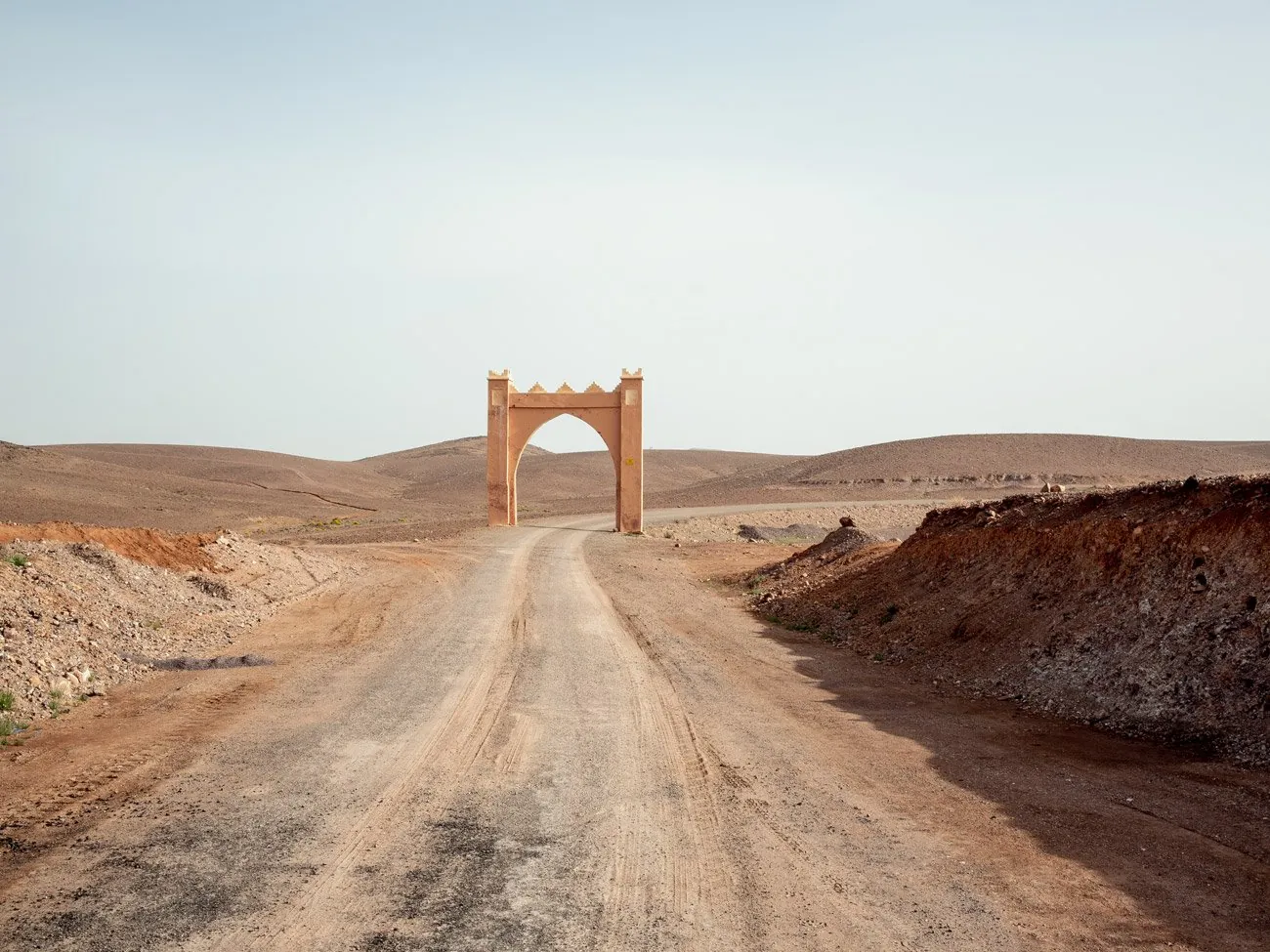
It began in Morocco in 2017. He had gone looking for the idea of the oasis and found something he had to follow. “I realized that there was something I was interested in and I had to pull the red line to see where it led me,” he says. It led him on to Iran, Jordan, Algeria, Egypt and Sudan.
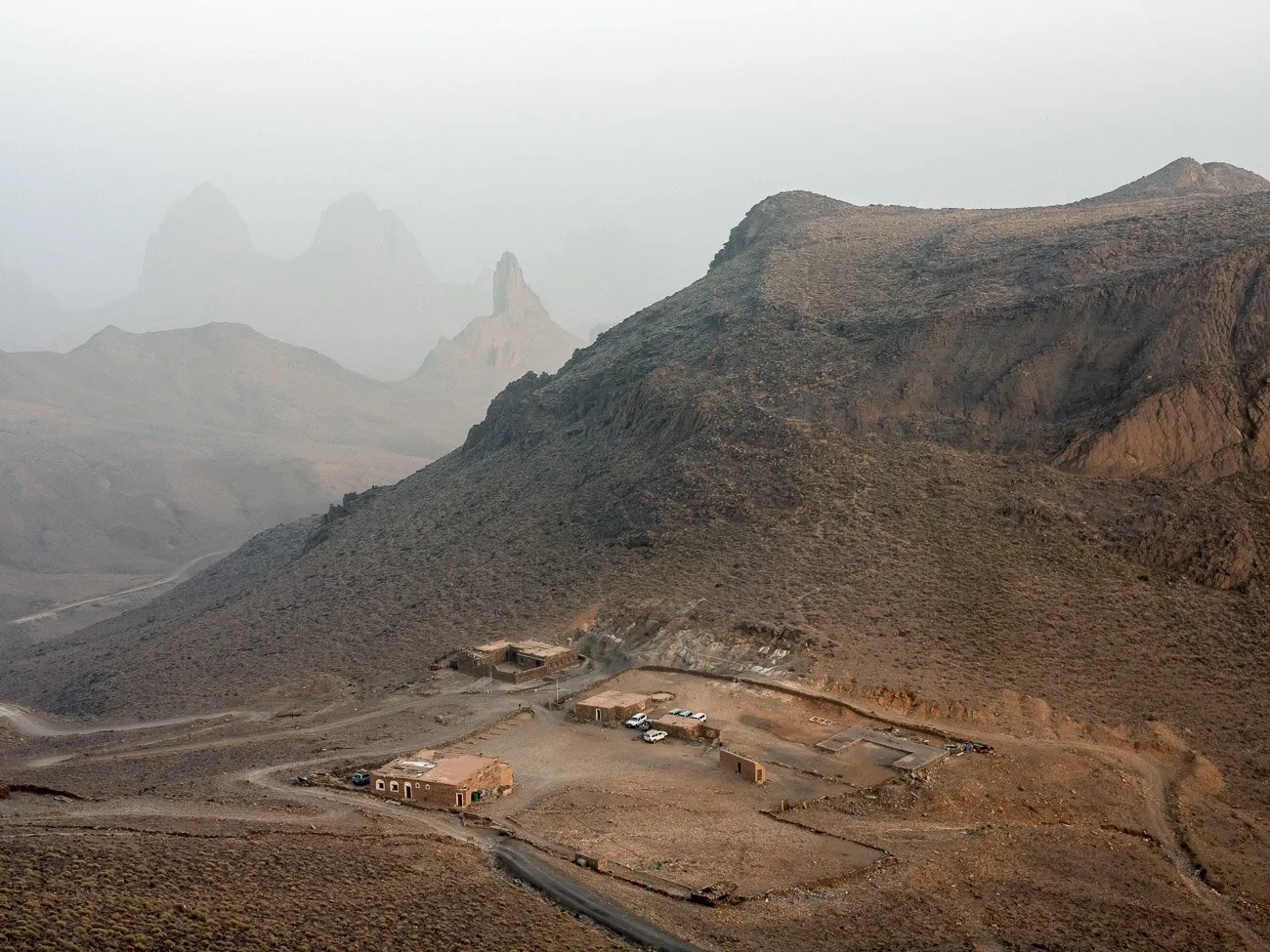
The desert itself gave him something else. “The desert brings you silence, visual and mental rest,” he says. Out there, the mind fills the space. “You focus exclusively on your feelings and your imagination. Over time, you become addicted to this form of meditation.”
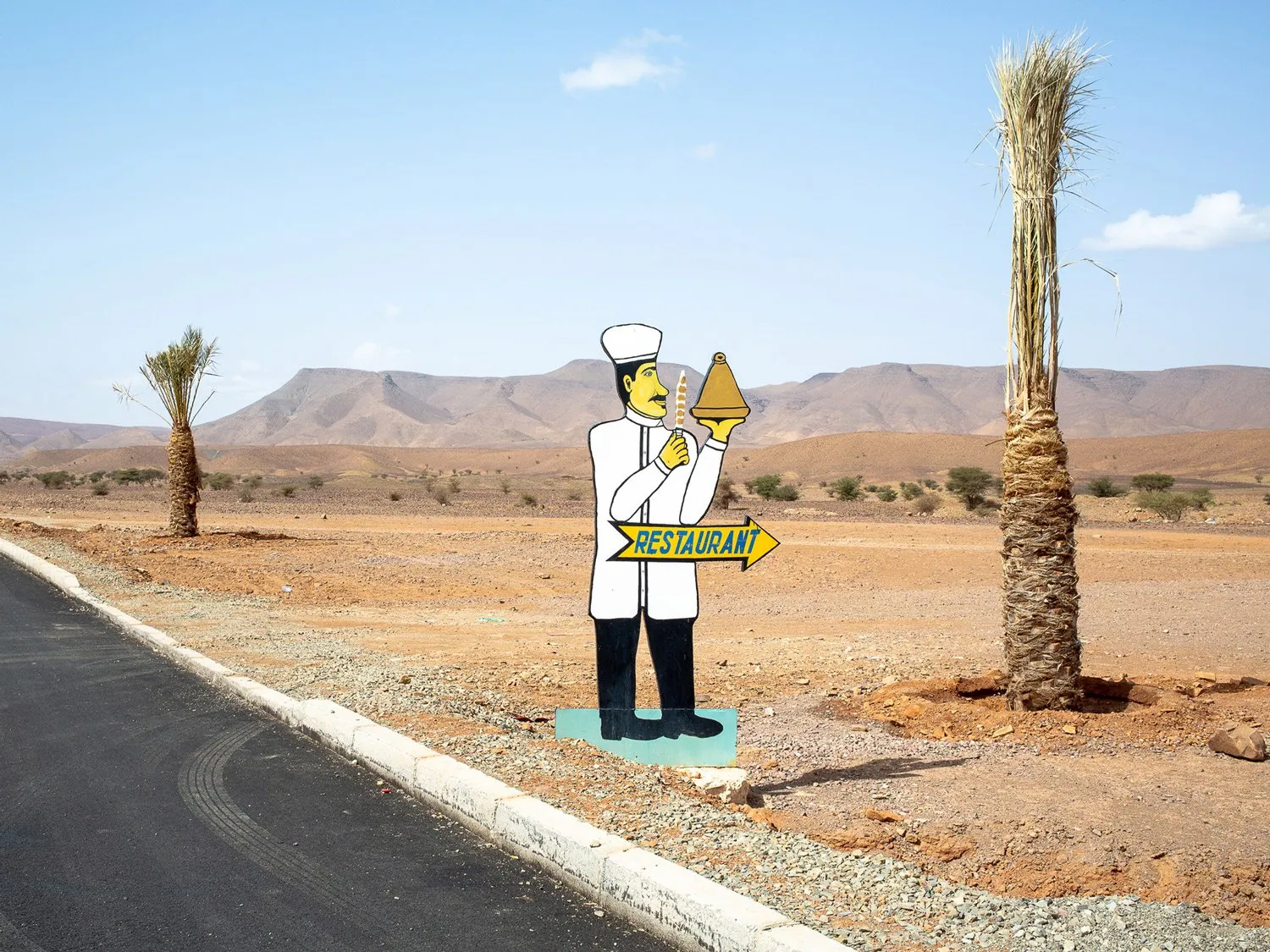
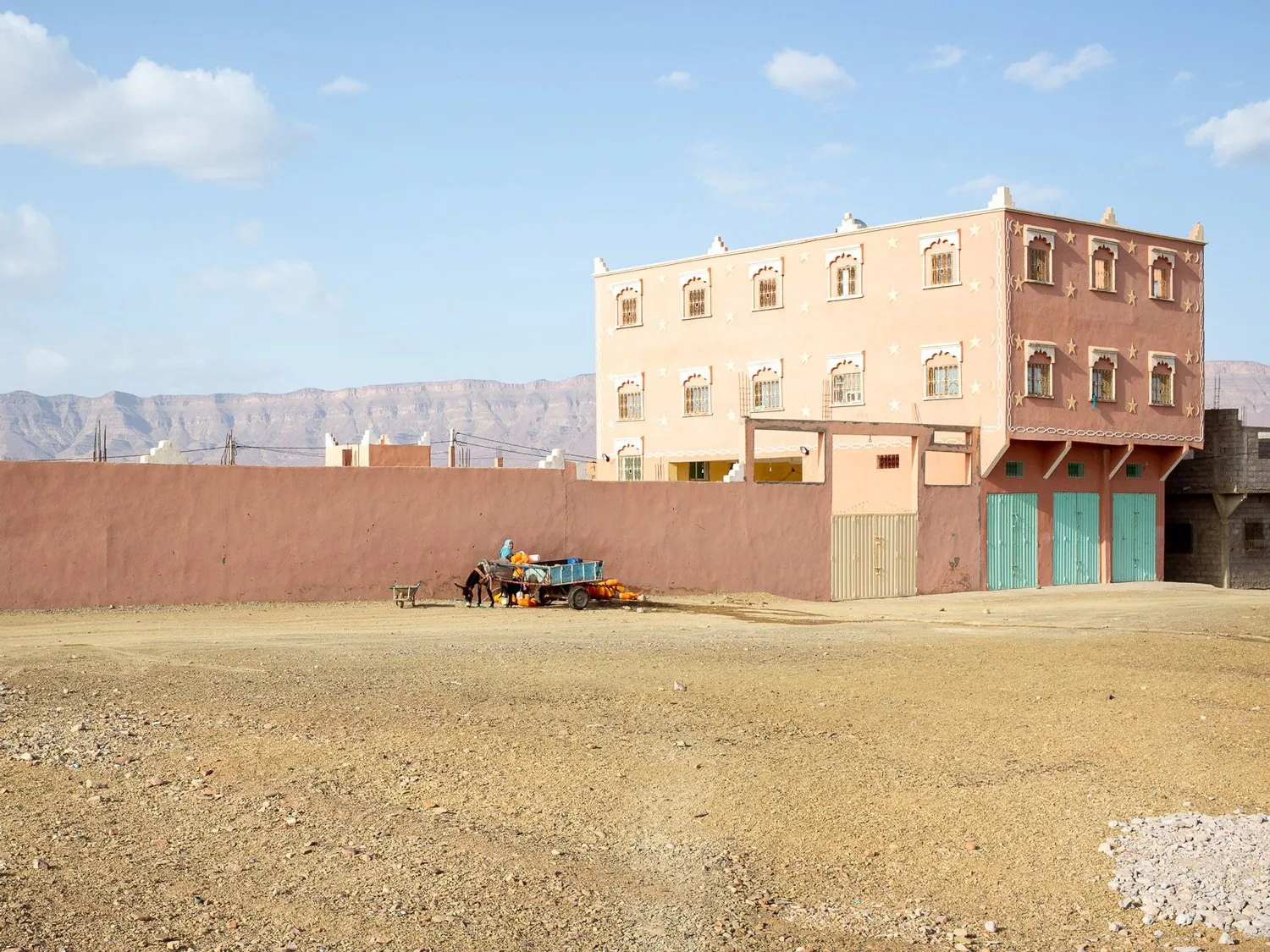
He would ride for hundreds of kilometres and pass only a couple of cars or a few camels, so anything that did happen stood out. “When something happens in the desert, it’s immediately highlighted,” he says. “Visually, it’s interesting and you concentrate only on the essential.”
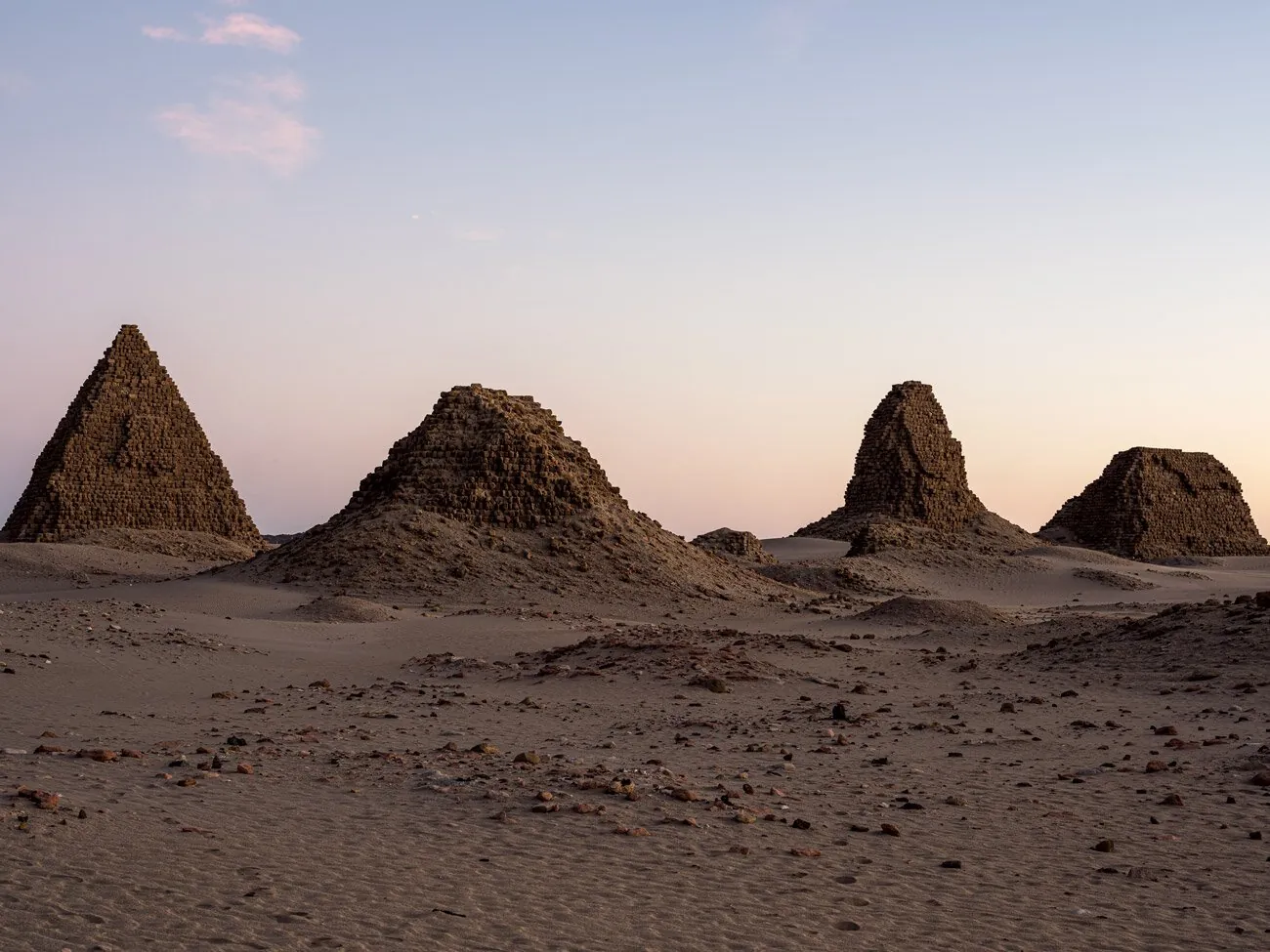
The bicycle set the pace. “It offers the right rhythm,” he says. “My imagination is stimulated because the landscapes scroll at the pace of a movie tracking shot.” His body kept time too. “The journey becomes rich with a taste of adventure. You put your body to work, you’re proud of yourself and you just feel alive.” At the end of each day, the needs were simple. “When you arrive, all that matters is eating and having a good night, while waiting for the early morning the next day.”
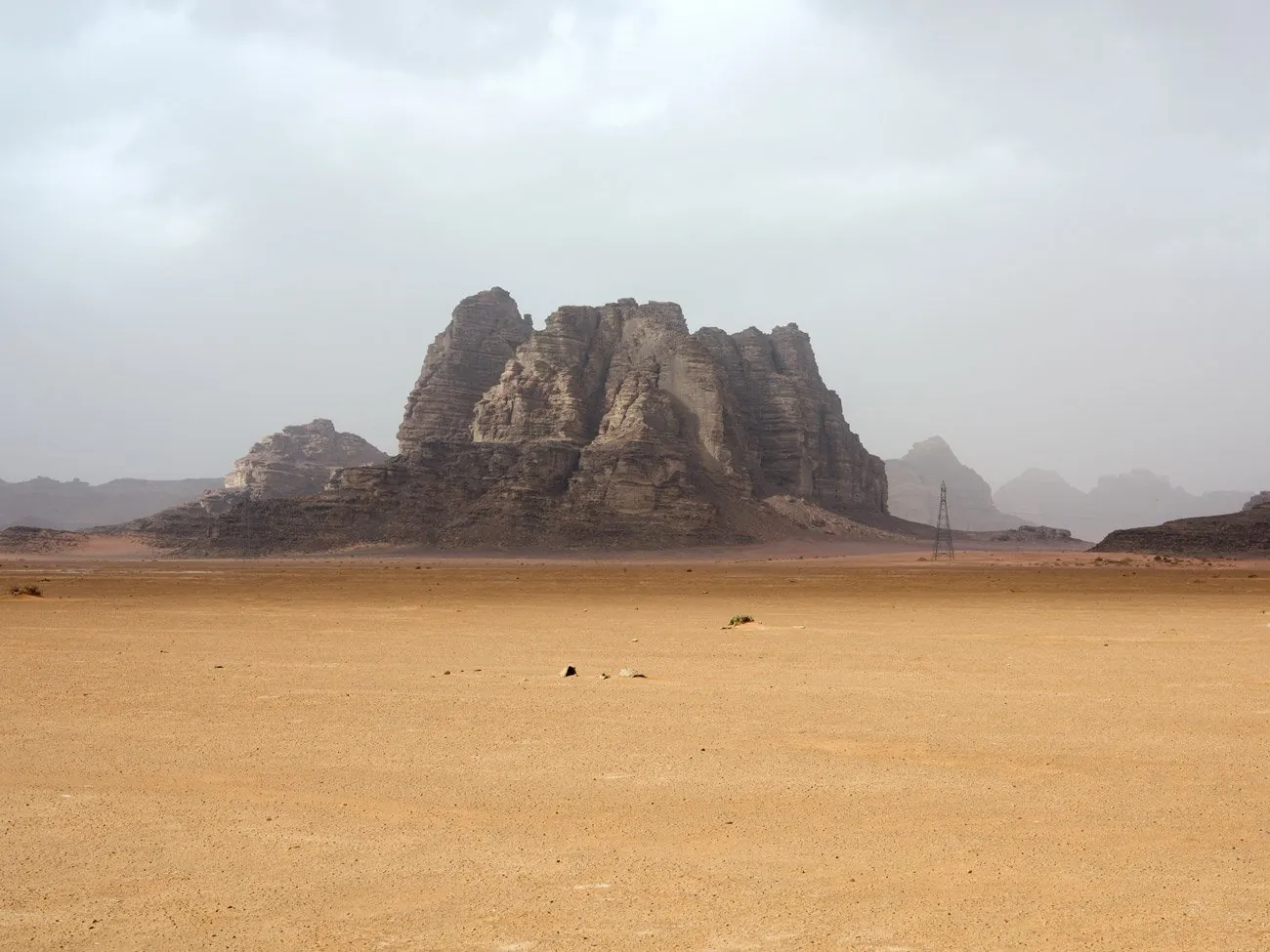
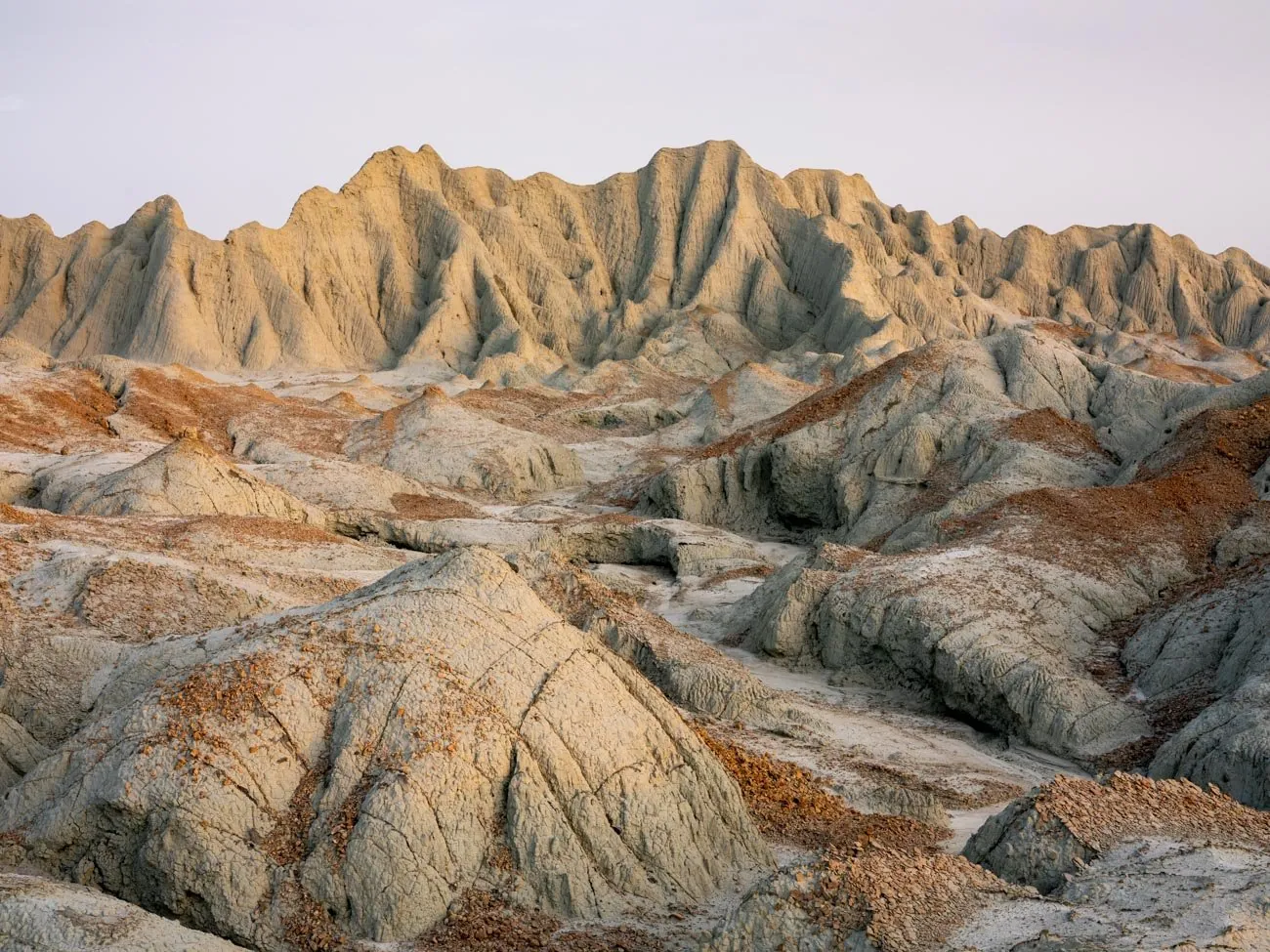
His route ran through the Atlas and Anti-Atlas mountains of Morocco, the Lut Desert in Iran, Wadi Rum in Jordan and the White Desert in Egypt, places many people at home think of as dangerous. Riding alone, he never felt unsafe, and he learned he could rely on the people he met. “Travel allows us to grasp the reality in its entirety because we need to see the places to fully understand them,” he says. “Otherwise, things remain abstract and dictated by what we’ve heard or see on TV.”
He came home with a conclusion as plain as the landscape. “I left with the idea that people are generally good all over the world,” he says. “The journey reconciles you with others and with the unknown. In other words, the exact opposite of television.”
Words by Braeden Alexander. Photography by Edouard Sepulchre.