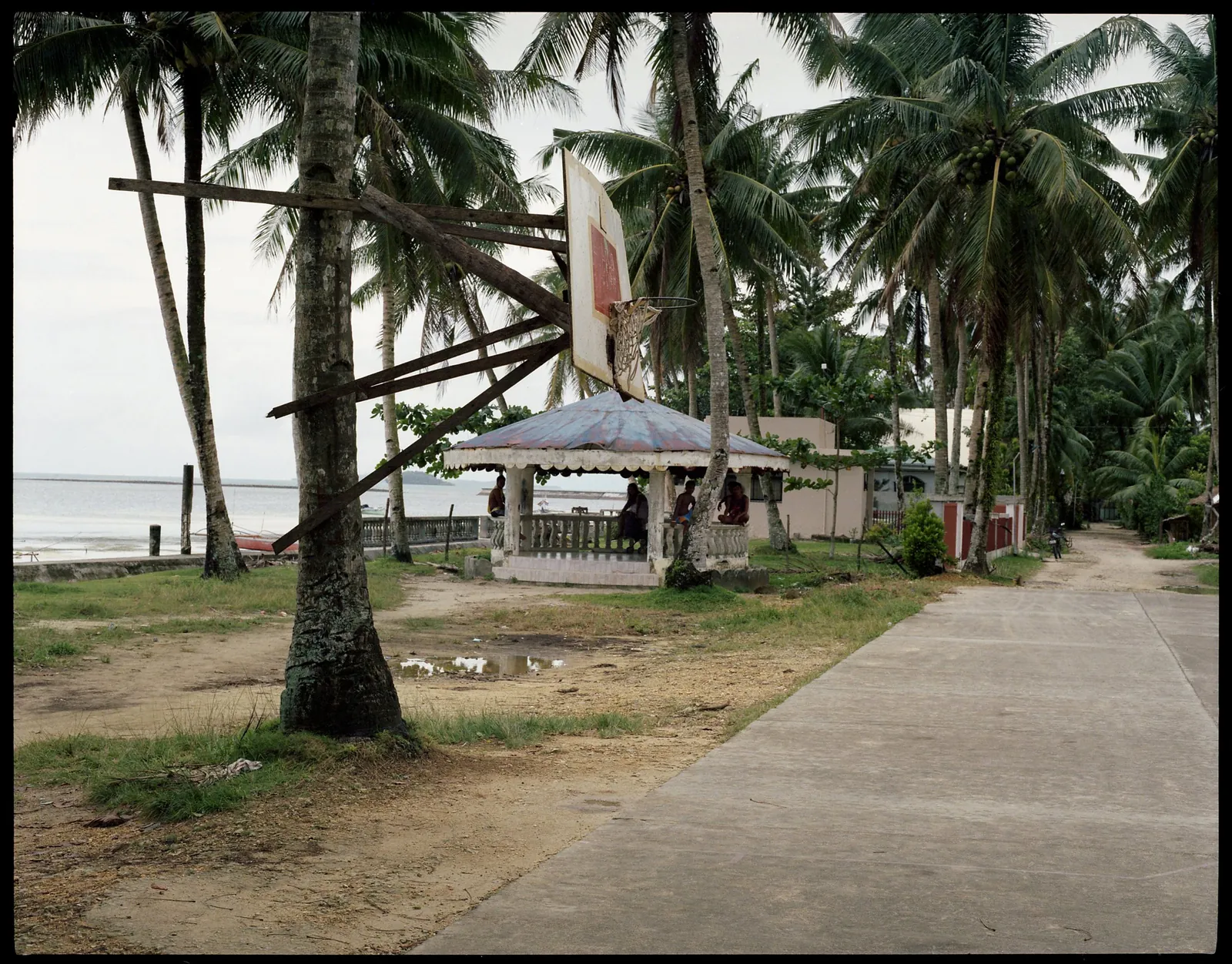
In the Philippines, basketball is played on backboards nailed to living trees and planks found wherever they can be found. Photographer Dave Carswell made them his subject.
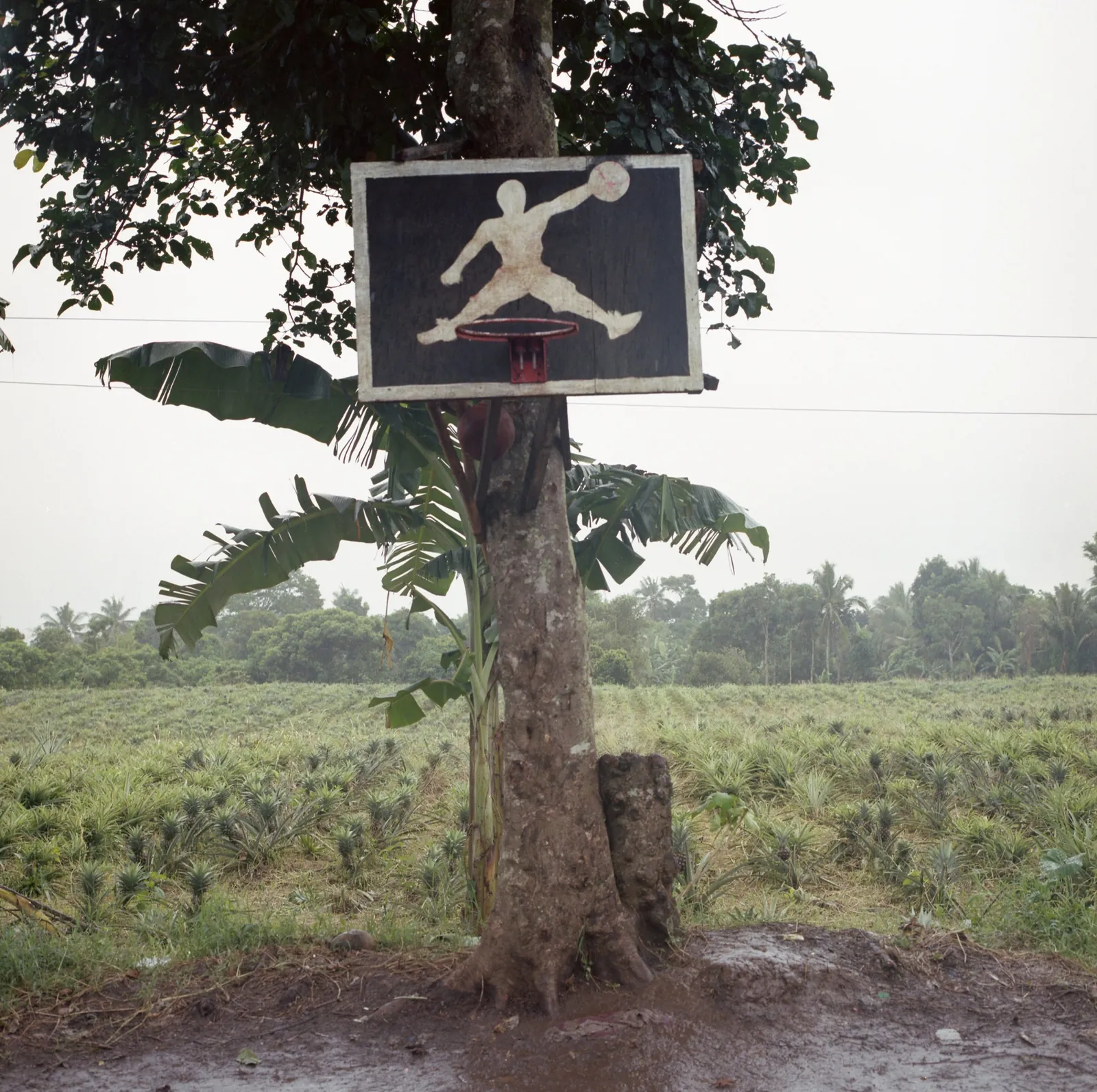
In the Philippines, some basketball hoops get higher every year. They are nailed to living trees, and as the trunk grows, the rim rises with it, until nobody can say for certain what regulation height is anymore.
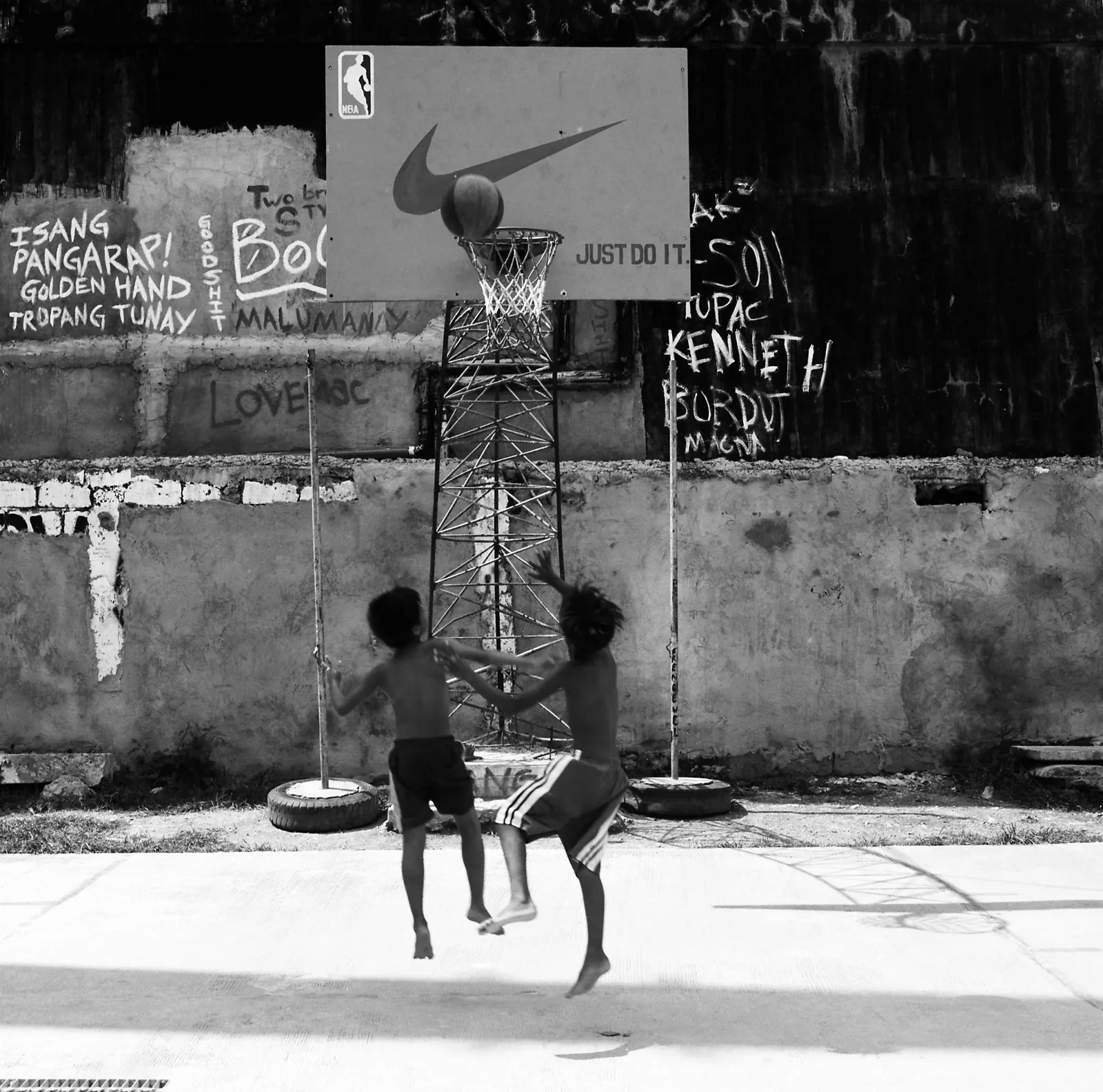
These are the hoops in Dave Carswell’s photographs: tree trunks standing in for poles and backboards cut from recycled planks, many of them painted with homemade logos.
“There is something so simple about the construction of the everyday hoop,” Carswell says. “A ‘no-frills’ attempt at creating a space that can be used locally, a passive resistance to the sterile nature of the mega malls, a construction that shows care, enthusiasm and hope.”
The love affair is more than a century old. American teachers brought the game to the islands through the YMCA and the public schools, and in 1913 the Philippines won the basketball title at the first Far Eastern Championship Games. The national team finished fifth at the 1936 Olympics in Berlin, and its bronze at the 1954 world championship is still the best result by any team from Asia.
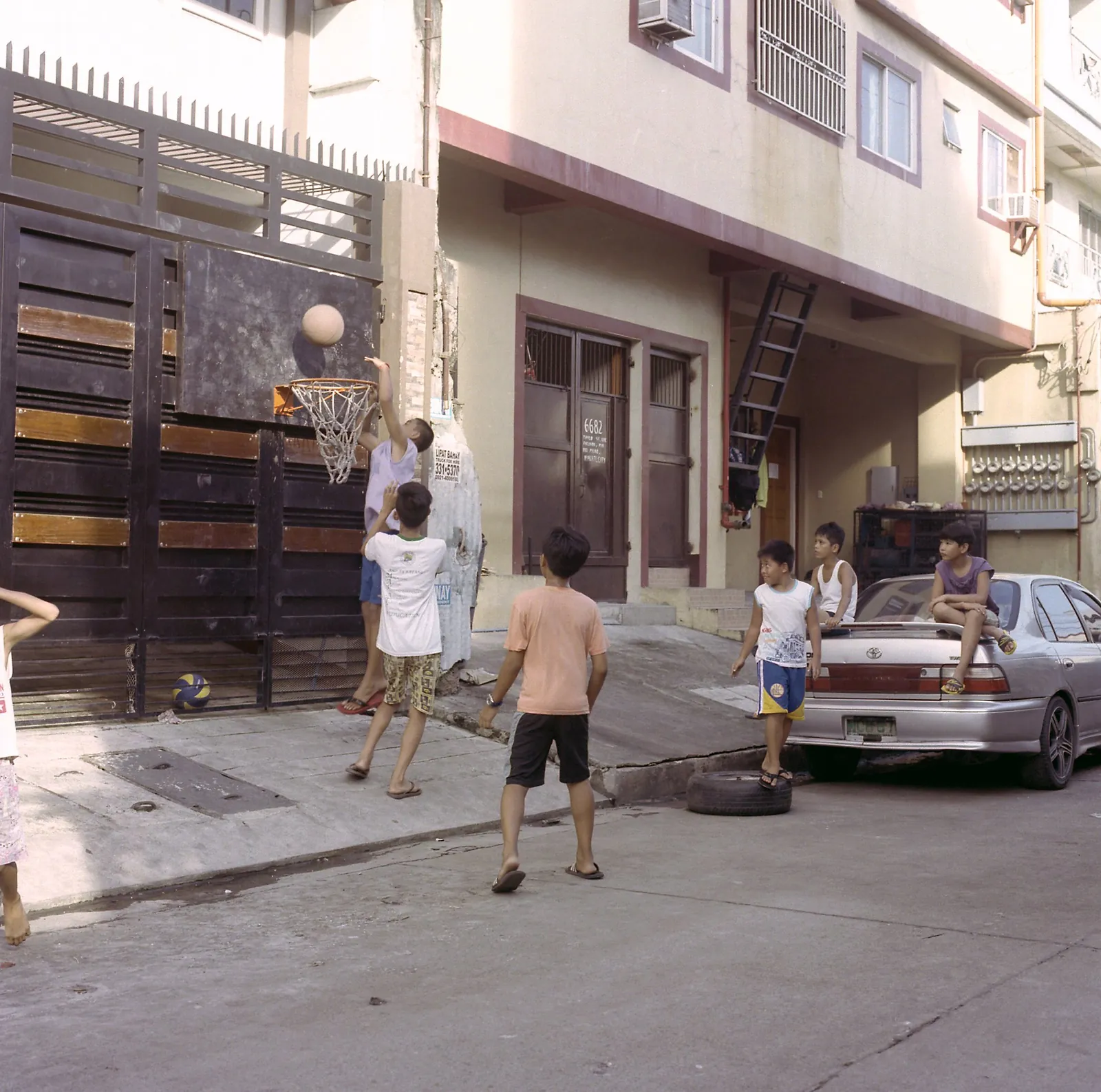
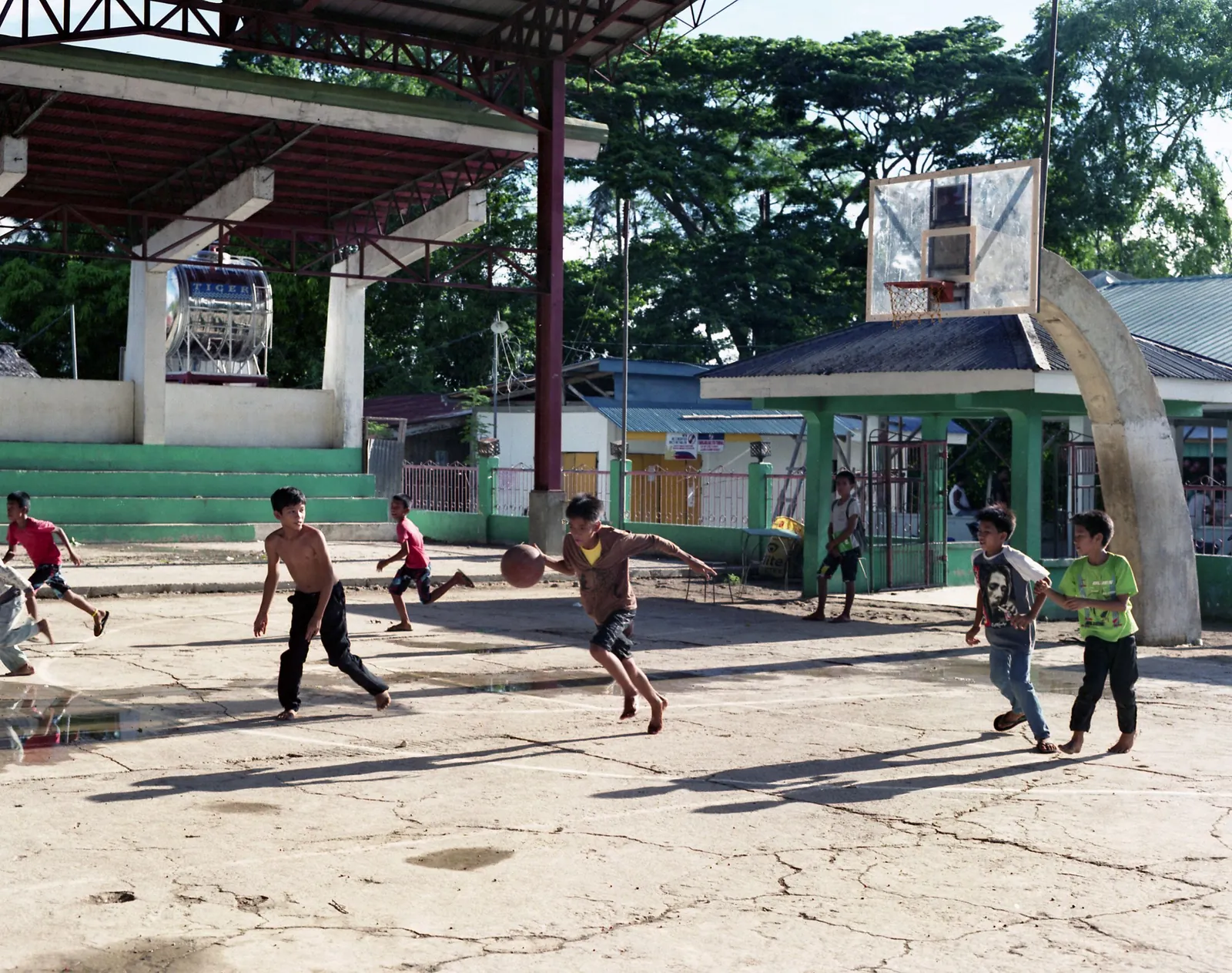
Carswell sees the hoops as proof that the country made the game its own. “Around the country there are subtle reminders of the archipelago’s colonial past. Language, food, architecture, infrastructure and sport are all adaptive hangovers from flagrant imperialism,” he says. “What stands out about basketball is the way in which it has been adapted to suit Filipinos’ physique, playing conditions and available amenities.”
Most of these courts have no painted lines, and many of the kids who play on them are lucky to own sneakers.
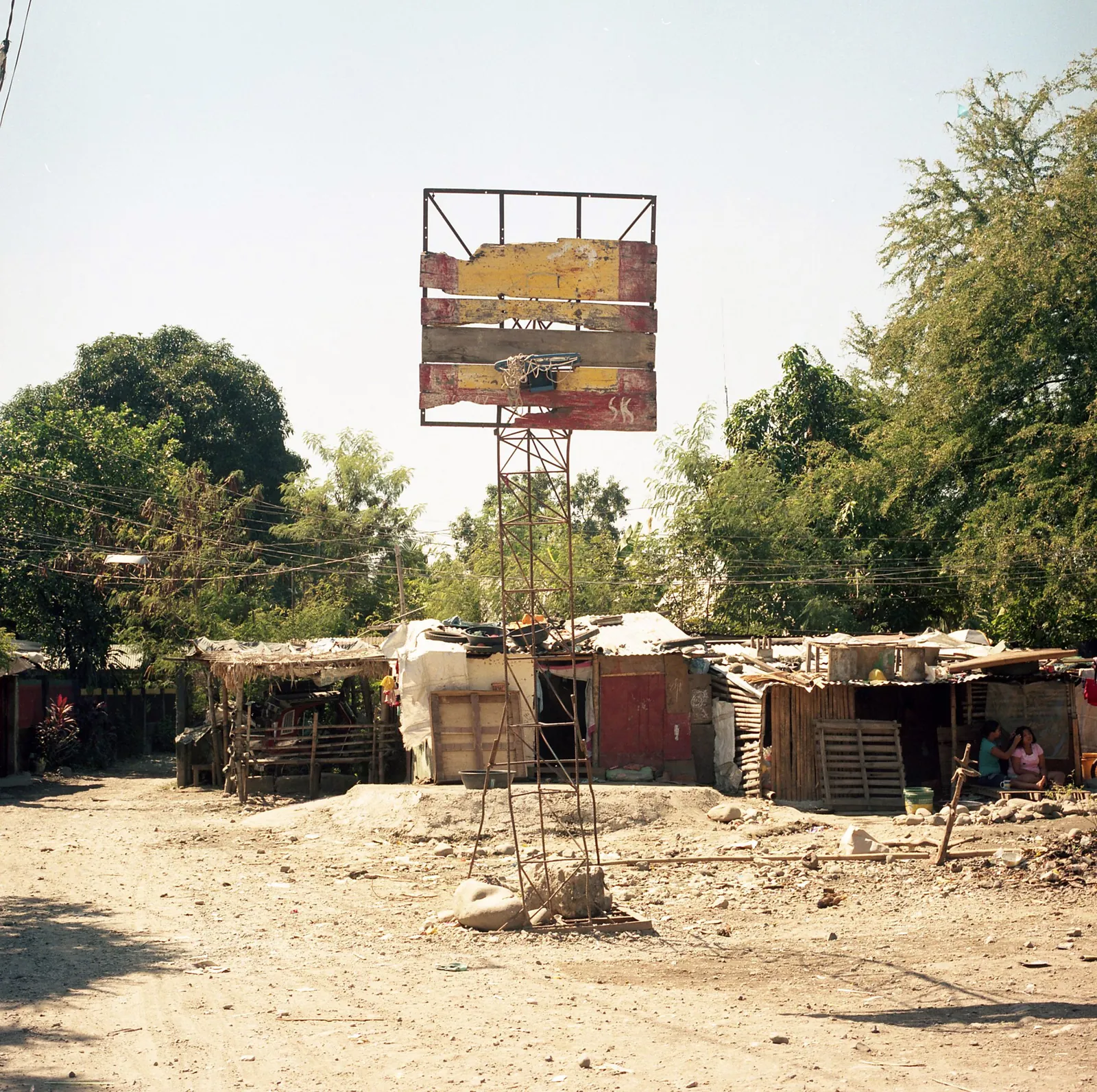
“Basketball is a pivotal part of Filipino culture and is on par with religion as one of the few cultural hallmarks to transcend socio-economic status,” Carswell says. “On a national level, I would say there is no other country in the world that has such an obsession with basketball like the Philippines.”
The hoops also say something about who gets to use public space. In a country being built over at speed, they are public space that people have made for themselves.
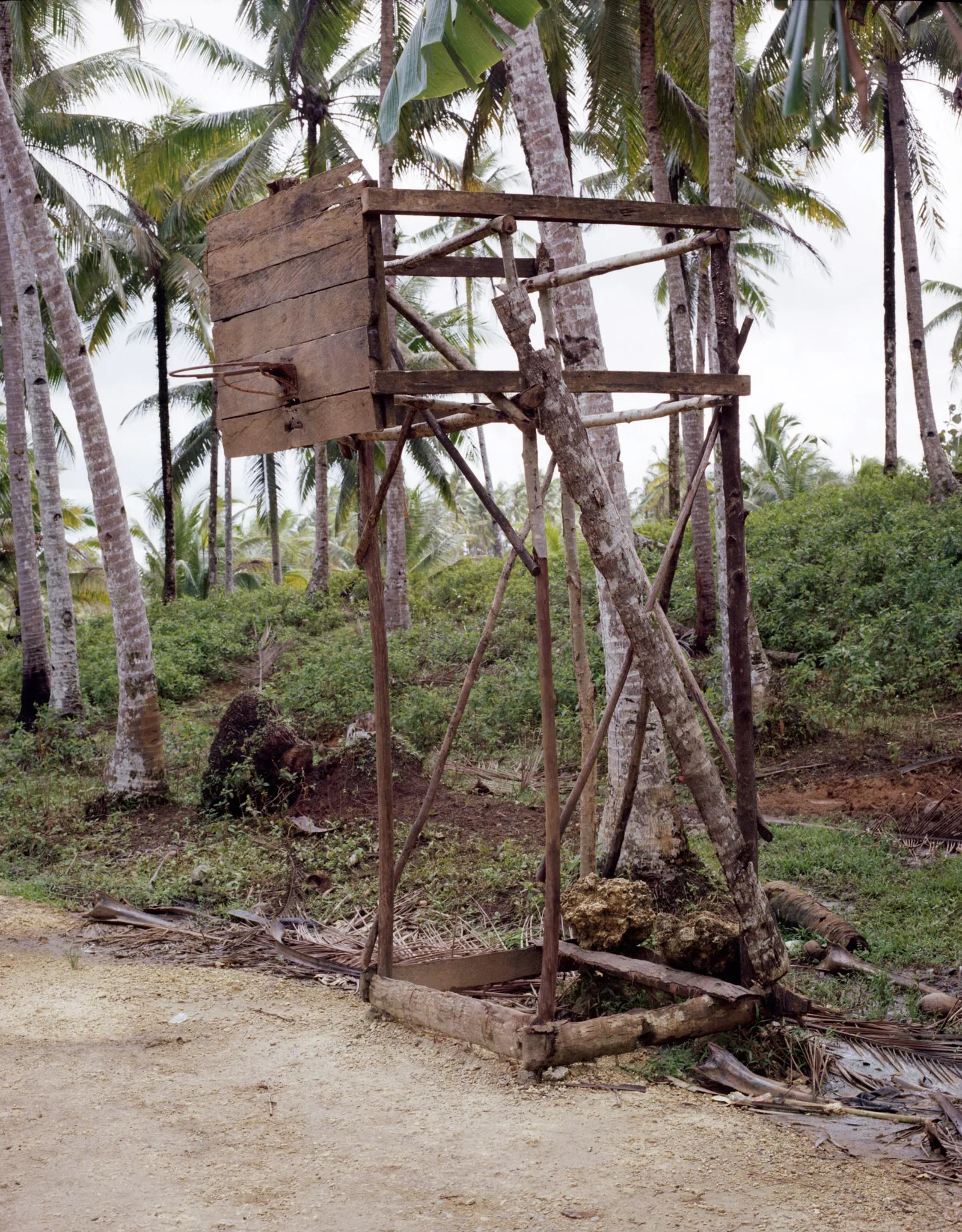
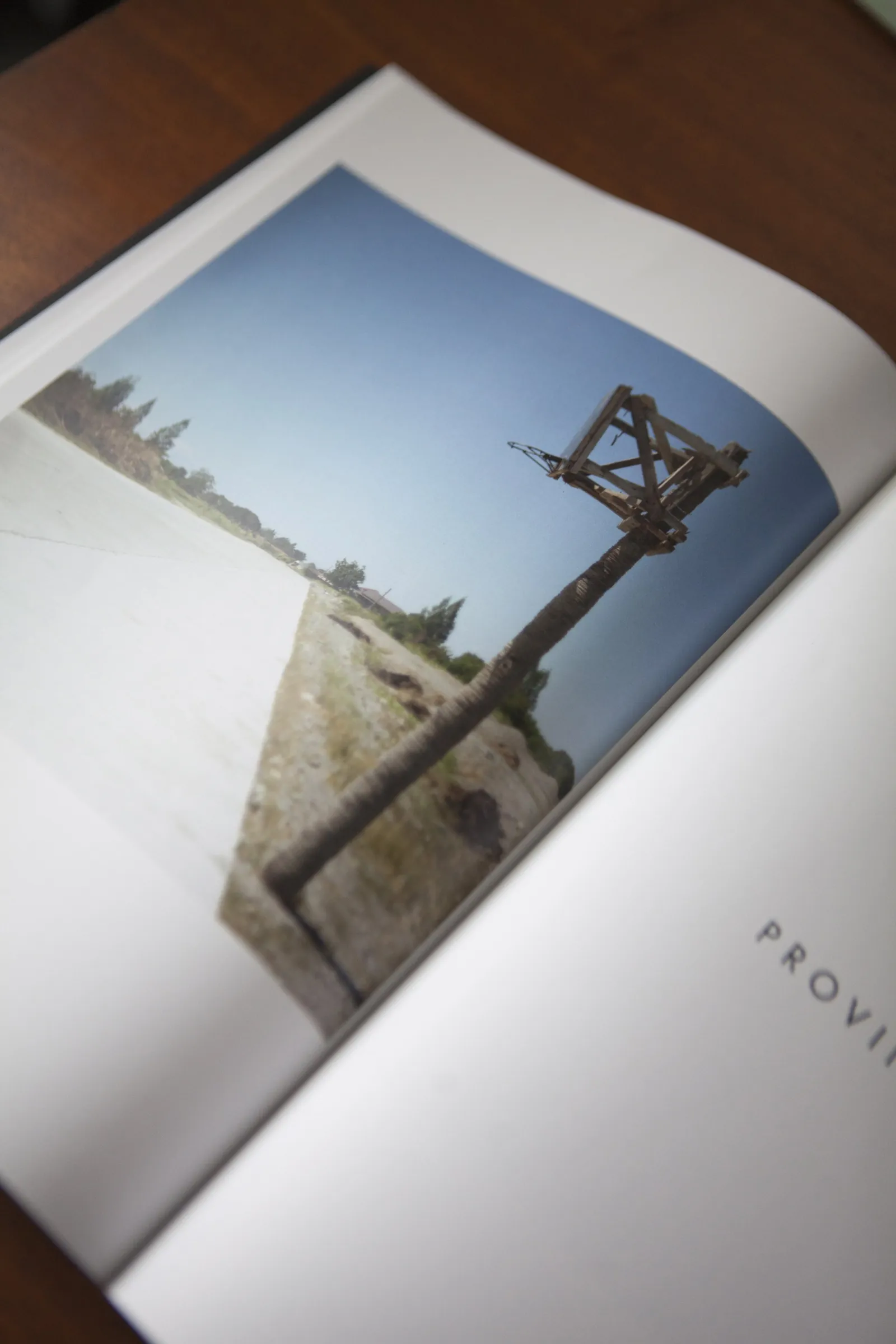
“The Philippines is being urbanised at an alarming rate. The way in which large corporations stake claim over areas which should be given to the public is disturbing,” he says. “The creation of mass malls, gated communities and restrictive access to park lands means that corporate identities have far too much control over behaviour which only benefits further consumerism.”
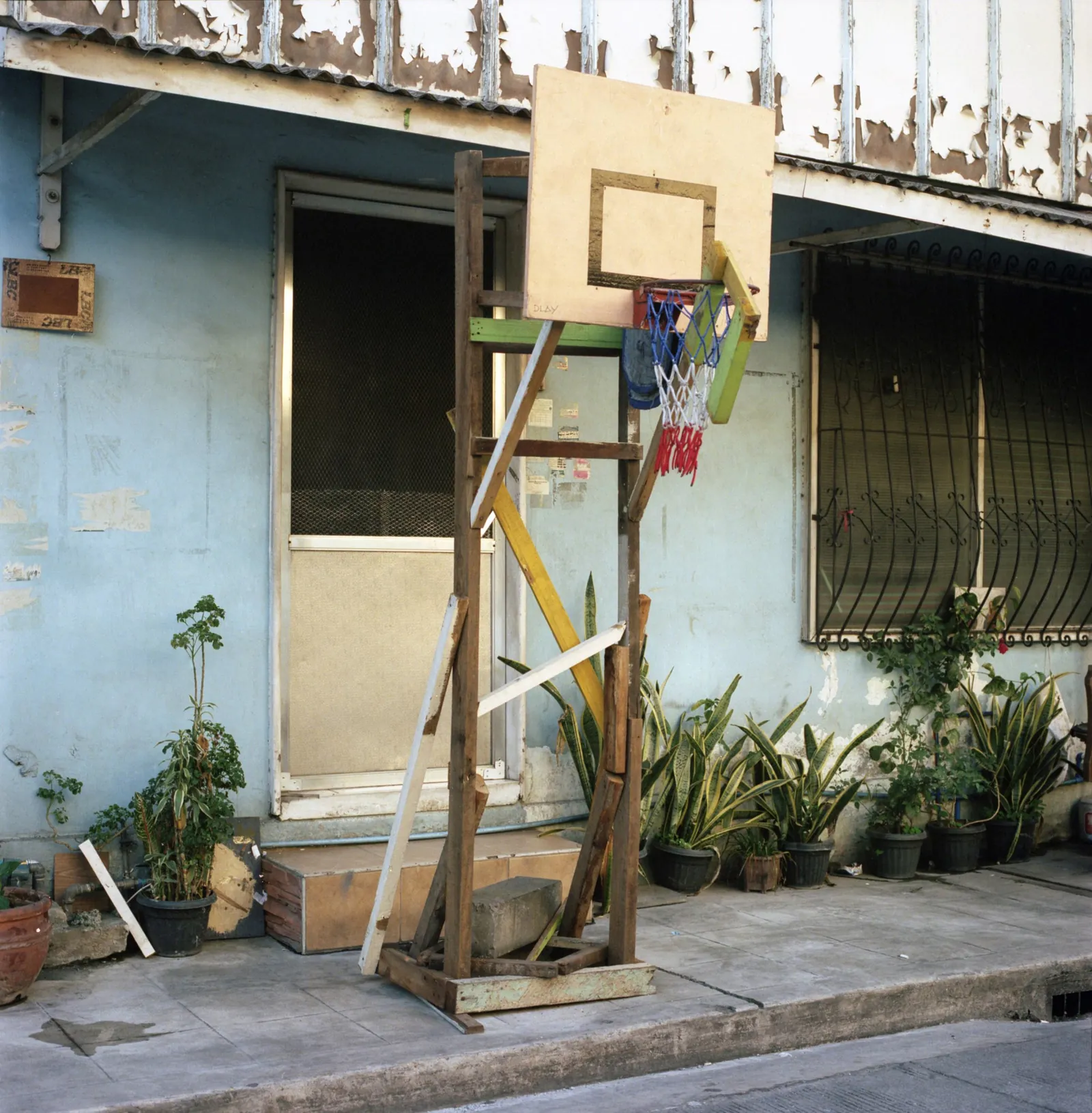
The fix, he says, has fallen to ordinary people. “Many politicians ignore the needs of the everyday Filipino so the necessity of truly public space is often left in their hands.”
So they build it themselves, out of planks and tree trunks. And on some of those courts, the rim keeps climbing.
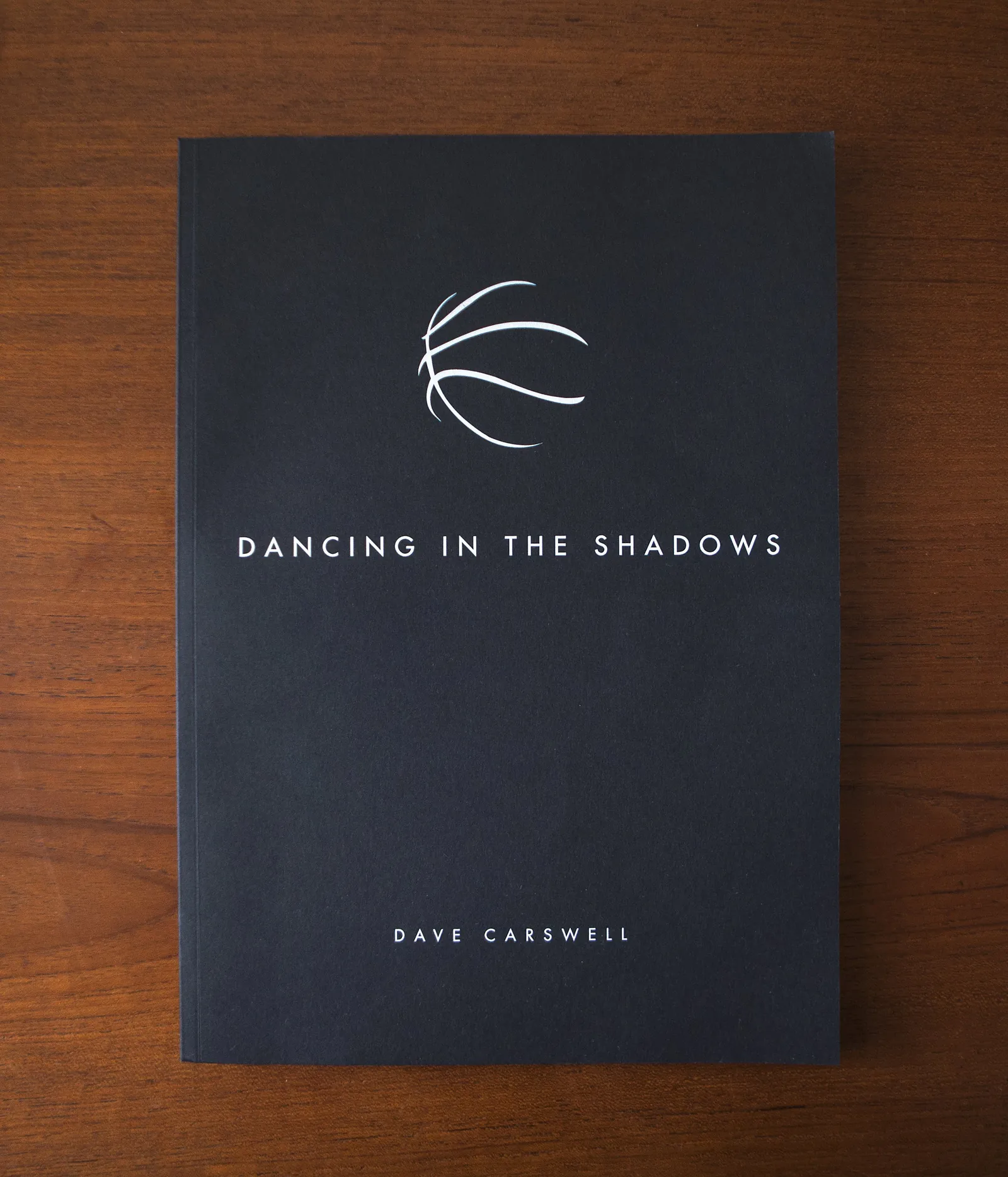
Dave Carswell’s monograph Dancing in the Shadows is out now.
Words by Braeden Alexander. Photography by Dave Carswell.