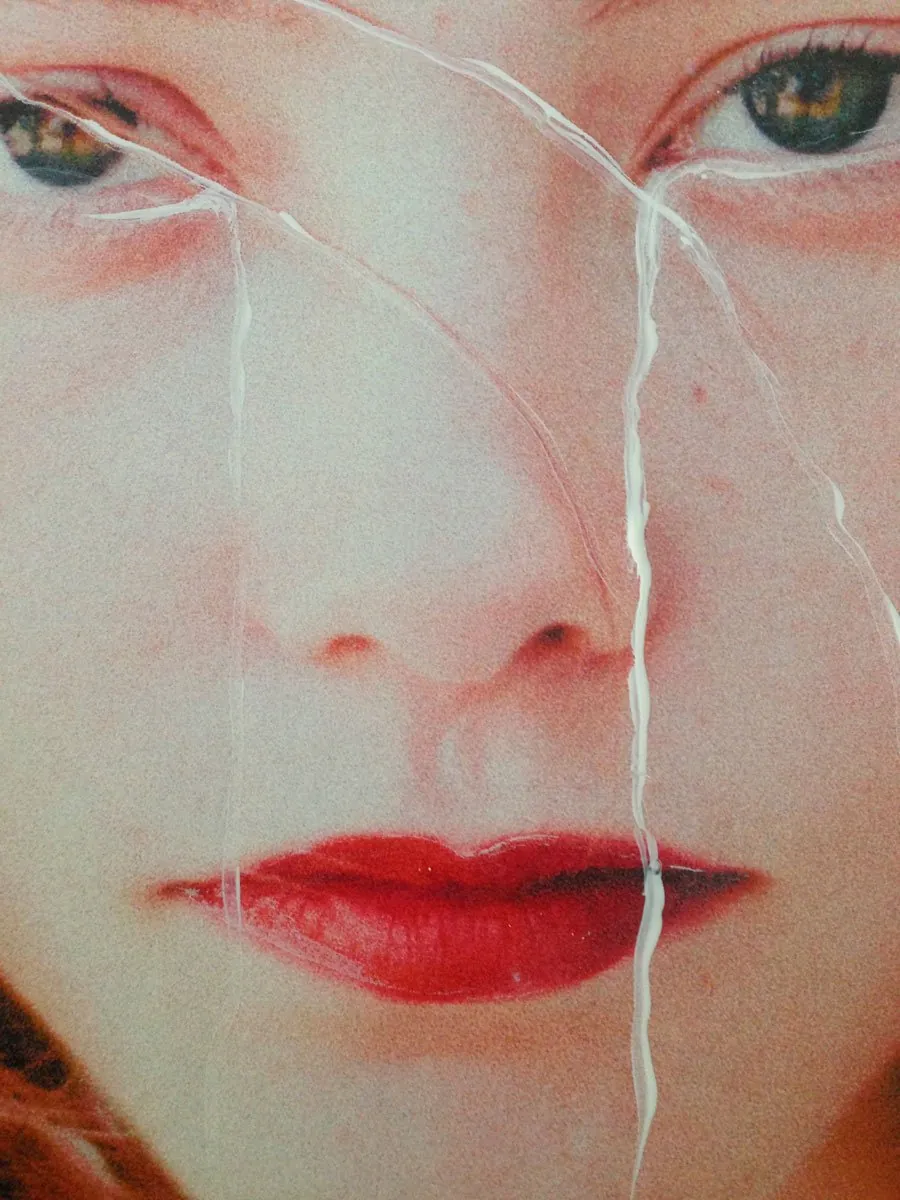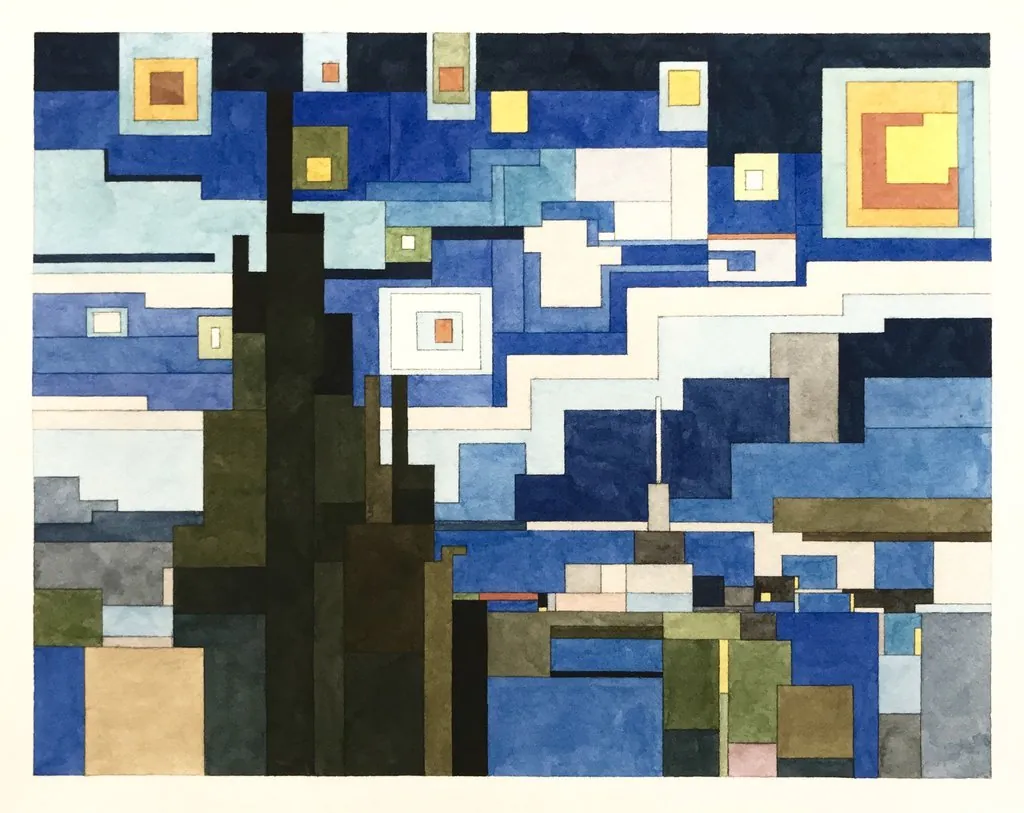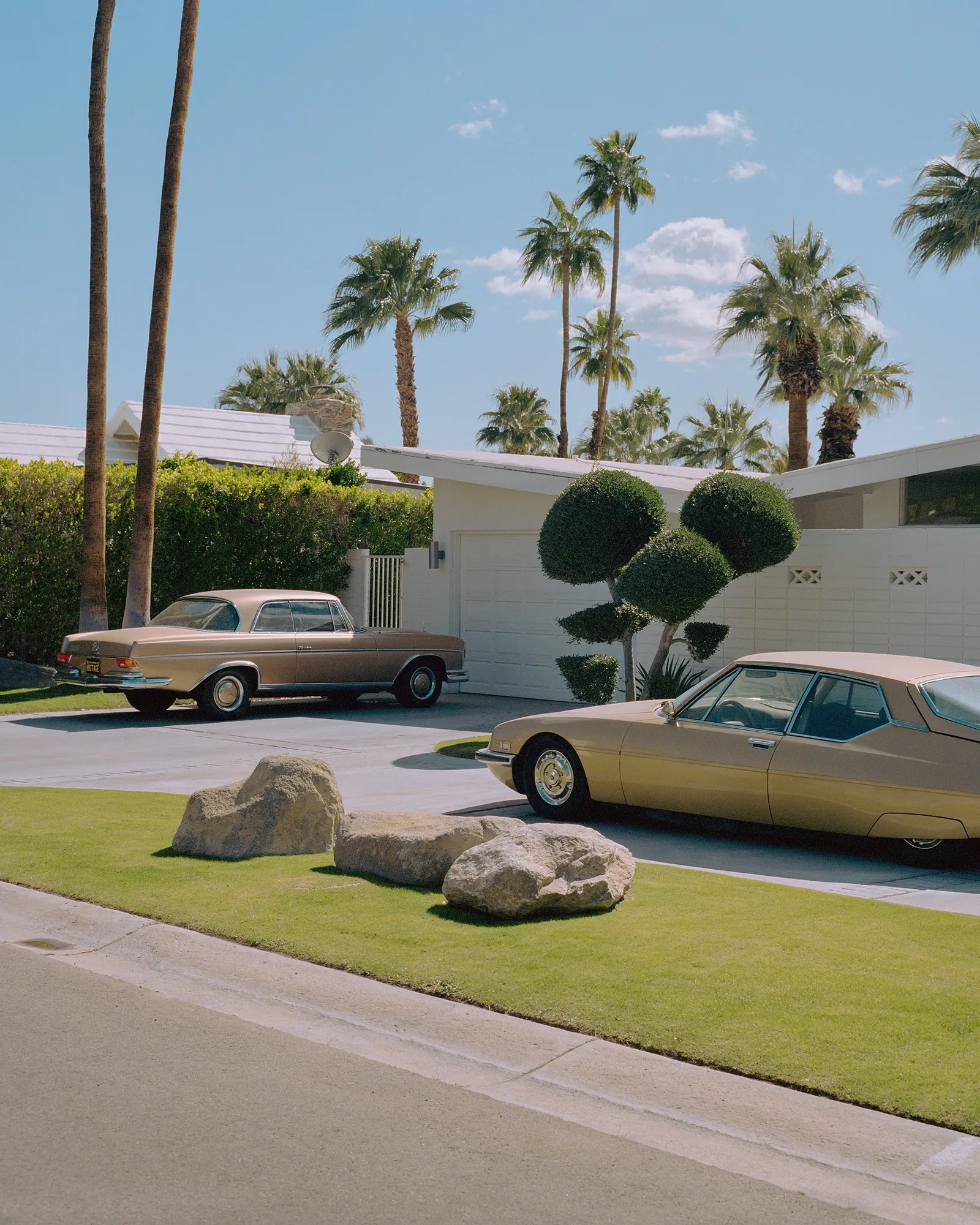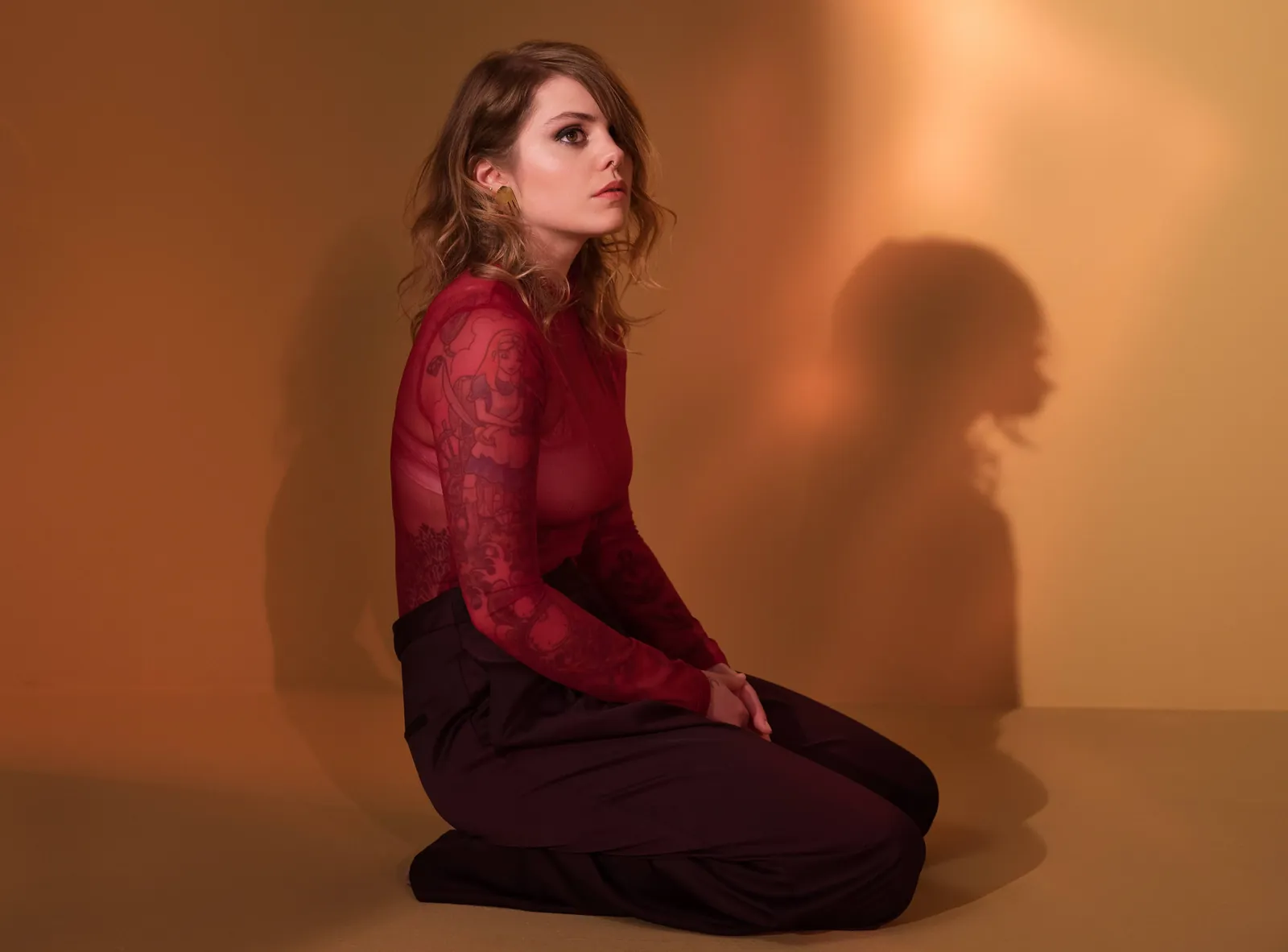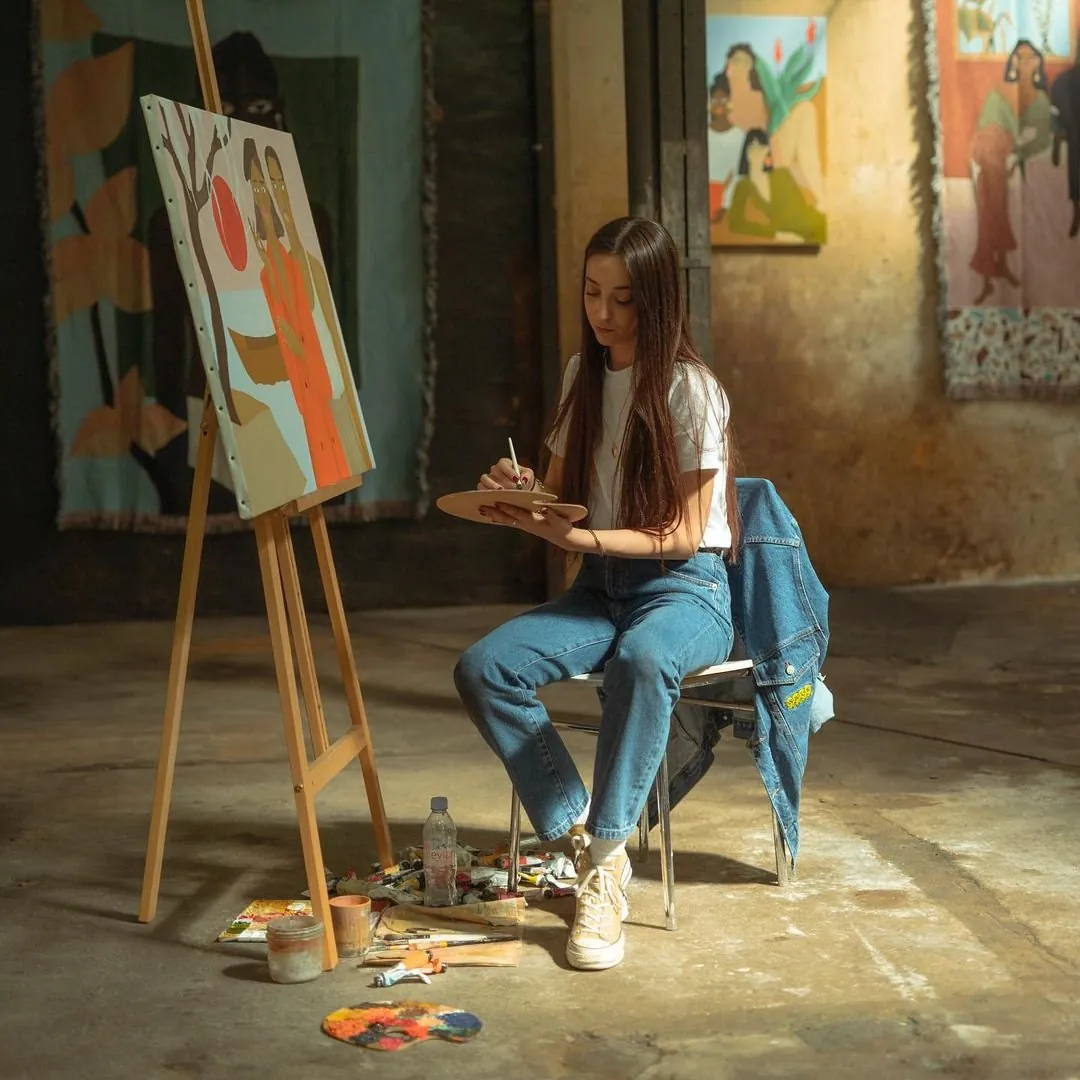
In her studio, Léa Augereau sits before her canvas, the soft hum of Egyptian jazz playing in the background, creating a tranquil atmosphere. An ashtray and a coffee mug rest on the nearby table, small details that set the scene for the magic unfolding before her.
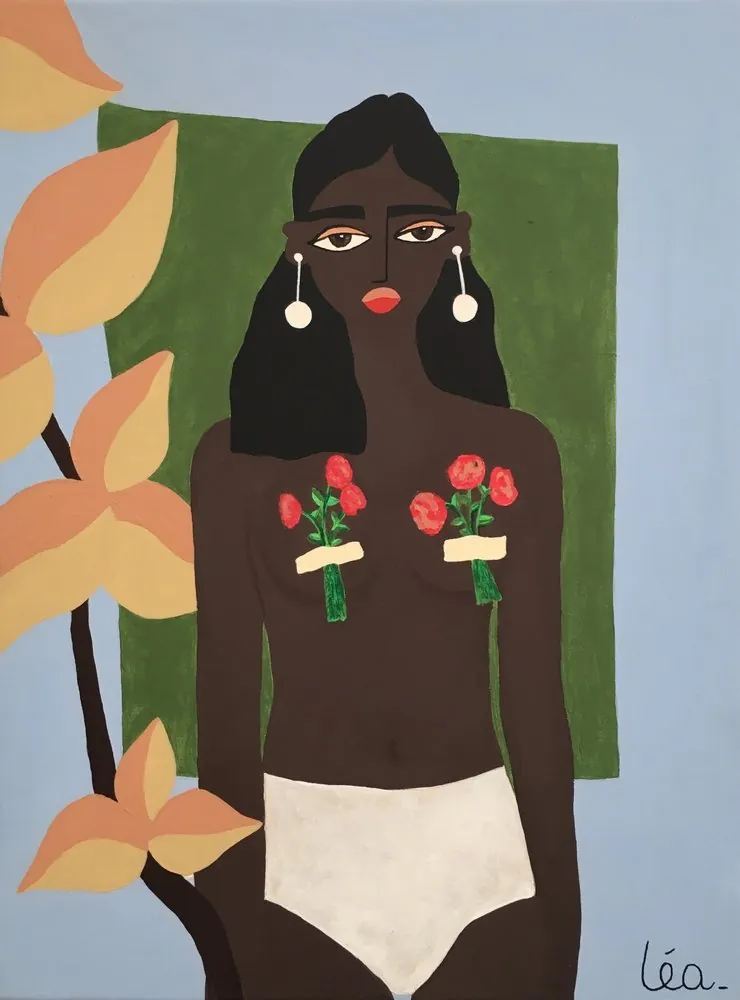
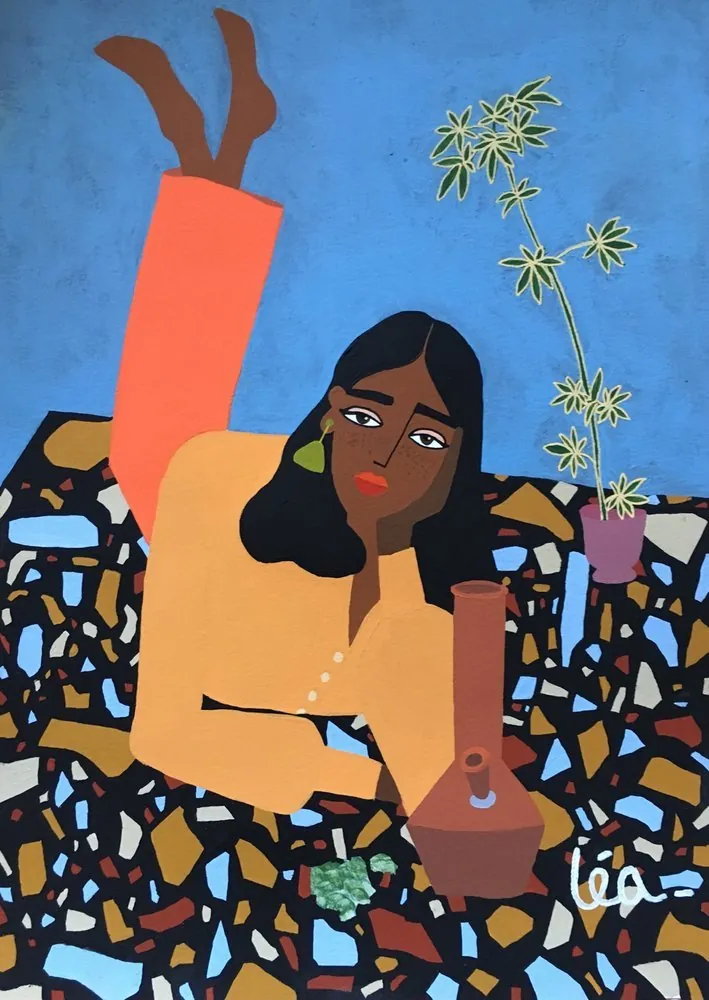
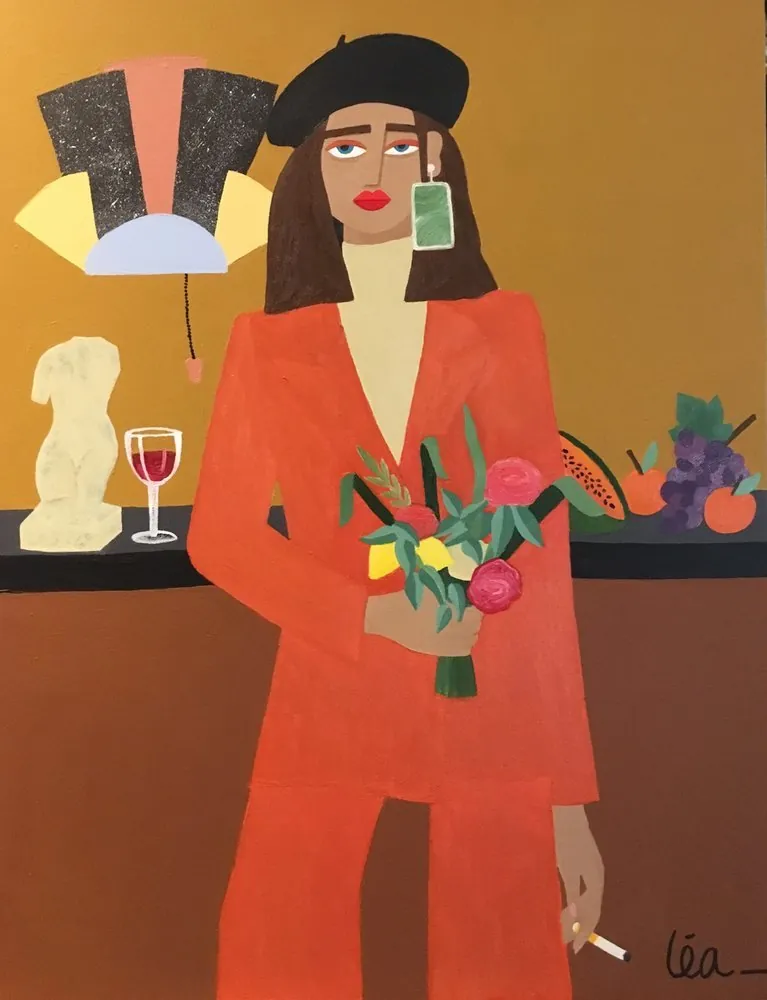
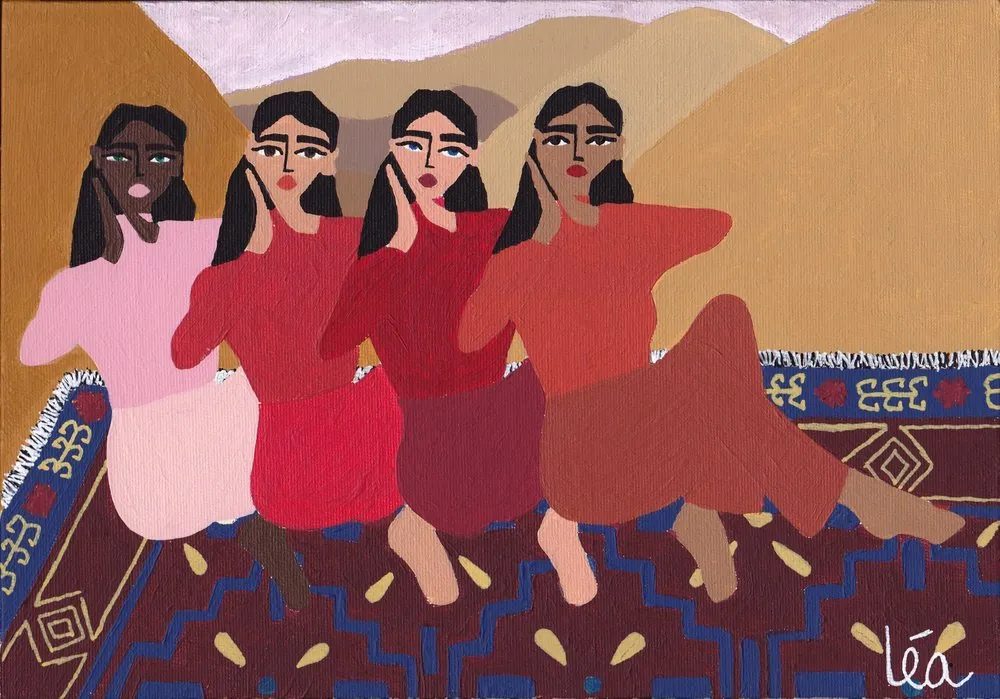
A Parisian artist whose work defies convention, Léa has quickly made her mark in the art world. Her distinctive style, a masterful blend of bold block colors, intricate patterns, and evocative design elements, transcends the ordinary. Her figurative portraits explore themes of strength, individuality, and societal expectations, with one consistent subject at the heart of her work: the modern woman.
“For me, a strong woman is someone who defines her life on her own terms, unapologetically rejecting the rules of a patriarchal society,” Augereau shares. “These are the women who inspire me.”
A Parisian artist whose work defies convention, Léa has quickly made her mark in the art world.
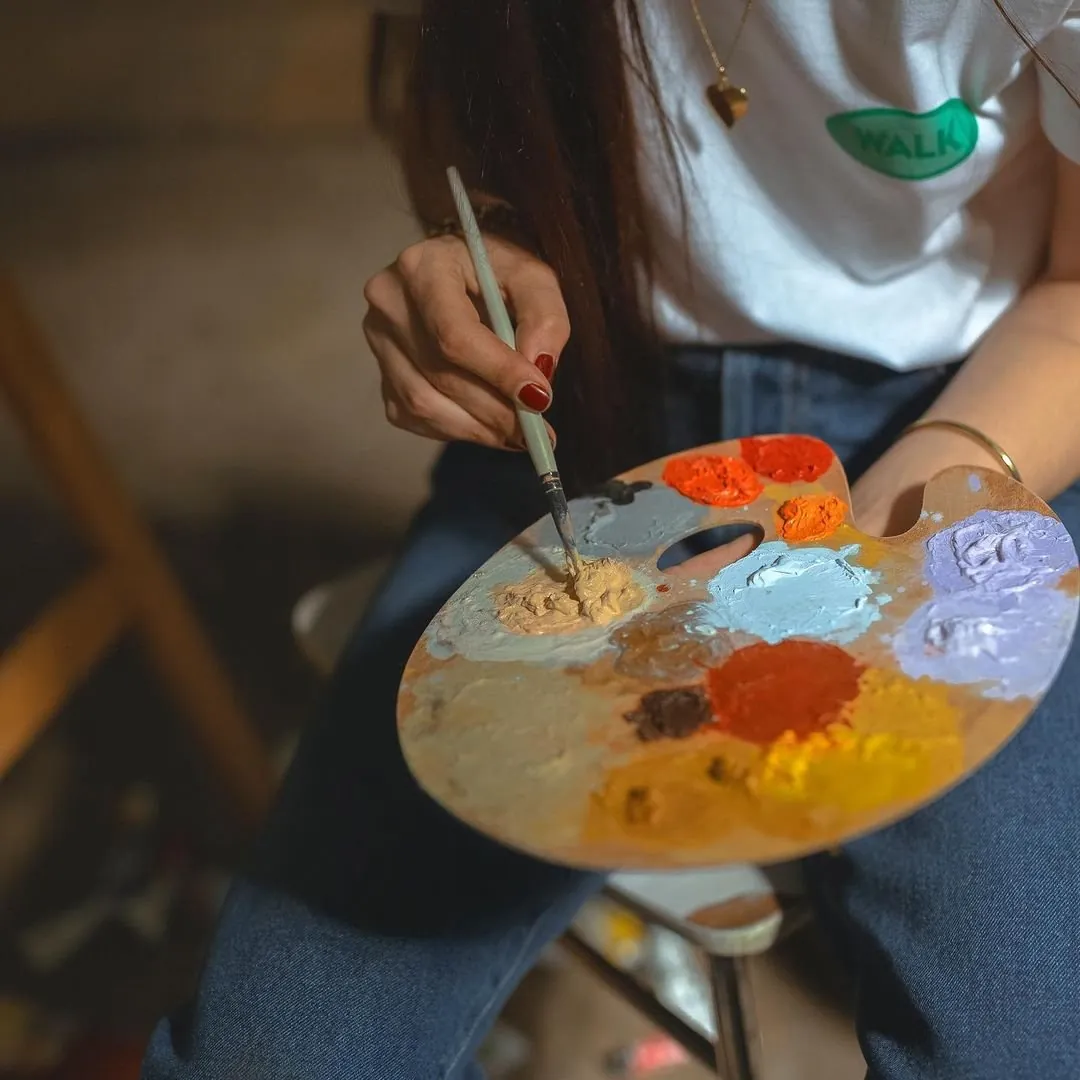
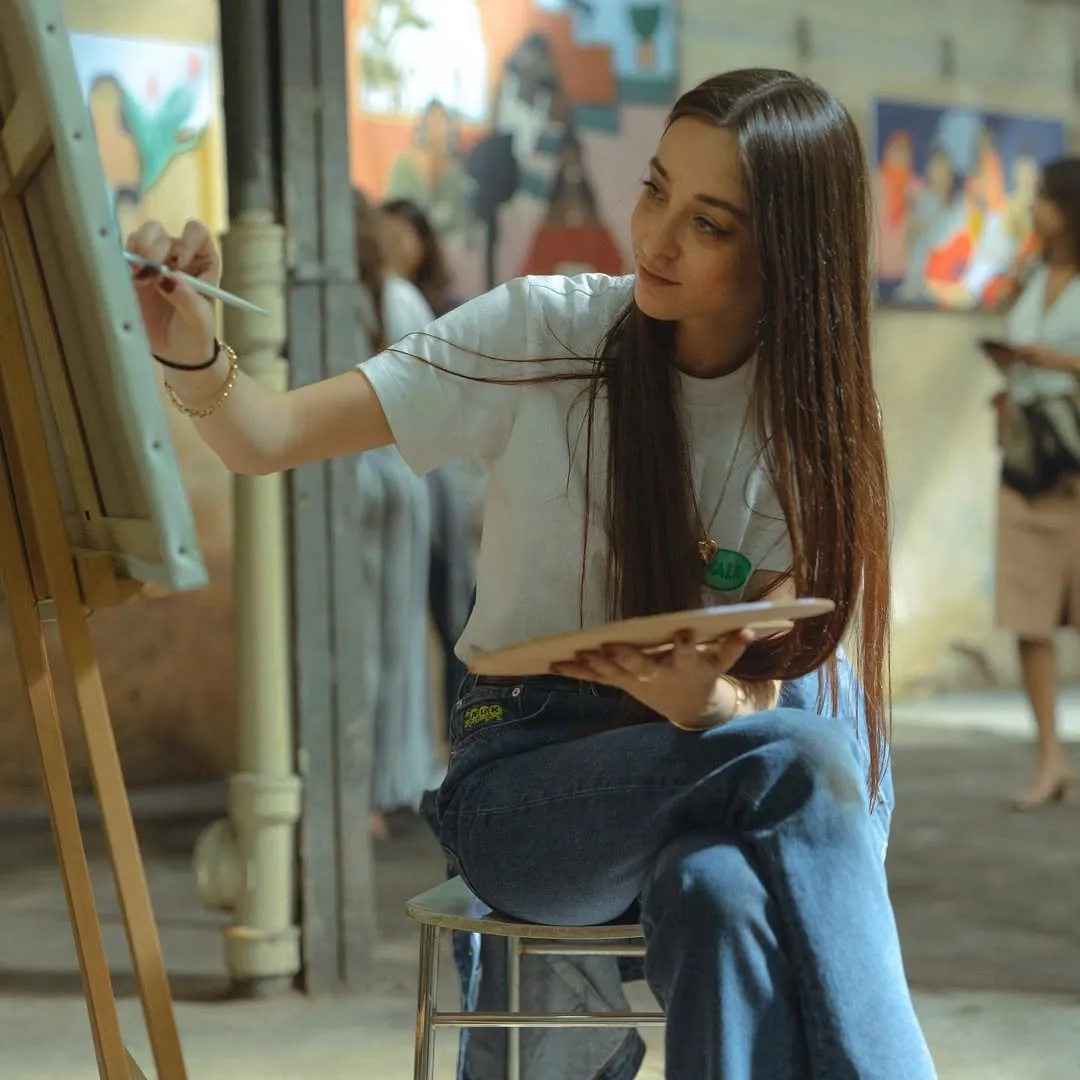
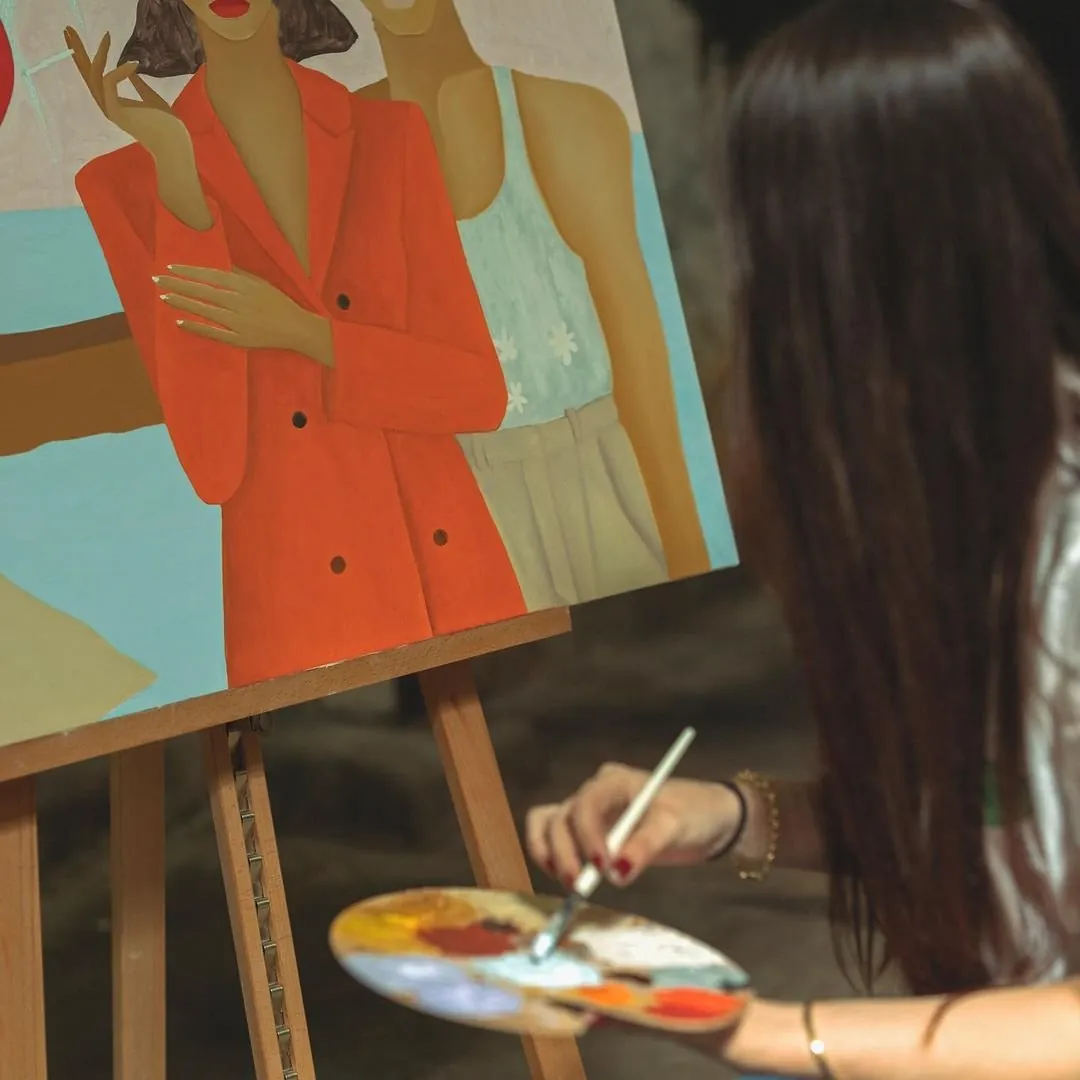
Images courtesy of Léa Augereau
Léa’s art is not merely a reflection of feminist ideals but a celebration of complexity, independence, and freedom. Her paintings feature women who embrace their autonomy: some posing next to a bong, others holding a drink or enjoying moments of carefree leisure. In these depictions, she challenges the stereotypes that seek to limit women’s identities.
“I believe the future should be free from all stereotypes,” she says, her voice firm with conviction. “I was raised by women like the ones in my art: fearless, authentic, and ever-changing. They are my role models, my muse. I’m a feminist, but first and foremost, I’m a humanist.”
Her work carries echoes of European cinema, with classic French, Italian, and Spanish films infusing her visual style. Through vivid brushstrokes and emotive color choices, Léa channels the intensity of these cinematic worlds, intertwining them with her personal experiences. Each piece becomes a narrative, a vivid moment frozen in time, expressing the essence of both her inner world and the world around her.
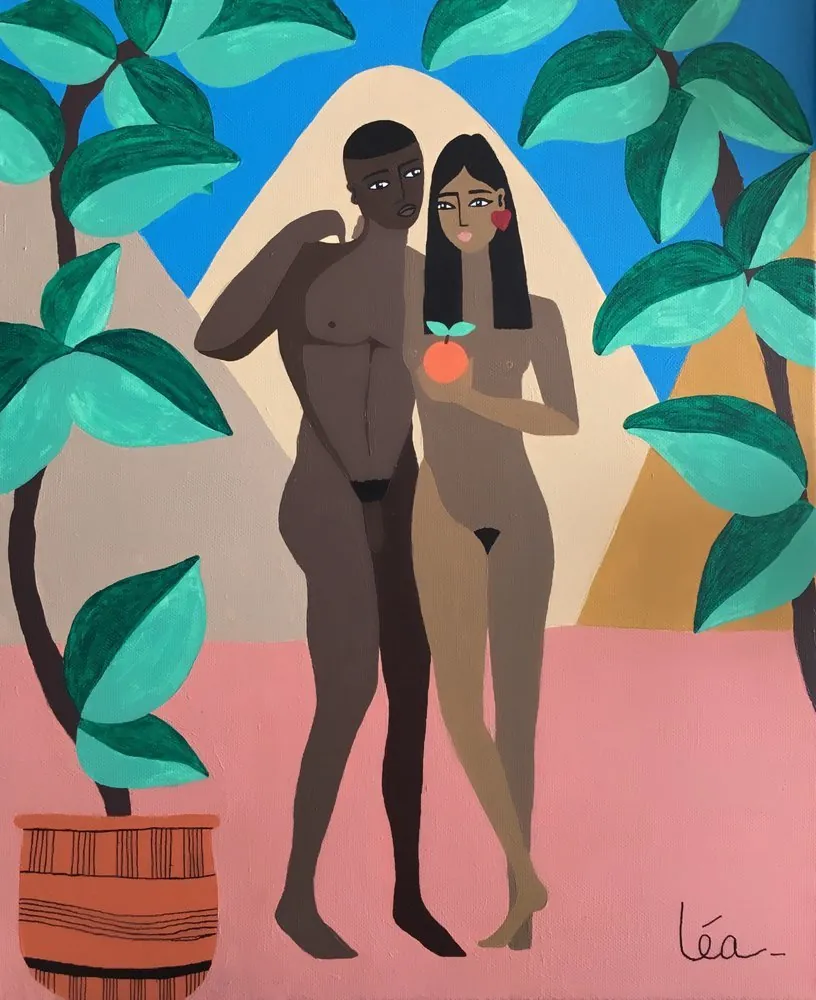
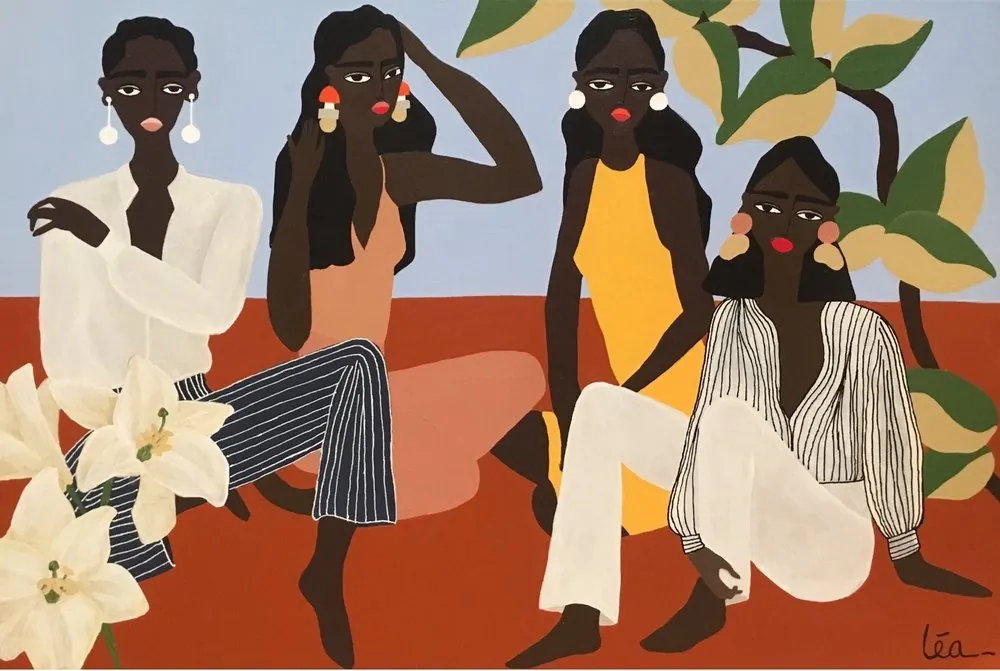
Images courtesy of Léa Augereau
Léa’s roots in the seaside town of La Rochelle are never far from her mind. The calm beauty of the coast lingers in her art, grounding her with an understated tranquility. But it’s the vibrancy and energy of Parisian life that also pulses through her work, injecting it with urgency and dynamism. This juxtaposition of serenity and vitality creates an electrifying tension, a reflection of the contradictions inherent in the modern woman.
“In France, we’re often lagging behind on many social issues,” Léa notes, her words laced with quiet frustration. “That urgency drives me to push forward, to create change in whatever way I can, even when it feels like an uphill battle.”
In many ways, Léa embodies the very qualities she paints. A woman who has carved her own path, she’s not only an accomplished painter but also a designer with her own fashion label. This transition wasn’t a calculated career move but a natural evolution of her creative passions. For Léa, art and fashion are intertwined, both expressions of her belief in individuality and freedom.
“After a few years working in fashion production, I began experimenting with integrating my painting into clothing,” she explains. “It felt like a beautiful way to merge my two worlds, creating art that could be worn and experienced in everyday life.”
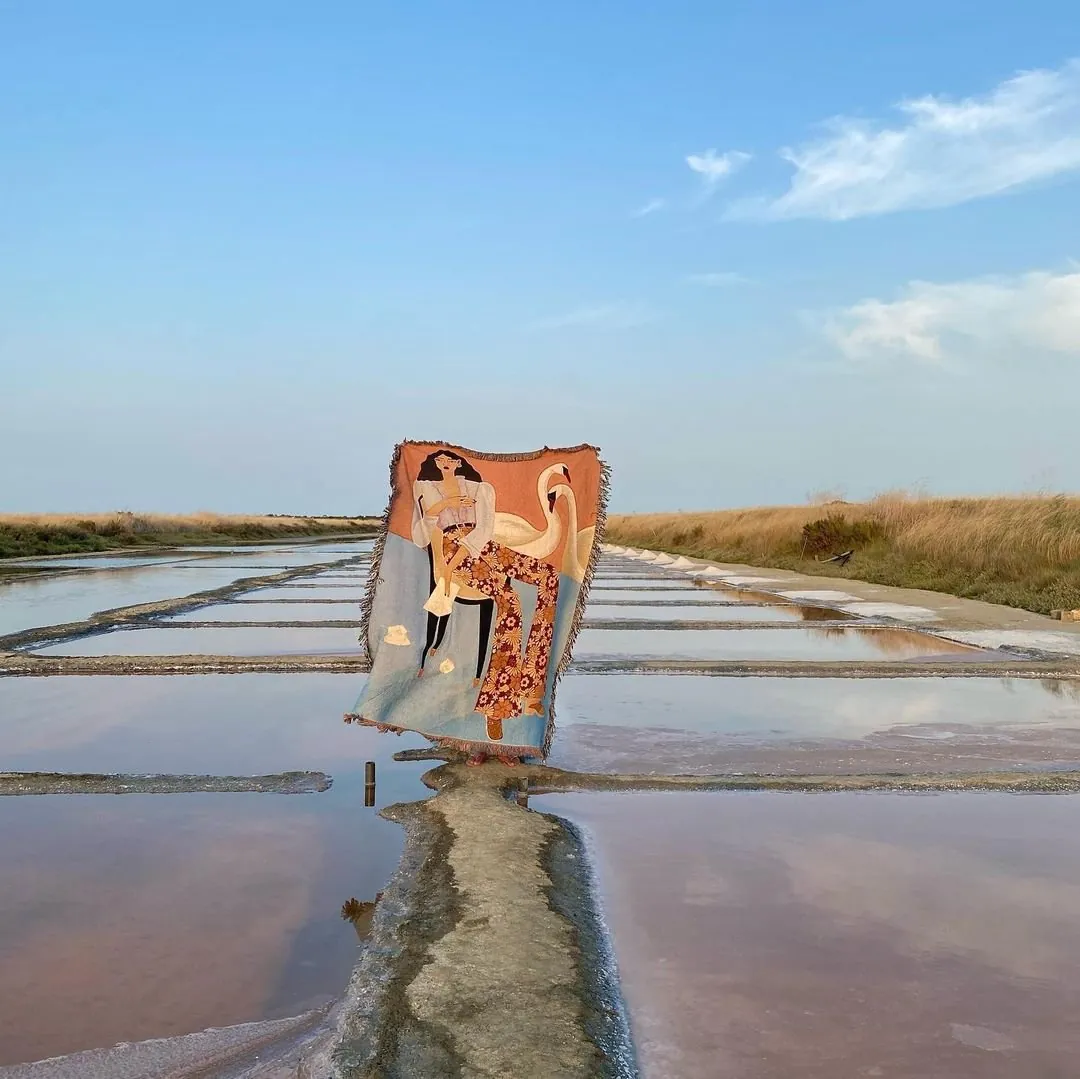
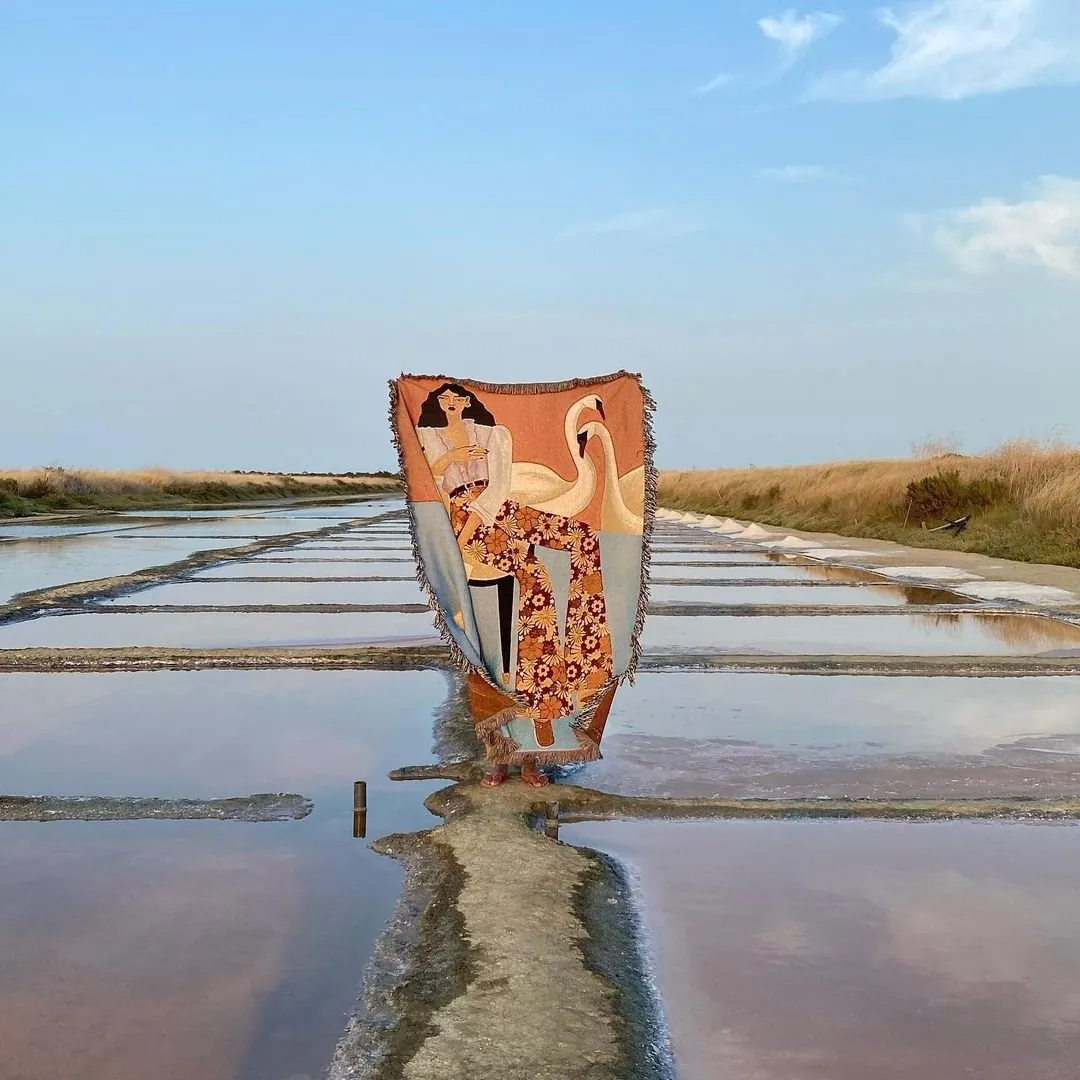
Images courtesy of Léa Augereau
Recently, Léa has expanded her creative reach even further, bringing her visual expressions to blankets, where her bold imagery meets function in an entirely new form. Each piece, whether on canvas or fabric, is a testament to her unique vision of the modern woman: unapologetically confident, fiercely independent, and unbound by the limitations society places on her.
Léa Augereau doesn’t just capture the essence of the modern woman. She embodies it. Through her art, she invites us to see a world where women are free to define their own narratives, break boundaries, and shape their futures.
From the LYFSTYL original series - “In Focus”.
Words by Braeden Alexander.
Photography Léa Augereau.