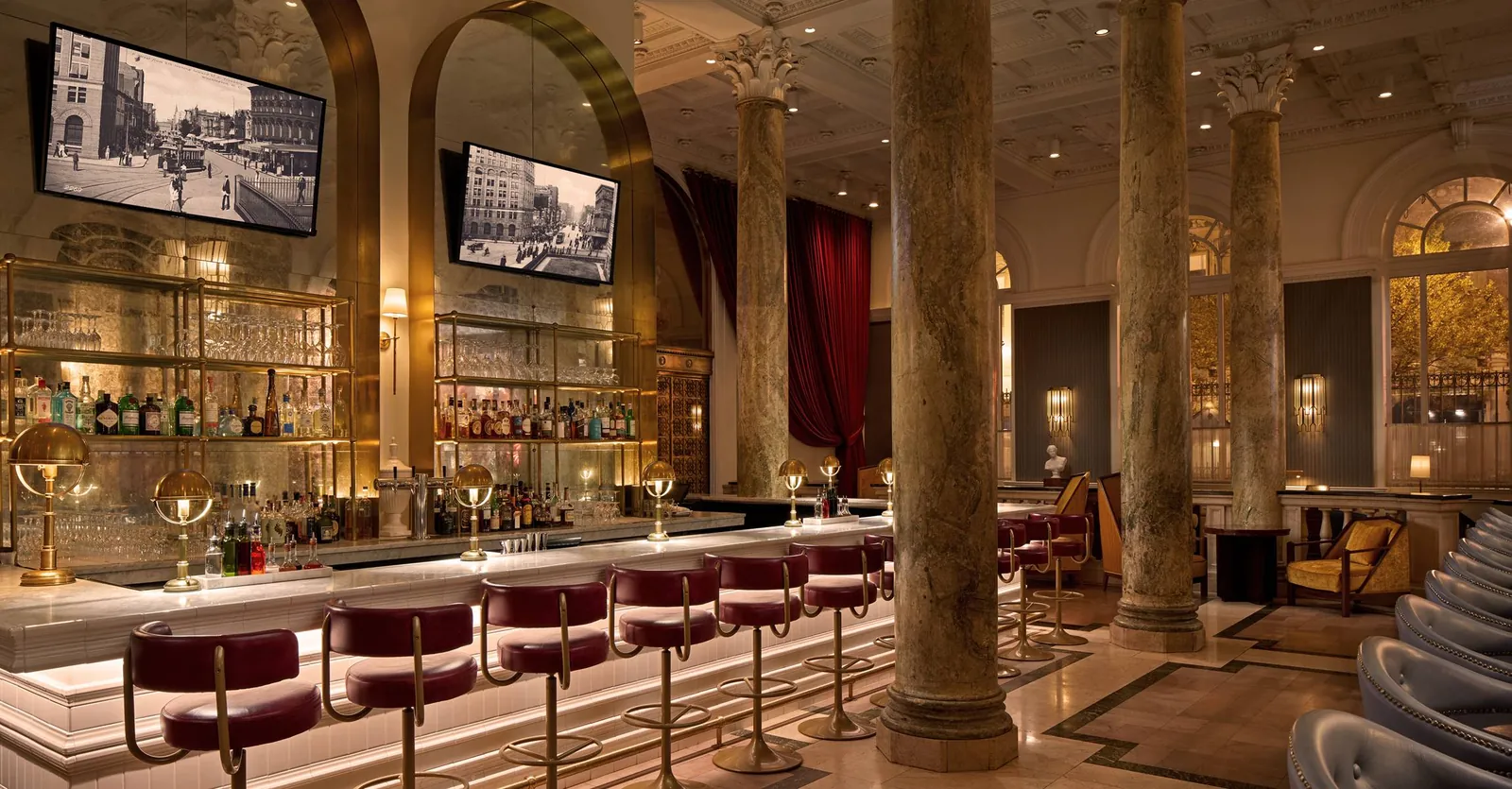
In Penn Quarter, the Romanesque bank that once kept the accounts of presidents has become one of the capital’s most considered hotels.
Washington wears its history in stone. The Washington Monument rises over the Mall and Lincoln keeps watch from his marble chair. The city rarely lets you forget who came before.
What it hasn’t always offered is much fun. For a long time the capital’s nightlife matched its day job: early to bed and a little buttoned up.
That has been changing. The craft breweries and taco counters arrived first, and now the hotels are catching up. One of the most persuasive arguments for a new Washington sits in Penn Quarter, across the street from the Smithsonian’s National Portrait Gallery, inside a bank that once called itself “the most important bank in the most important city in the world.”
The boast was not idle. Riggs National Bank, whose Romanesque Revival headquarters went up in 1891, kept the accounts of presidents from Lincoln and Grant to Eisenhower and Nixon. Washington still knows it by its nickname, the Bank of Presidents. Today the building is Riggs Washington DC, a hotel from Lore Group, the company behind the Pulitzer in Amsterdam and Sea Containers in London.
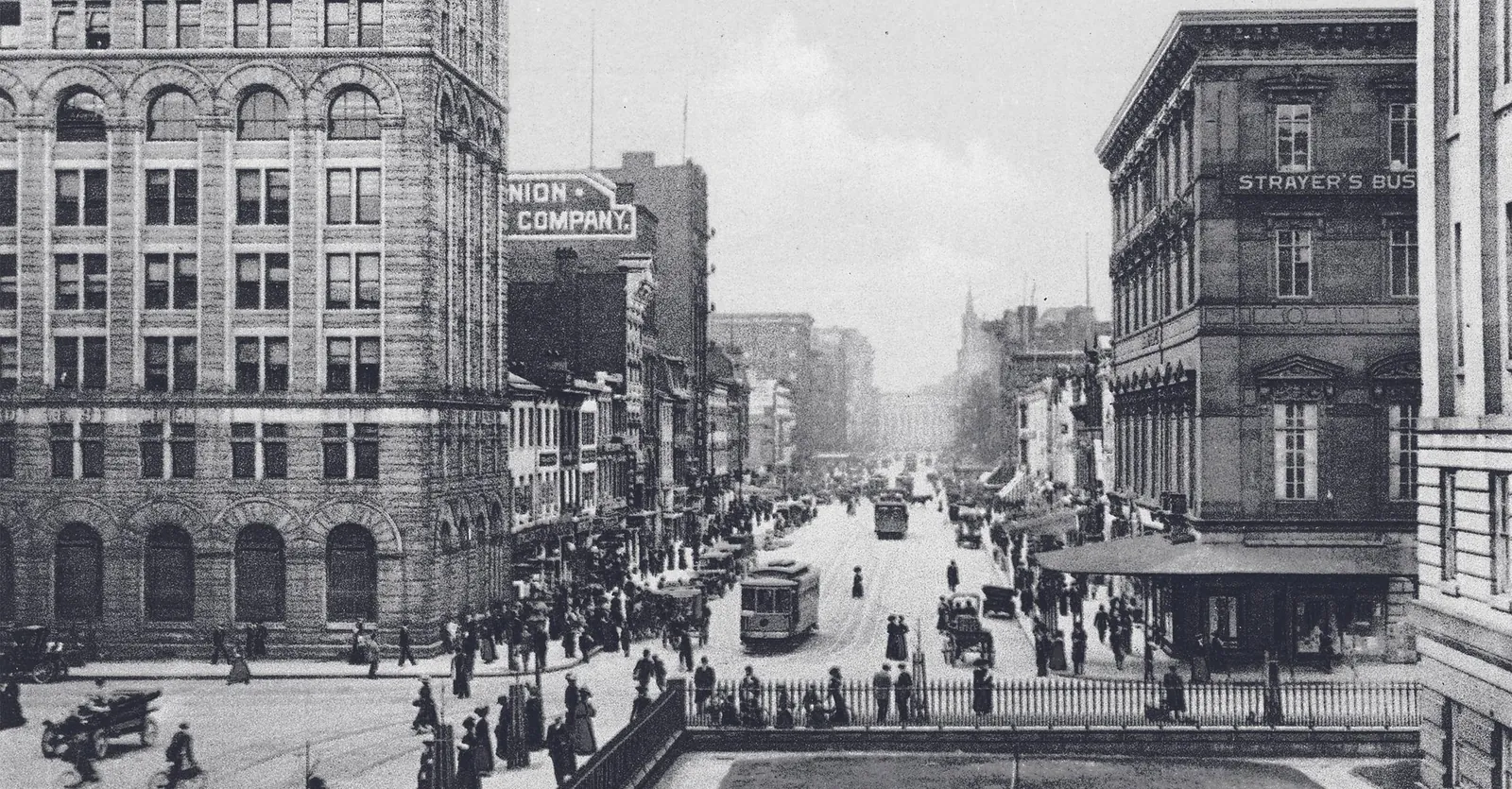
“It’s the history of the building as Riggs National Bank that’s most important,” says Jacu Strauss, Lore Group’s architect and creative director, who led the redesign. “The name Riggs alone resonates broadly in the city and Riggs National Bank is still remembered for its role as the ‘Bank of Presidents’ during the golden age of banking.”
The bank itself is gone, absorbed into PNC in 2005. The building outlasted it. Its heavy stone and deep arches still hold the corner with the confidence of an institution that expected to last forever, and Strauss treated them that way. “We were able to give it the love and care it needed to come back to life,” he says. “It was important to us as much as it was obvious to us that the building was special not just for its beautiful bones, but its heritage too.”
We also wanted to do this without creating a museum or doing something too gimmicky.
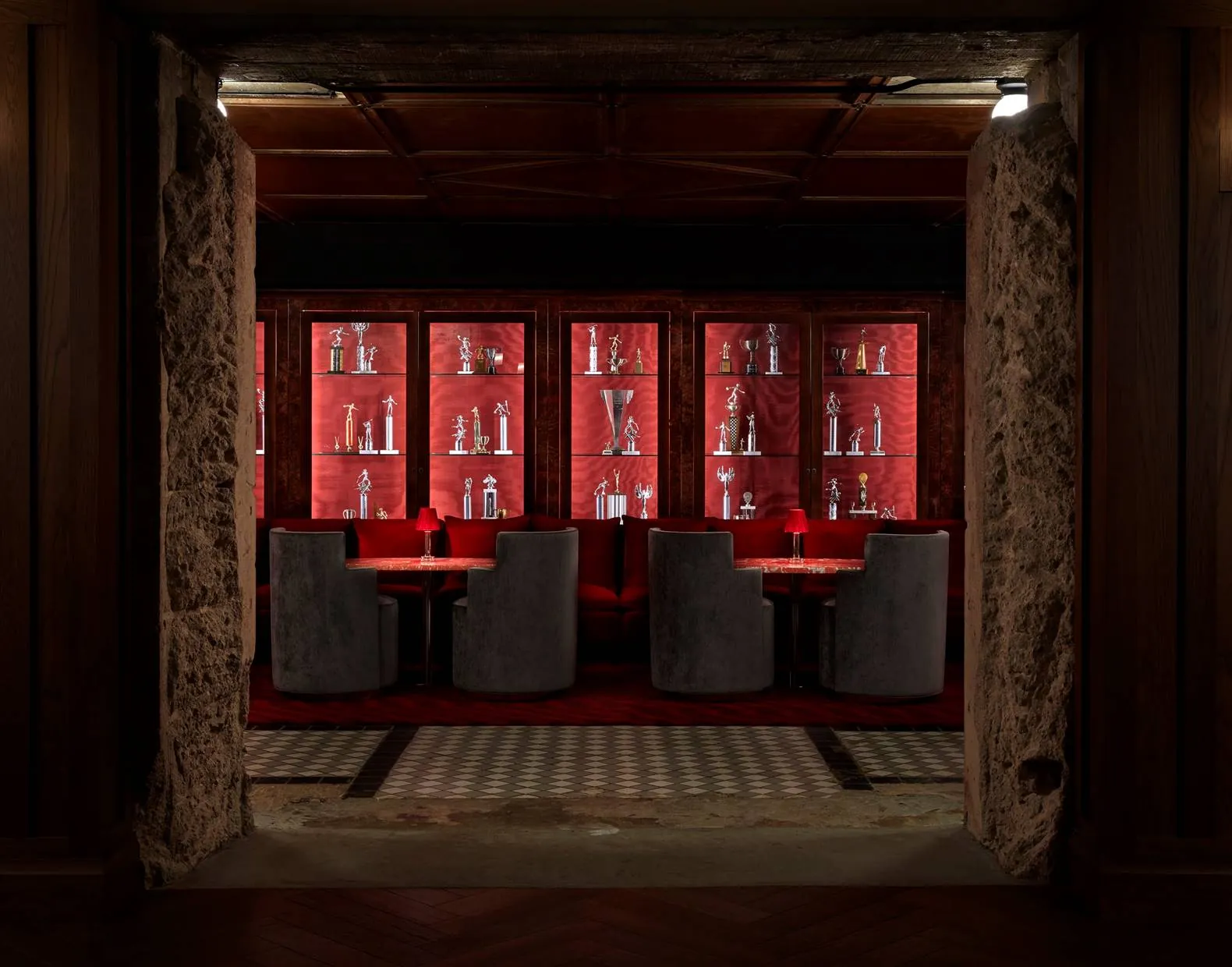
The restoration turned up surprises. “We uncovered some elements that became a little challenging,” Strauss says, “but on the other hand some were pleasant, like the discovery of the original vault in the basement which is now a trophy cabinet room in the bar Silver Lyan.”
Silver Lyan is overseen by Ryan Chetiyawardana, the London bartender better known as Mr Lyan. Its cocktails are poured a few steps from where the bank once kept its money.
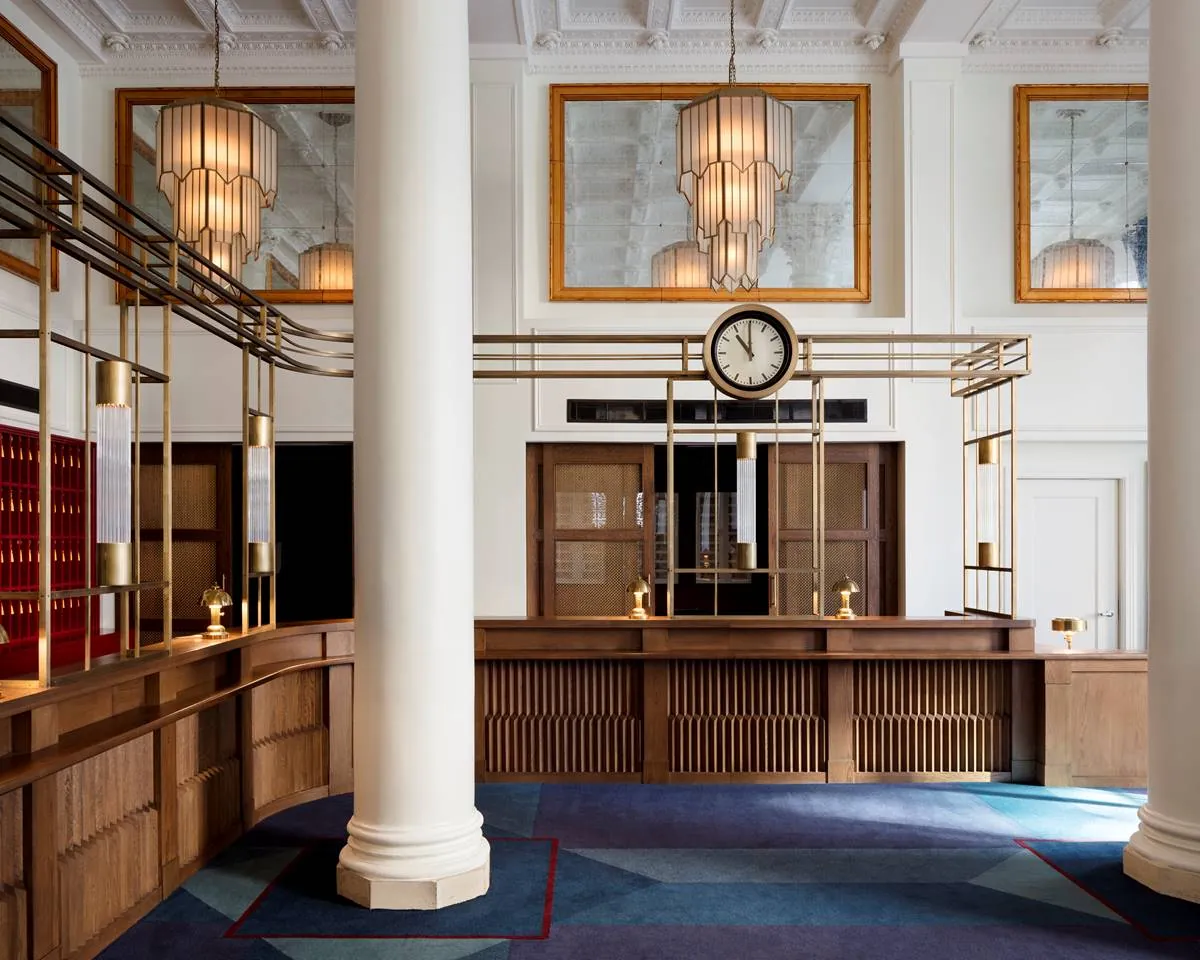
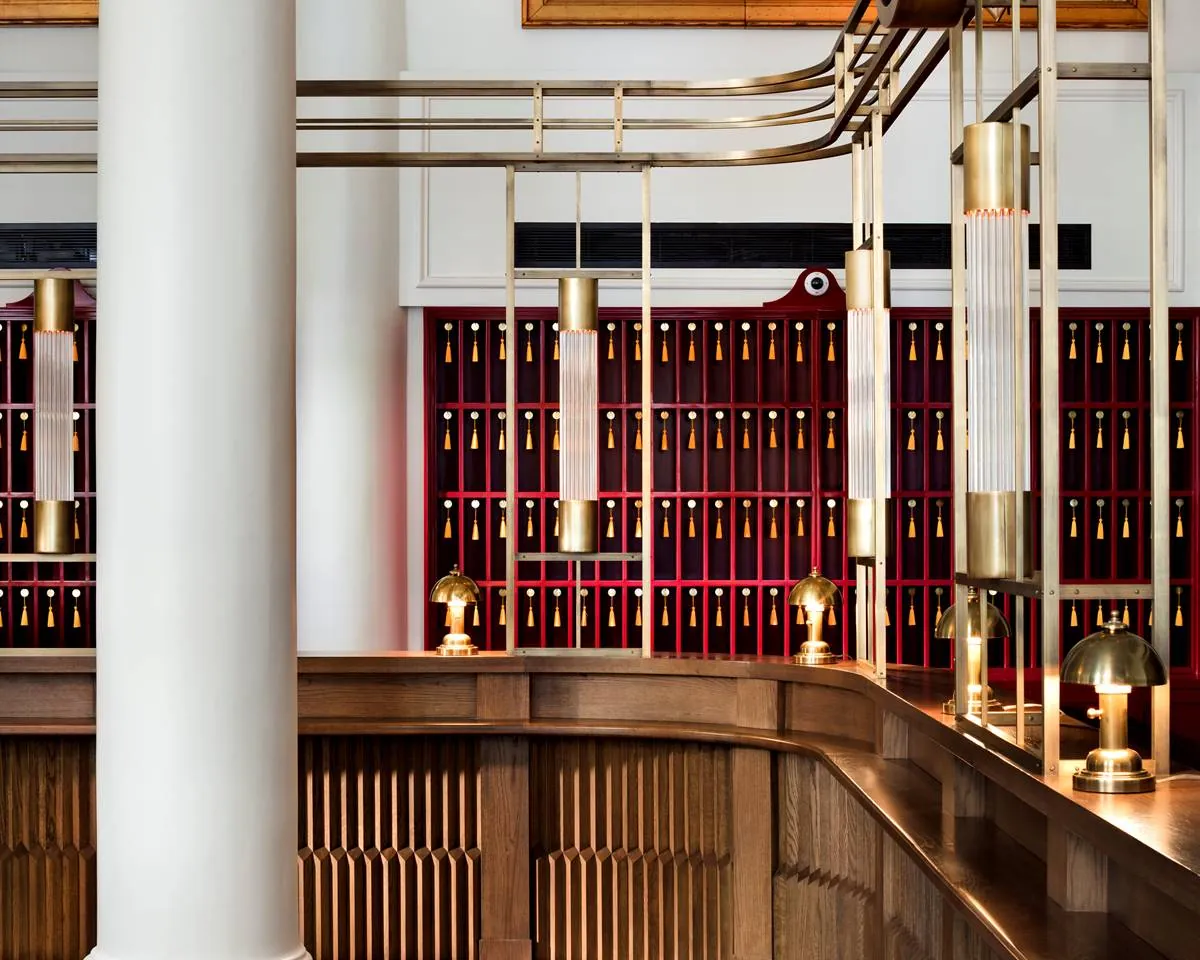
Upstairs, the reception desk is the bank’s old teller counter. Guests check in where depositors once queued.
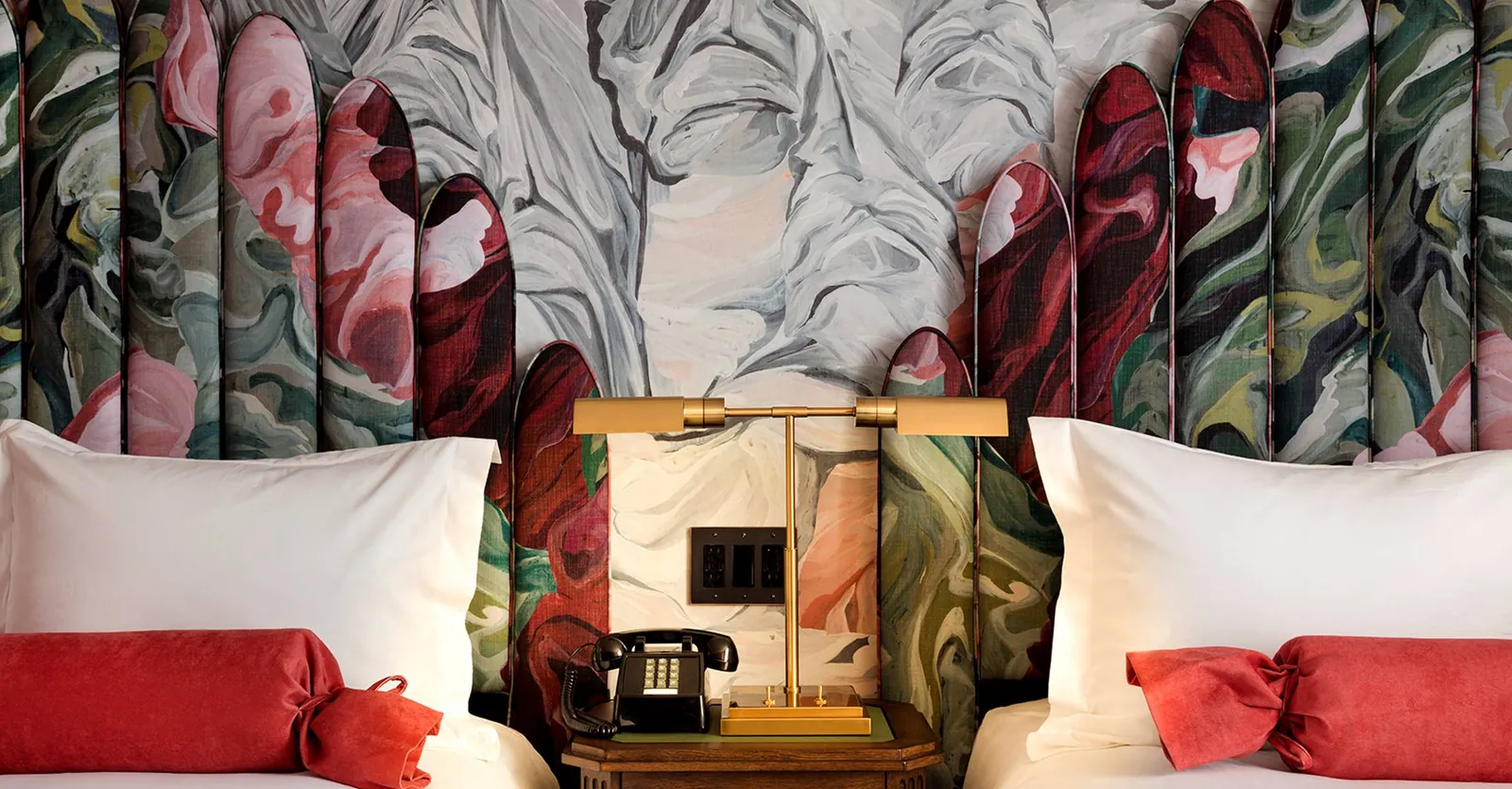
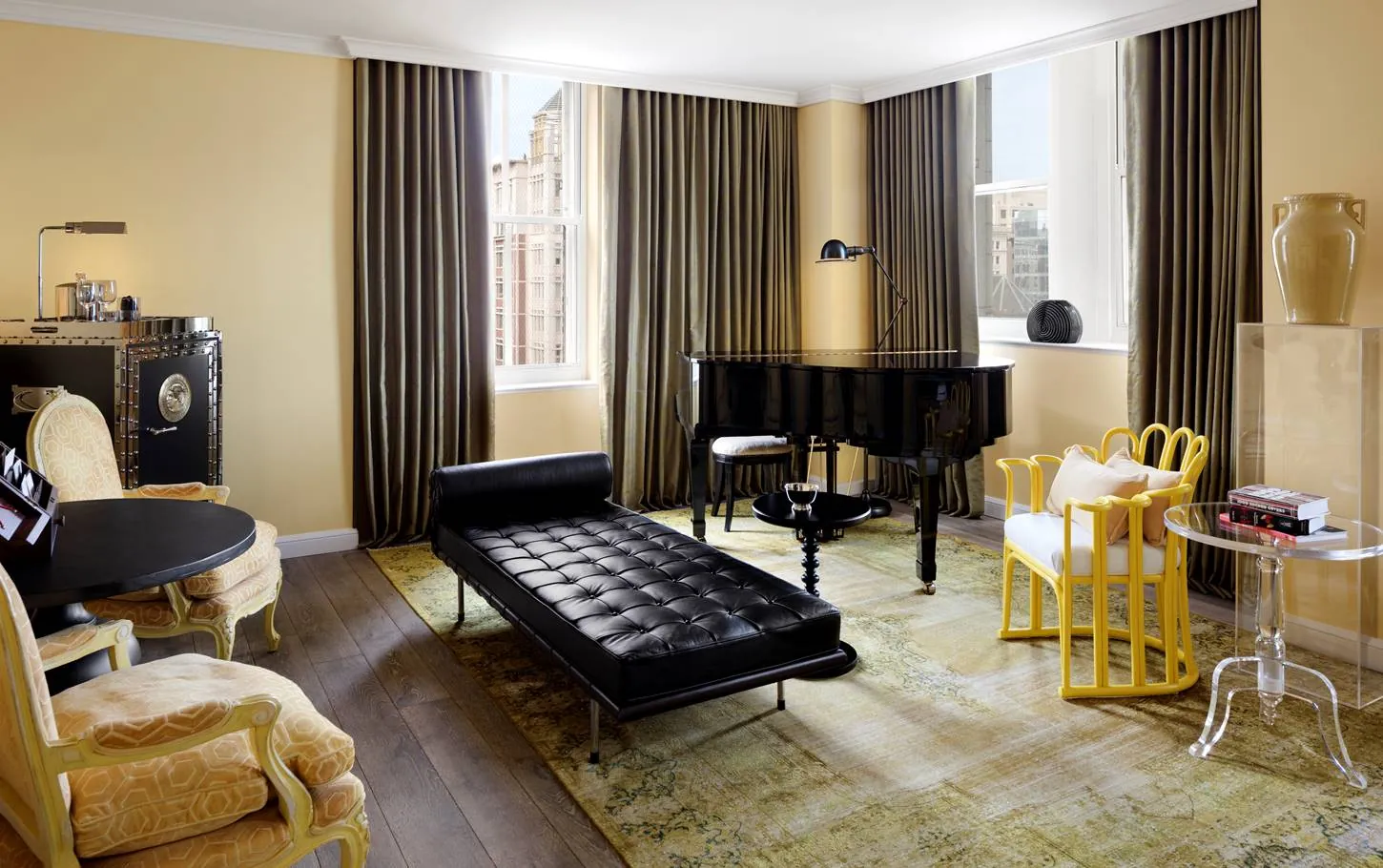
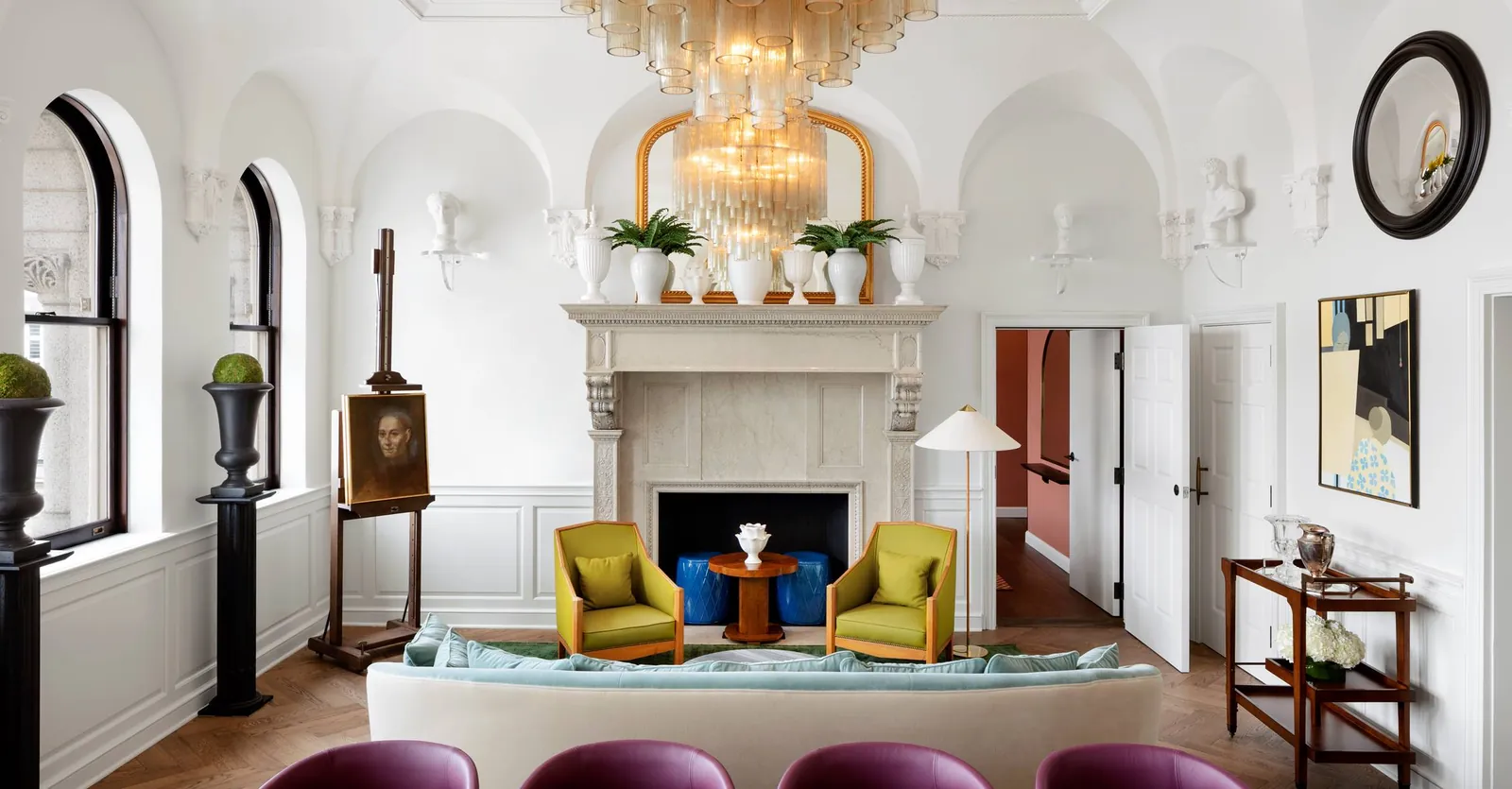
The rooms are where the design gets personal. Four First Lady suites are each built around a woman who rarely makes the history books. One takes its cue from Ida McKinley’s love of nature. Another draws on Caroline Harrison’s collection of porcelain. Louisa Adams has one too. Strauss designed each of them himself.
The other rooms lean on deep blue, burnt orange and opal. “We wanted to bring back this nostalgia where possible, as much of it was lost or hidden over the years, and celebrate the grandeur that was put on display, and with some secret details here and there,” Strauss says. “We also wanted to do this without creating a museum or doing something too gimmicky.”
Images courtesy of Riggs Washington DC
The newest part of the old bank is on the roof. A terrace and event space now look out over Penn Quarter, a view the public never had in all the decades the building spent guarding other people’s money.
Washington is a city of monuments, places you admire from a respectful distance. Riggs invites you closer. You can order a drink in the old vault, then fall asleep in a suite named for a first lady most people have forgotten. In a city built on its past, it’s a rare chance to spend the night inside it.
Words by Sam Farrell. Images courtesy of Riggs Washington DC.